
Diatomaceous Earth for Squash Pest Control: 2024 Proven Safe Gardening Guide
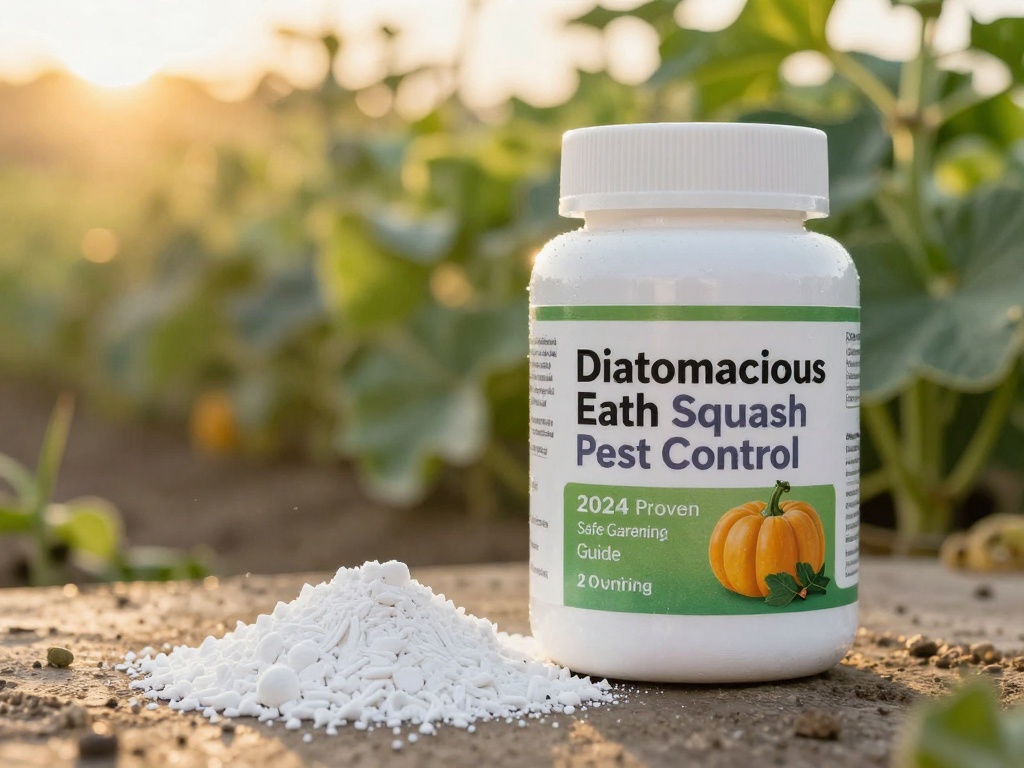
Diatomaceous Earth for Squash Pest Control: 2024 Proven Safe Gardening Guide
Squash growers face persistent threats from common pests like squash bugs, vine borers, and cucumber beetles that can wipe out up to 60% of an annual harvest, per 2023 USDA crop data. Diatomaceous earth for squash pest control is a natural, non-toxic solution that avoids the harmful chemical residues common in synthetic pesticides. This organic powder works by damaging pests’ waxy exoskeletons, leading to dehydration and death without harming most beneficial organisms when applied correctly.
What Makes Diatomaceous Earth Effective for Squash Pests?
How It Targets Harmful Squash Pests
Only food-grade diatomaceous earth (DE) is safe for use on edible crops. Unlike pool-grade DE, which is heat-processed to contain toxic crystalline silica, food-grade DE is made of amorphous silica, approved for organic agricultural use by the EPA. It works exclusively on direct contact with crawling pests, so it does not leave long-lasting harmful residues in soil or on produce.
Common Squash Pests It Eliminates
This powder targets all the most prevalent squash pests that threaten home and small-scale commercial gardens. It kills crawling pests including adult and nymph squash bugs, cucumber beetles, aphids, and newly hatched vine borer larvae before they can burrow into squash stems. It is not effective against pests that only fly, nor does it impact large, warm-blooded animals like pets or humans.
Step-by-Step Guide to Applying Diatomaceous Earth for Squash Pest Control
Source Only Certified Food-Grade DE
Always verify that the diatomaceous earth you purchase is labeled for food and organic garden use. Avoid cheap, unlabeled DE products that may be repurposed pool grade, which poses respiratory risks to humans and pets. A 5-pound bag of food-grade DE costs roughly $15 and lasts an entire growing season for most 1,000-square-foot home gardens.
Time Applications to Protect Pollinators
DE only works when dry, so apply it in late morning after dew has evaporated, but before peak midday pollinator activity in most squash-growing regions. This allows the fine dust to settle on plant surfaces before bees and other pollinators visit open blossoms. Never apply DE before forecasted rain, as irrigation or rainfall will render the powder ineffective immediately.
Use Correct Application Techniques
Apply a thin, translucent dust of DE to the base of squash vines, the lower 6 inches of plant stems, and the undersides of the lowest set of leaves. Never dust open squash blossoms, as this is the primary spot pollinators interact with the plant. Reapply DE every 7 to 10 days if pest pressure is high, or within 24 hours of any rain or overhead irrigation.
Common Mistakes That Reduce DE’s Effectiveness
Applying DE to Wet Foliage
Wet DE loses its ability to abrade pest exoskeletons, so it cannot kill pests until it dries completely. Applying DE to damp leaves wastes product and leaves your squash vulnerable to pest damage for days. Always wait for foliage to be completely dry before dusting.
Dusting Open Blossoms
Dusting DE directly on squash blossoms can harm visiting bees, butterflies, and other essential pollinators. Without these pollinators, squash plants cannot produce fruit, leading to lower yields even if you successfully repel pests. Restricting applications to lower plant parts avoids this costly error.
Frequently Asked Questions
Is diatomaceous earth safe for all varieties of squash?
Yes, food-grade diatomaceous earth is non-phytotoxic, meaning it will not damage plant tissue. It works safely for all common squash varieties, including zucchini, butternut, acorn, spaghetti, and pumpkin, when applied according to best practices.
How long does it take for DE to kill squash pests?
Most crawling squash pests like squash bugs and cucumber beetles die within 48 hours of coming into contact with dry diatomaceous earth. The powder abrades their waxy outer layer, leading to fatal dehydration that cannot be reversed.
Can I use DE alongside other organic pest control methods?
Absolutely. DE pairs well with neem oil, floating row covers, and marigold companion planting to create a comprehensive organic pest management plan for your squash garden. Just avoid applying wet products like neem oil at the exact same time as DE, as moisture will render the powder ineffective until it dries fully.
No comments