
Asparagus Bed Mulching for Winter Protection: 2024’s Proven Step-by-Step Guide
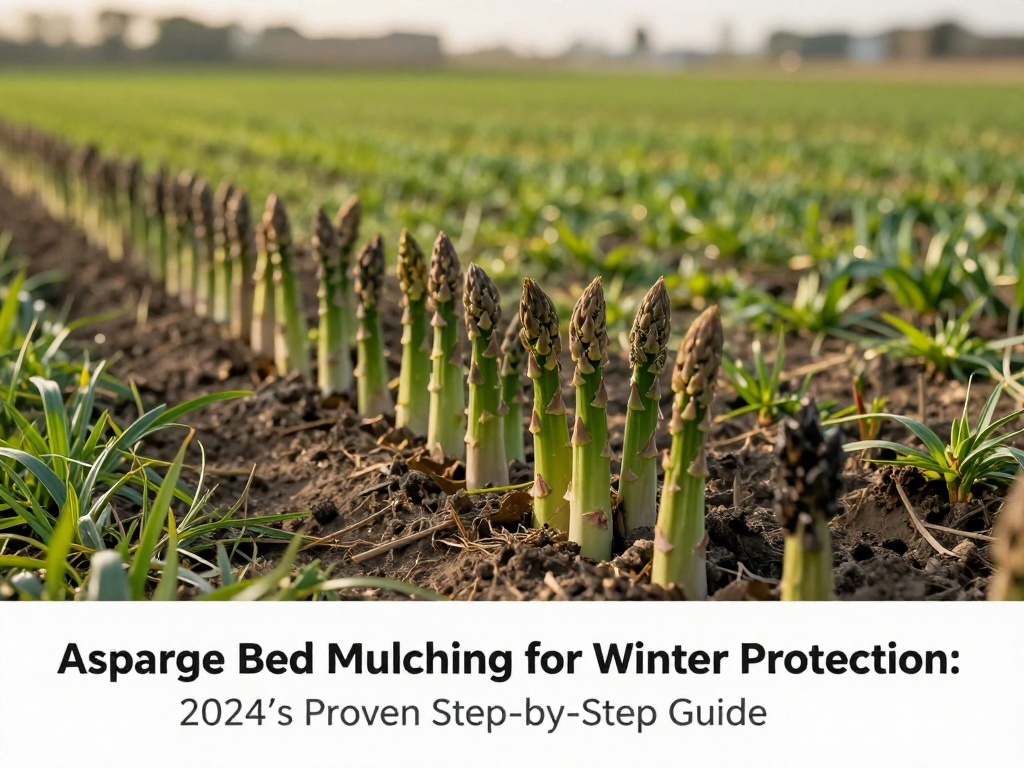
Asparagus Bed Mulching for Winter Protection: 2024’s Proven Step-by-Step Guide
Asparagus is a long-lived perennial crop, producing spears for 10-15 years if cared for properly, and asparagus bed mulching for winter protection is one of the most critical steps to extend its lifespan and maximize annual yields. Even hardy asparagus crowns can suffer damage from repeated freeze-thaw cycles, root desiccation, and pest infestations over the cold months, making a well-executed mulch routine non-negotiable for home gardeners and commercial small-scale growers alike. The USDA reports that unprotected asparagus beds see a 20-30% drop in spear production the following spring, compared to beds that receive proper winter mulching.
Why Winter Mulching Is Non-Negotiable for Asparagus Beds
Prevents Lethal Crown Freeze-Thaw Damage
Asparagus crowns sit just 6-12 inches below the soil surface, making them vulnerable to heaving, a process where repeated freezing and thawing pushes roots up out of the soil. This exposes crowns to cold air and drying winds, often killing them before spring. A 4-6 inch layer of mulch insulates the soil, keeping temperatures stable even when air temperatures drop well below freezing.
Suppresses Overwintering Pests and Weeds
Winter mulch blocks pest insects like asparagus beetles, which lay eggs in plant debris left on top of beds over the cold season, from accessing your crowns to reproduce. It also suppresses winter annual weeds that would steal nutrients from your asparagus roots as soon as temperatures warm up in early spring. A 2023 study from the University of Illinois Extension found that mulched asparagus beds had 75% fewer asparagus beetle outbreaks the following growing season.
Locks in Soil Moisture and Adds Long-Term Nutrients
Organic mulches break down slowly over the winter, adding valuable organic matter to your soil that improves drainage and feeds beneficial soil microbes. They also prevent wind evaporation that can dry out asparagus roots, which remain active through mild winter spells, leading to stunted spears in spring. This slow decomposition eliminates the need for frequent soil amendments in early spring, saving growers time and money.
Step-by-Step Guide to Asparagus Bed Mulching for Winter Protection
1. Cut Back Foliage After the First Hard Frost
Wait until your asparagus ferns turn completely brown after the first hard frost (typically 26-28°F for 3+ consecutive hours) before cutting them back to 2-3 inches above the soil line. Leave the ferns up any earlier, and you risk spreading fungal spores that can overwinter in debris. Dispose of any diseased ferns in the trash, not your compost pile, to avoid contaminating future soil amendments.
2. Clear All Excess Debris From the Bed Surface
Rake up any fallen leaves, dead stems, or leftover plant matter from the top of your asparagus bed before adding new mulch. Leaving old debris creates a moist, insulated environment that fosters rot and pest infestations, undoing the core benefits of your new winter mulch layer. This step only takes 10-15 minutes for a standard 10x4 foot asparagus bed, and it pays off with much healthier spring growth.
3. Apply a 4-6 Inch Layer of Approved Organic Mulch
Not all mulches work for asparagus winter protection. Stick to organic, well-draining options like straw, shredded hardwood leaves, pine straw, or composted wood chips. Avoid fresh hay, which often contains invasive weed seeds, and plastic mulch, which can trap excess moisture and lead to crown rot. Spread your chosen mulch evenly across the entire bed, making sure not to pile it thickly against remaining stem bases, which can cause rot.
4. Remove Excess Mulch Early in Spring As Temperatures Warm
Don’t leave your full winter mulch layer on the asparagus bed all spring. As soon as the soil thaws and you see small spear tips starting to emerge, rake back half of the mulch layer to let the soil warm up faster. Leave the remaining mulch in place to suppress weeds and retain moisture through the growing season. Removing excess mulch early prevents spears from becoming stunted or discolored as they grow.
Frequently Asked Questions
What is the best mulch for asparagus bed winter protection?
The top organic mulches for asparagus winter protection are clean straw, shredded hardwood leaves, and pine straw. These materials insulate soil, drain excess moisture, and break down slowly to add nutrients. Avoid fresh hay, plastic, and uncomposted wood chips, which can cause weed infestations or crown rot.
Can I use grass clippings to mulch my asparagus bed for winter?
Fresh grass clippings are not recommended for winter asparagus mulch, as they compact tightly as they decompose, trapping excess moisture around crowns and leading to rot. If you want to use grass clippings, compost them for 3-6 months first, then mix them with straw before applying a thin layer.
How late can I apply winter mulch to my asparagus bed?
For optimal protection, apply winter mulch within two weeks of your area’s first hard frost. If you miss that window, you can still add mulch any time before the ground stays permanently frozen, though you may see slightly reduced protection against freeze-thaw damage.
No comments