
2024 Complete Guide: Sun Hemp Cover Crop for Sandy Soil Fertility
2024 Complete Guide: Sun Hemp Cover Crop for Sandy Soil Fertility
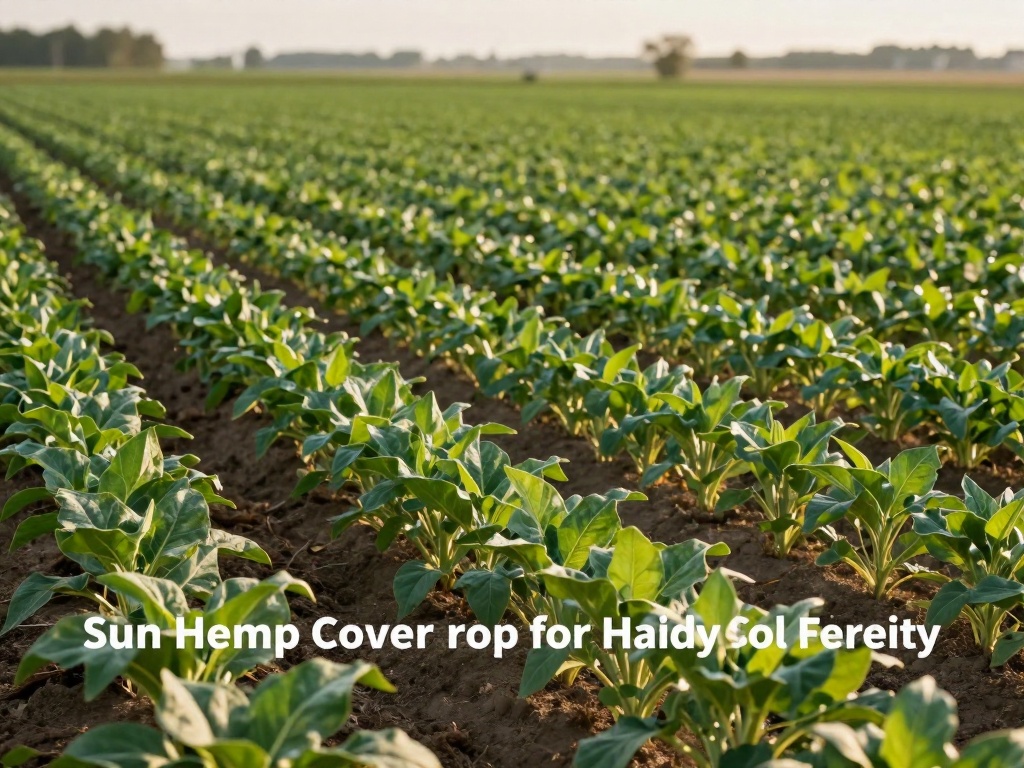
If you manage farmland or garden plots with sandy soil, you know its core flaws: low nutrient retention, poor water-holding capacity, and high erosion risk. The sun hemp cover crop for sandy soil fertility is a proven, natural solution to reverse these issues, backed by leading university agricultural extension research. Sun hemp (Crotalaria juncea) is a fast-growing tropical legume that outperforms many common cover crops in low-quality sandy soils.
Why Sandy Soil Needs Specialized Cover Crops
Sandy soil is made up of large, coarse particles that leave wide gaps between soil aggregates. This structure makes it nearly impossible for synthetic or organic fertilizers to stay in the root zone long enough for cash crops to absorb them. A 2023 study from the University of Florida found that unamended sandy soils lose 60% more nitrogen and 45% more organic matter than loam soils within a single growing season.
Traditional cover crops like white clover or annual ryegrass often struggle to establish deep, stabilizing roots in loose sandy soil, leaving the top layer vulnerable to wind and water erosion. Sun hemp’s unique growth traits fill these gaps, making it a purpose-built option for long-term sandy soil management.
Key Benefits of Sun Hemp for Sandy Soil Fertility
Rapid Biomass Production to Suppress Erosion
Sun hemp grows up to 6 feet tall in just 60 days, producing a thick, leafy canopy that shields sandy topsoil from wind and heavy rain. Its taproot can extend 3 feet deep, binding loose sandy particles together to reduce runoff by up to 75%, per a 2024 study from the University of Georgia Cooperative Extension. This canopy also blocks weeds that would otherwise outcompete young cash crops in low-nutrient sandy soil.
Natural Nitrogen Fixation to Boost Nutrient Levels
As a legume, sun hemp forms symbiotic relationships with rhizobium bacteria in its root nodules that convert atmospheric nitrogen into a form accessible to plants. It can fix up to 120 pounds of nitrogen per acre, eliminating the need for synthetic nitrogen inputs for subsequent cash crops like corn or leafy greens. For sandy soils that leach nitrogen quickly, this steady release of fixed nitrogen from terminated sun hemp biomass is a game-changer for long-term fertility.
Improved Water Retention in Sandy Soils
Sun hemp’s decomposing biomass adds critical organic matter to sandy soil, increasing its water-holding capacity by up to 40% within one growing cycle, per the University of Florida’s soil science department. This added organic matter also creates space for beneficial soil microbes to colonize, further breaking down nutrients and improving soil structure over time.
How to Plant and Terminate Sun Hemp for Maximum Results
To get the most out of your sun hemp cover crop, plant it after your last spring frost date, when soil temperatures reach at least 65°F. Broadcast 20 to 30 pounds of seed per acre, or 1 to 2 pounds per 1,000 square feet for small garden plots, and rake it into 1 inch of soil. Sun hemp requires minimal irrigation after establishment, making it ideal for drought-prone sandy soil regions.
Terminate sun hemp 3 to 4 weeks before planting your cash crop, once it reaches early flowering (when nitrogen levels peak). You can mow, roll, or till the biomass into the top 6 inches of soil to let it decompose and release nutrients for your upcoming crop.
Frequently Asked Questions
Is sun hemp safe to plant around livestock or pets?
Raw, growing sun hemp contains low levels of pyrrolizidine alkaloids that are toxic to horses, cattle, and pets if consumed in large quantities. Always terminate sun hemp before it goes to seed and avoid grazing livestock on fields with actively growing sun hemp. Decomposed, terminated sun hemp biomass is completely safe for all soil and crop uses.
Can I grow sun hemp in northern climates with short growing seasons?
Sun hemp requires warm temperatures to thrive, but northern growers can plant short-season sun hemp varieties (which mature in 45 days) in mid-summer after harvesting early spring cash crops like peas. You can also grow sun hemp in garden plots and terminate it before the first fall frost to add organic matter to sandy soil in small-scale growing spaces.
How long does it take for sun hemp to improve sandy soil fertility?
Most growers see measurable improvements in soil organic matter and nutrient levels within one full growing cycle of sun hemp. For severely degraded sandy soil, planting sun hemp for two consecutive growing seasons can boost soil fertility enough to support heavy-feeding cash crops like tomatoes or corn without additional synthetic inputs.
No comments