
Drip Irrigation Scheduling for Backyard Tomatoes: 2024 5-Step Guide
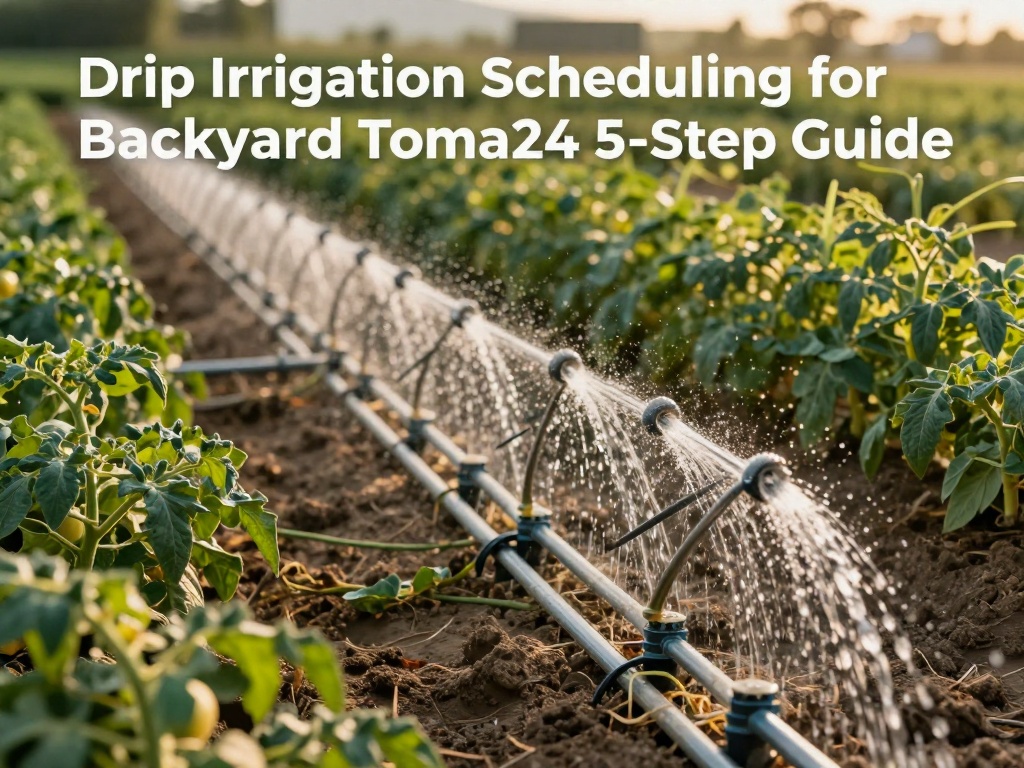
Drip Irrigation Scheduling for Backyard Tomatoes: 2024 5-Step Guide
Drip irrigation scheduling for backyard tomatoes is one of the most impactful ways to support healthy growth, avoid overwatering-related root rot, and cut garden water usage by up to 50% compared to traditional sprinkler systems, per USDA data. Backyard tomato growers often struggle to balance consistent moisture, especially during hot summer months when topsoil dries out in as little as 24 hours. A structured schedule eliminates guesswork and delivers water directly to the root zone where tomatoes need it most.
Why Proper Scheduling Matters for Tomato Health
Reduces Risk of Common Tomato Diseases
Irregular watering or overhead moisture leads to early blight, septoria leaf spot, and blossom end rot, which ruin up to 30% of backyard tomato crops annually, per University of Minnesota Extension data. Consistent drip scheduling keeps foliage dry and supports steady calcium uptake, preventing these costly, common issues.
Cuts Water and Time Investments
Drip systems paired with a timed schedule use 40-60% less water than sprinklers, according to the USDA Natural Resources Conservation Service (NRCS). You’ll also save 2+ hours a week that you’d otherwise spend hand-watering your tomato bed, freeing up time for other garden tasks.
Boosts Overall Yield and Fruit Quality
Tomatoes with consistent soil moisture produce 20-25% larger fruit and a 15% larger total harvest than plants with erratic watering, per a 2023 Ohio State University Extension study. A reliable drip schedule ensures plants never face drought stress or oversaturation that can split ripening fruit or stunt growth.
Your 5-Step Drip Irrigation Scheduling Framework
Step 1: Test Your Soil’s Water-Holding Capacity
Sandy soil drains water in 1-2 days, loamy soil holds moisture for 2-3 days, and clay soil can stay wet for up to 4 days. Test your soil by sticking a screwdriver 6 inches deep; if it pulls out dry, it’s time to water. For tomatoes, aim to keep the top 12 inches of soil consistently moist but never soggy.
Step 2: Adjust Scheduling for Tomato Growth Stages
Young transplant seedlings need 0.5-1 gallon of water per plant every 2 days for the first 2 weeks post-planting. Once plants start flowering, increase to 1-1.5 gallons daily. During fruit development, bump up to 2 gallons per plant every 1-2 days to support ripening.
Step 3: Account for Local Climate and Temperatures
Growers in USDA hardiness zones 8-10, where summer temperatures regularly top 90°F, need to water 30% more frequently than growers in cooler zones 5-7. Add a rain sensor to your system to skip watering after 0.5 inches or more of natural rainfall to avoid overwatering.
Step 4: Automate with Smart Timers for Consistency
A basic $30 smart drip timer lets you set custom run times and adjust for seasonal changes without manual input. Many models connect to local weather apps that automatically update schedules based on forecasts, eliminating the need for constant manual adjustments.
Step 5: Monitor and Adjust Your Schedule Biweekly
Every two weeks, check soil moisture and inspect plants for signs of over or under watering. Curling leaves or blossom end rot signal you need to adjust your schedule’s frequency or volume to match your plants’ changing needs.
Following this simple framework takes the guesswork out of growing backyard tomatoes, and the small investment in a timer and soil testing pays off with a larger, healthier harvest each season. Even beginner gardeners can implement these steps in a single weekend, with long-term benefits for both your plants and your water bills.
Frequently Asked Questions
How often should I run drip irrigation for backyard tomatoes?
Most backyard growers run their drip system for 15-30 minutes 2-3 times a week, depending on their soil type and local temperatures. Adjust run times to deliver the correct volume of water per plant, rather than sticking to a rigid one-size-fits-all schedule.
Can I overwater tomatoes with a drip irrigation system?
Yes, overwatering is still possible if your schedule is misaligned with your soil’s needs. Soggy soil leads to root rot, which can kill an entire tomato plant in as little as 10 days. Always test soil moisture before increasing your system’s run time or frequency.
What is the best time of day to run my tomato drip system?
Early morning, between 4 AM and 8 AM, is the ideal time to run your drip system. Watering in the morning ensures plants have enough moisture to withstand midday heat, and any minor surface moisture evaporates quickly, reducing the risk of fungal disease.
No comments