
2024 Guide to Alfalfa Seeding Rate for Dryland Pastures: 5 Pro Tips
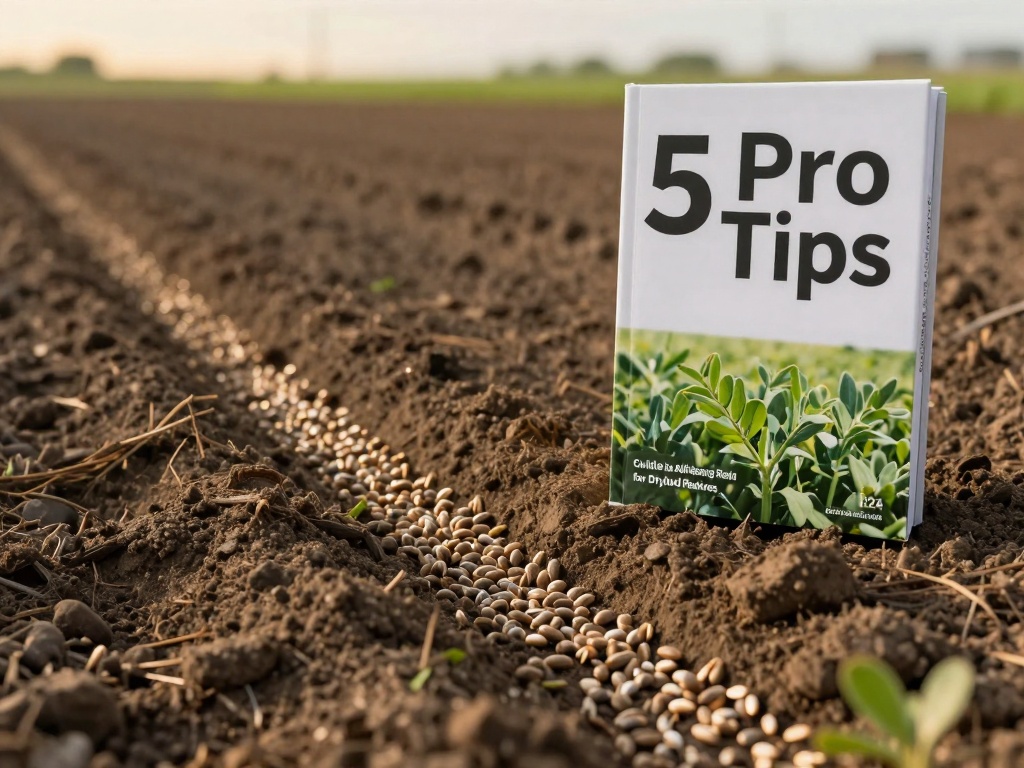
2024 Guide to Alfalfa Seeding Rate for Dryland Pastures: 5 Pro Tips
Getting the right alfalfa seeding rate for dryland pastures is one of the most impactful decisions you can make to sustain long-term pasture productivity, especially in regions with less than 20 inches of annual rainfall. Unlike irrigated alfalfa, dryland stands rely solely on natural precipitation, so over-seeding or under-seeding can lead to wasted resources, weed invasion, or stand failure within 2-3 years. Data from the University of Nebraska-Lincoln (UNL) Extension shows that properly calibrated seeding rates extend dryland alfalfa stand life by an average of 4 years.
Why Seeding Rate Matters for Dryland Alfalfa Success
Dryland environments have limited soil moisture, so alfalfa plants must compete for every drop of water available to grow deep roots and produce reliable forage. Over-seeding leads to too many plants vying for the same resources, stunting growth and making stands vulnerable to severe drought stress in mid-summer. Under-seeding, on the other hand, leaves gaps that invasive weeds like cheatgrass or musk thistle can quickly colonize, reducing forage quality and long-term yield.
Key Environmental Factors That Shape Your Seeding Rate
No universal seeding rate works for all dryland regions, so you’ll need to adjust your numbers based on three core local conditions: annual rainfall, soil type, and seeding method. Loamy, well-drained soils that hold consistent moisture support slightly higher seeding rates than sandy or heavy clay soils that drain too fast or retain excess water. UNL Extension data notes that locations with 16-18 inches of annual rainfall require 30% lower seeding rates than areas that consistently get 18-20 inches of annual rainfall.
Recommended Alfalfa Seeding Rates for Common Dryland Scenarios
Pure Alfalfa Stands
For pure dryland alfalfa stands in regions with 18-20 inches of annual rainfall, the optimal seeding rate is 10-12 pounds of pure live seed (PLS) per acre. If your area gets less than 18 inches of annual rainfall, drop that rate to 6-8 pounds PLS per acre to avoid fatal overcrowding. Pure stands work well for producers focused on high-protein forage for beef cattle or lactating dairy cows.
Alfalfa-Grass Mix Stands
Most dryland pasture producers benefit from mixing alfalfa with compatible grasses like smooth bromegrass or crested wheatgrass to reduce erosion and extend stand life. For mixed stands, seed alfalfa at 4-6 pounds PLS per acre, paired with 8-10 pounds of grass PLS per acre. This combination balances moisture use between the deep-rooted alfalfa and shallow-rooted grass, per USDA Natural Resources Conservation Service (NRCS) guidelines.
No-Till Seeding Adjustments
If you’re no-till seeding alfalfa into existing pasture stubble, add 10-15% to your base seeding rate to account for lower germination rates from uneven seed-to-soil contact. No-till is a popular water-conserving practice for drylands, but it requires a small seeding rate adjustment to achieve the target plant stand of 10-15 alfalfa plants per square foot at first harvest.
5 Pro Tips to Maximize Your Dryland Alfalfa Stand
- Calculate seeding rates using PLS only: Never use bulk seed weight to plan your seeding rate. Always adjust for pure live seed, which accounts for germination rates and inert matter, to avoid under-seeding your pasture.
- Seed no deeper than ½ inch: Plant alfalfa shallow to ensure seedlings can emerge before topsoil moisture evaporates. Deep planting is the top cause of spotty dryland alfalfa stands, per Wyoming Extension research.
- Use dormant seeding for semi-arid regions: If you farm in areas with less than 14 inches of annual rainfall, seed alfalfa in late fall to let cold stratification and winter moisture trigger germination in early spring. Dormant seeding reduces seedling mortality by 30%.
- Choose drought-tolerant alfalfa varieties: Skip high-yield alfalfa cultivars that require extra moisture, and opt for drought-bred varieties like ‘WL 355HQ’ or ‘Hybriforce 400’ that are adapted to dryland conditions.
- Interseed to extend stand life: If your 3-year-old stand has dropped below 8 plants per square foot, interseed 2 pounds of alfalfa PLS per acre to boost productivity without full reseeding.
Frequently Asked Questions
Can I use the same alfalfa seeding rate for irrigated and dryland pastures?
No. Irrigated alfalfa seeding rates are typically 15-20 pounds PLS per acre, nearly double the top rate for dryland stands. Irrigated fields have consistent moisture to support more plants, so dryland rates are always lower to avoid fatal moisture competition.
How many alfalfa plants per square foot count as a successful dryland stand?
A productive dryland alfalfa stand should have 8-15 alfalfa plants per square foot after the first full growing season. Stands with fewer than 5 plants per square foot will require interseeding or reseeding within 2 years to maintain consistent forage output.
When is the best time to seed alfalfa in dryland regions?
For most U.S. Great Plains dryland regions, late summer (mid-August to early September) is the optimal seeding window, as it lets seedlings establish before winter and use early spring moisture the following year. Dormant late-fall seeding works for semi-arid regions with extremely low annual rainfall.
No comments