
2024 Guide to Raspberry Trellising for Backyard Gardens: 7 Proven Tips
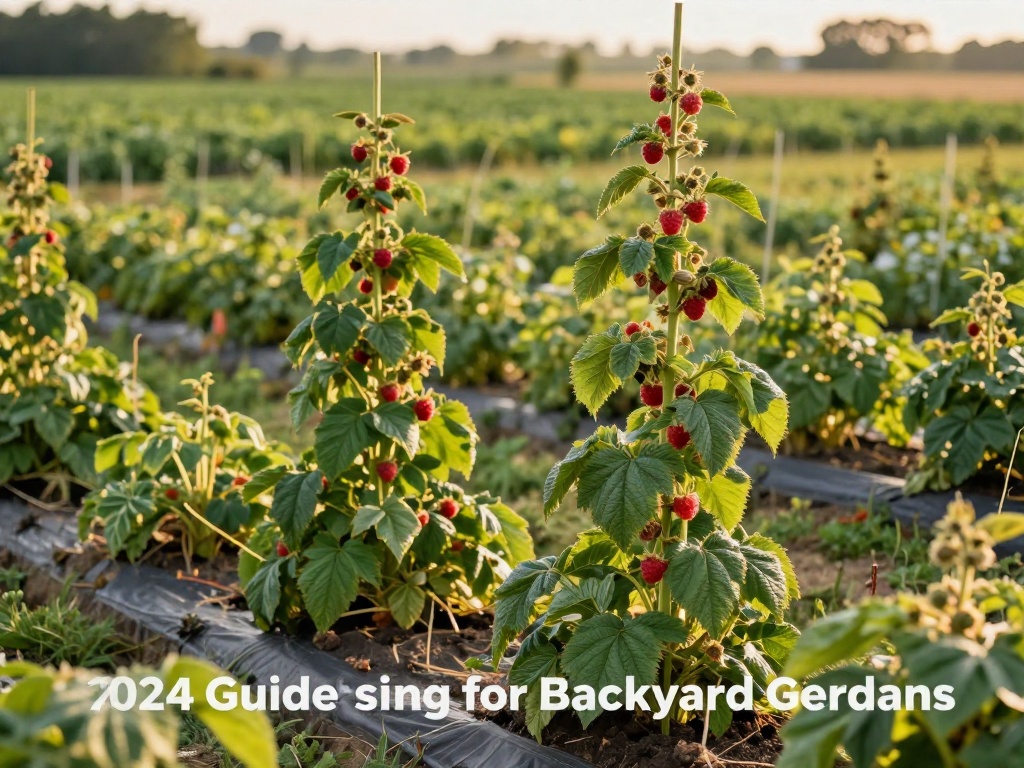
2024 Guide to Raspberry Trellising for Backyard Gardens: 7 Proven Tips
Raspberry trellising for backyard gardens is a game-changing practice that turns unruly raspberry patches into productive, easy-to-manage spaces. Backyard gardeners often struggle with raspberry canes that sprawl across walkways, get damaged by wind, or develop mold from poor air circulation. A well-built trellis solves all these common issues while boosting your total harvest by up to 30%, per data from the University of Minnesota Extension.
Why Trellis Raspberries in Your Backyard Garden?
Boosts Air Circulation and Reduces Disease
Wet, trapped foliage is the leading cause of common raspberry diseases like powdery mildew and botrytis blight. A trellis lifts canes off the ground, allowing sun and wind to dry foliage quickly after rain or morning dew. The University of Illinois Extension reports that trellised raspberries have 40% fewer fungal disease instances than untrellised patches.
Simplifies Harvesting and Maintenance
Bending over to pick berries from sprawling canes leads to missed fruit and sore backs. Trellised canes hold fruit at eye to waist level, making it easy to spot and pick every ripe raspberry. Pruning, weeding, and pest checks also become far less labor-intensive when canes are organized and off the ground.
Prevents Cane Damage from Wind and Weight
Mature raspberry canes heavy with fruit or hit by strong summer storms can snap or uproot. Trellises provide structural support, extending the lifespan of your raspberry patch by 2-3 years, per Oregon State University Extension. This added support also keeps fruit clean, preventing rot from contact with damp soil.
Top Trellis Systems for Backyard Raspberry Patches
Single-Wire Trellis (Best for Beginners)
This low-cost, easy-to-build system is ideal for small backyard patches with 5-10 raspberry plants. Install two 8-foot wooden or metal posts 10-15 feet apart, burying 2 feet of each post in the ground for stability. Run a single heavy-gauge wire at 5-6 feet high between the posts. Tie new canes to the wire as they grow, spacing them 6 inches apart to maintain airflow. This system costs less than $20 to build and works for both summer-bearing and ever-bearing varieties.
Cross-Arm T-Trellis (Best for High Yields)
If you have a larger patch or want maximum productivity, the T-trellis is the top choice. Install 8-foot posts 20 feet apart, then add a 2-foot wide crossbar at the top of each post to form a T. Run two wires, one at each end of the crossbar. Tie new summer canes to one wire, and last year's fruiting canes to the other. This separation makes pruning and harvesting far more organized, and it can support up to 20 raspberry plants per trellis section.
Cattle Panel Trellis (Best for Low Maintenance)
For gardeners who want a permanent, no-fuss trellis, repurpose a 16-foot livestock cattle panel. Place two 7-foot posts on each end of the panel, burying 2 feet, then secure the panel to the posts so it stands upright. Weave raspberry canes through the panel's grid as they grow. This system requires no annual tying, can support heavy fruit loads, and lasts 10+ years with minimal upkeep.
Step-by-Step Installation Tips
Plan your trellis location first: raspberries need 6+ hours of full sun daily, so place your trellis in an unobstructed spot. Leave 3 feet of space around the trellis for easy walking and maintenance. Install posts in early spring, before new canes emerge to avoid damaging young growth. Add concrete around post bases if you have loose, sandy soil to prevent tipping. Prune out weak or dead canes before tying them to the trellis to keep your patch uncluttered. Check wire tension mid-season to ensure it can support the weight of ripening fruit. These 7 simple steps will set your trellis up for long-term success.
Frequently Asked Questions About Raspberry Trellising for Backyard Gardens
When is the best time to install a raspberry trellis?
The ideal time to install a trellis is early spring, before new canes emerge from the ground. If you have an existing mature patch, you can install a trellis in late winter after you’ve pruned back old canes, avoiding damage to new season growth.
Do I need a trellis for ever-bearing raspberries?
Yes, ever-bearing raspberries benefit from trellising just as much as summer-bearing varieties. Ever-bearing canes grow quickly and produce two heavy fruit loads per season, so a trellis prevents cane snapping and improves airflow to reduce disease risk.
How much does a backyard raspberry trellis cost to build?
Beginner single-wire trellises cost as little as $15 to build, while larger T-trellises or cattle panel trellises cost $50-$100. Most trellises last 10+ years, making them a low-cost, high-return investment that pays for itself in increased annual harvests.
No comments