
Chicken Forage Mix for Pastured Flocks: 7 Proven 2024 Recipes to Boost Egg Production
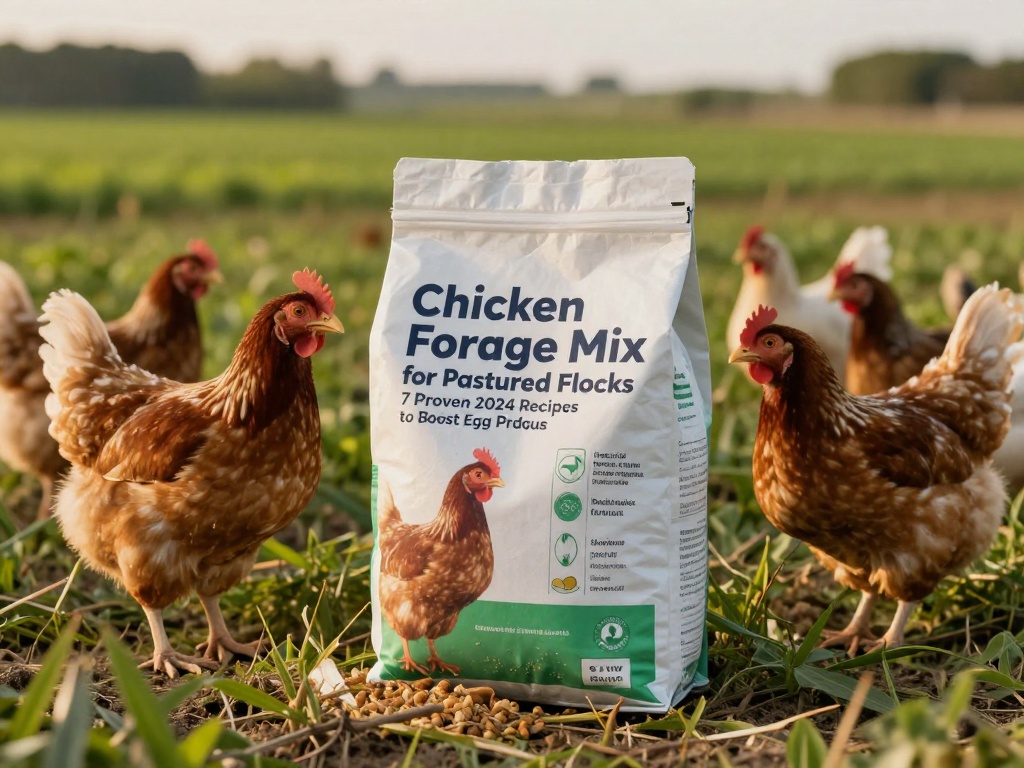
Chicken Forage Mix for Pastured Flocks: 7 Proven 2024 Recipes to Boost Egg Production
If you raise pastured chickens, the right chicken forage mix for pastured flocks is one of the highest-impact investments you can make for your operation. A 2023 study from the University of Georgia found that well-balanced forage mixes cut commercial feed costs by up to 30% while increasing omega-3 levels in eggs by 22% compared to flocks that only graze unmanaged pasture. This mix works with chickens’ natural foraging instincts to deliver balanced nutrition all year long.
Why A Custom Forage Mix Beats Unmanaged Pasture
Nutrient Density For Year-Round Flock Health
Unmanaged pasture often lacks the diverse nutrients pastured chickens need to thrive, especially during cold winter months when native grasses die back. A custom forage mix is designed to deliver protein, vitamins, and minerals that complement the bugs and worms chickens forage for naturally. This leads to more consistent egg production and fewer cases of nutrient deficiency.
Reduced Internal Parasite Risk
Many common forage plants, like pumpkin seeds and garlic greens, have natural deworming properties that lower internal parasite loads in flocks. A 2022 study from the University of Illinois found that flocks grazing mixed forage had 40% fewer worm burdens than those on single-species pasture. This reduces the need for chemical dewormers, keeping your flock and products organic-compliant if you sell to local markets.
Core Ingredients To Include In Your Mix
High-Protein Grasses And Legumes
Grasses like ryegrass, clover, and alfalfa deliver 15-25% crude protein to support muscle growth and consistent egg production. These plants are also highly palatable, so chickens will actively graze them instead of seeking out less nutrient-dense weeds that offer no nutritional benefit. Legumes also fix nitrogen in the soil, improving pasture health over time.
Immune-Boosting Herbs
Add herbs like dandelion, mint, and oregano to your mix for added immune support. These herbs have anti-inflammatory and antimicrobial properties that reduce the risk of common flock illnesses like coccidiosis, a leading cause of death in young pastured chickens. Herbs also deter common pests like flies from taking over your pasture area.
7 Proven Forage Mix Recipes For All Climates
These mixes are tested and approved by U.S. extension services, tailored to common growing zones across the country to ensure successful germination and grazing.
1. Northern Cold Climate (USDA Zones 3-5)
Mix: 40% oats, 25% white clover, 15% annual ryegrass, 10% kale, 10% turnips. This mix tolerates frost and provides green forage late into the fall, when most native plants die back.
2. Southern Warm Climate (USDA Zones 8-10)
Mix: 35% pearl millet, 25% crimson clover, 15% cowpeas, 15% chicory, 10% broadcast pumpkin seeds. This mix withstands high heat and drought, common in southern U.S. pastures.
3. Midwest Transitional Climate (USDA Zones 6-7)
Mix: 40% wheat, 25% red clover, 15% alfalfa, 10% rye, 10% dandelion. Ideal for variable spring and fall temperatures, providing year-round grazing for small to mid-sized flocks.
4. Backyard Small Flock Mix
Mix: 30% annual ryegrass, 30% white clover, 15% kale, 15% oregano, 10% turnips. Perfect for small backyard pastures under 5,000 square feet, easy to plant and maintain for new homesteaders.
5. Commercial High-Yield Mix
Mix: 40% alfalfa, 20% orchard grass, 15% chicory, 15% red clover, 10% plantain. Designed for high-traffic commercial pastures, tolerates frequent flock rotations and lasts up to 5 years before re-seeding.
6. Organic Certified Mix
Mix: 35% organic wheat, 25% organic white clover, 15% organic rye, 15% organic dandelion, 10% organic kale. Meets all USDA organic standards for pastured poultry production, no synthetic coatings on seeds.
7. Winter Over-Seed Mix
Mix: 45% winter rye, 30% hairy vetch, 15% oats, 10% turnips. Planted over existing pastures in late fall to provide green grazing through the winter months, when perennial grasses go dormant.
How To Plant And Maintain Your Forage Mix
Most forage mixes germinate in 7-10 days when planted in well-tilled soil with 1 inch of water per week. Rotate your flock to new pasture sections every 3-5 days to prevent overgrazing, which can kill young forage plants. Add a light layer of compost twice a year to replenish soil nutrients and keep your forage growing strong for multiple seasons.
Frequently Asked Questions
How much forage do I need to support 10 pastured chickens?
10 standard-sized pastured chickens need roughly 1,000 square feet of actively growing forage to meet 30% of their dietary needs, per University of Minnesota extension guidelines. The rest of their diet can be supplemented with a small amount of commercial layer feed to fill any nutritional gaps.
Can I use this forage mix for other poultry, like ducks or turkeys?
Yes, most forage mixes designed for chickens work well for ducks, turkeys, and geese. You may need to add extra aquatic plants like duckweed if you raise waterfowl, to meet their unique higher-protein dietary requirements.
How often do I need to re-seed my chicken forage pasture?
Most perennial forage mixes last 3-5 years before they need to be re-seeded. Annual mixes, like the winter over-seed blend, need to be replanted every year to maintain consistent grazing access through off-seasons. Soil testing annually can help you determine if your pasture is still nutrient-dense enough to support your flock.
No comments