
Mustard Cover Crop for Nematode Suppression: 2024 Proven Grower’s Guide
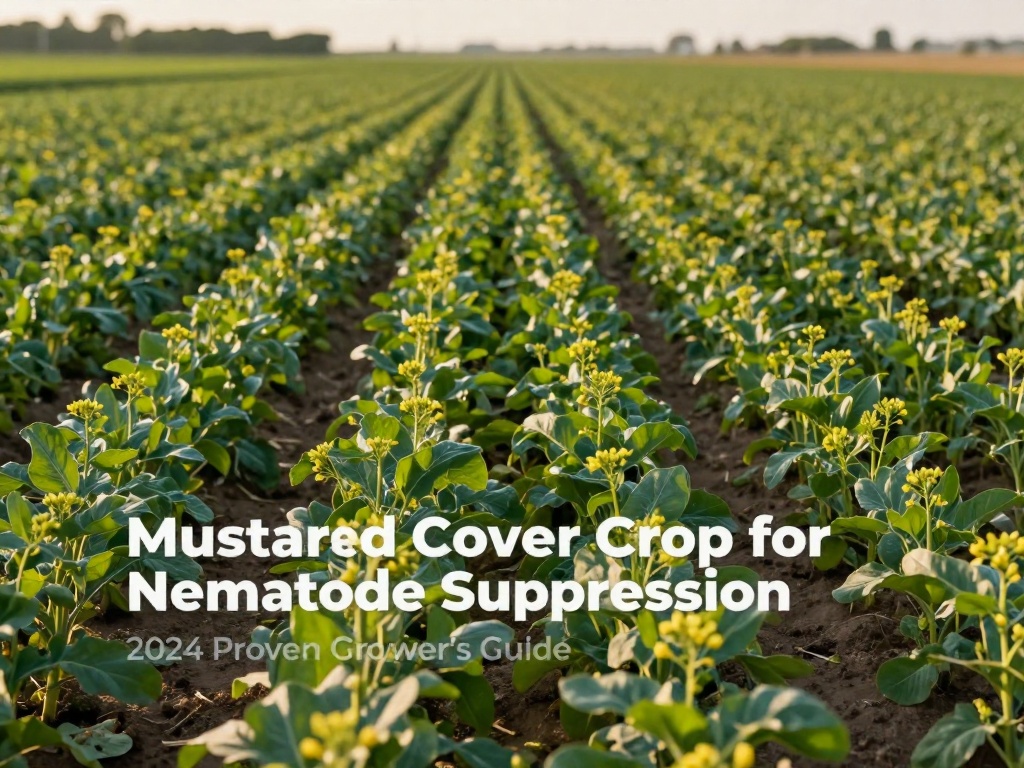
Mustard Cover Crop for Nematode Suppression: 2024 Proven Grower’s Guide
Many vegetable and row crop growers struggle with root-knot and cyst nematodes, microscopic pests that can reduce yields by up to 60% according to the University of California Agriculture and Natural Resources (UC ANR). A growing number of sustainable farmers are turning to the mustard cover crop for nematode suppression, a natural, cost-effective alternative to chemical fumigants. Mustard releases biofumigant compounds that break down in soil to kill harmful nematode populations before they attack cash crops.
What Makes Mustard Effective for Nematode Control?
Biofumigation: The Core Science Behind Mustard’s Power
Mustard crops belong to the Brassicaceae family, which produce glucosinolates, sulfur-rich compounds stored in their leaf, root, and seed tissue. When mustard biomass is chopped and incorporated into soil, these compounds break down into isothiocyanates, volatile chemicals that act as natural fumigants. A 2023 study from Penn State Extension found that specialized mustard varieties reduce root-knot nematode populations by up to 70% when properly terminated.
Targeted Nematode Species Controlled by Mustard
Mustard’s biofumigant properties work on the most common and destructive nematode species impacting commercial U.S. farms. These include root-knot nematodes, cyst nematodes, and lesion nematodes, which attack corn, soybeans, tomatoes, and cotton. Unlike broad-spectrum chemical fumigants, mustard’s compounds only target harmful soil pests, leaving beneficial earthworms and mycorrhizal fungi unharmed in most cases.
Step-by-Step Guide to Planting Mustard for Maximum Nematode Suppression
Select a High-Glucosinolate Mustard Variety
Not all mustard varieties deliver the same nematode suppression results. Growers should skip common wild mustard or forage mustard, and choose cultivars bred specifically for biofumigation. Top tested varieties include Caliente 199, Ida Gold, and Pacific Gold, all of which have been validated by land grant universities for their nematode-killing efficacy.
Terminate Mustard at the Optimal Growth Stage
The most common mistake growers make is terminating mustard too early or too late, which cuts its nematode-fighting power by 50% or more. UC ANR recommends chopping and incorporating mustard biomass into the top 6 inches of soil when 10% of the crop’s flowers have opened. This growth stage has the highest concentration of glucosinolates, ensuring maximum isothiocyanate release. Water the soil immediately after incorporation to trap the volatile compounds in the root zone.
Rotate Mustard With Other Cover Crops
While mustard is highly effective for nematode suppression, it should not be planted as the only cover crop year after year. Rotate mustard with leguminous cover crops like clover or vetch to add nitrogen to the soil, or with cereal rye to improve soil structure and reduce weed pressure. This rotation prevents the buildup of Brassicaceae-specific pests, keeping your soil healthy and productive long-term.
Frequently Asked Questions
How long does it take for mustard to reduce nematode populations?
Most growers see a measurable reduction in nematode populations within 4 to 6 weeks after incorporating mustard biomass into the soil. The effects last through the entire cash crop growing season, with consistent control reported for up to 8 months after termination for most low to moderate pressure fields.
Is mustard approved for nematode suppression in certified organic farming?
Yes, mustard is fully approved for use in all U.S. certified organic farming systems. The USDA National Organic Program recognizes biofumigant cover crops like mustard as a valid, compliant pest management practice, so it will never jeopardize your organic certification status.
Do I still need additional nematode treatments if I plant mustard?
For low to moderate nematode pressure, mustard alone is usually sufficient to protect your cash crop. For high-pressure fields, pair mustard with other sustainable treatments like soil solarization or nematode-resistant cash crop varieties to amplify control. Most growers find that combining mustard with these practices eliminates the need for chemical fumigants entirely.
No comments