
Grass Hay Fertilization for Northern Pastures: 2024’s 7 Proven Tips
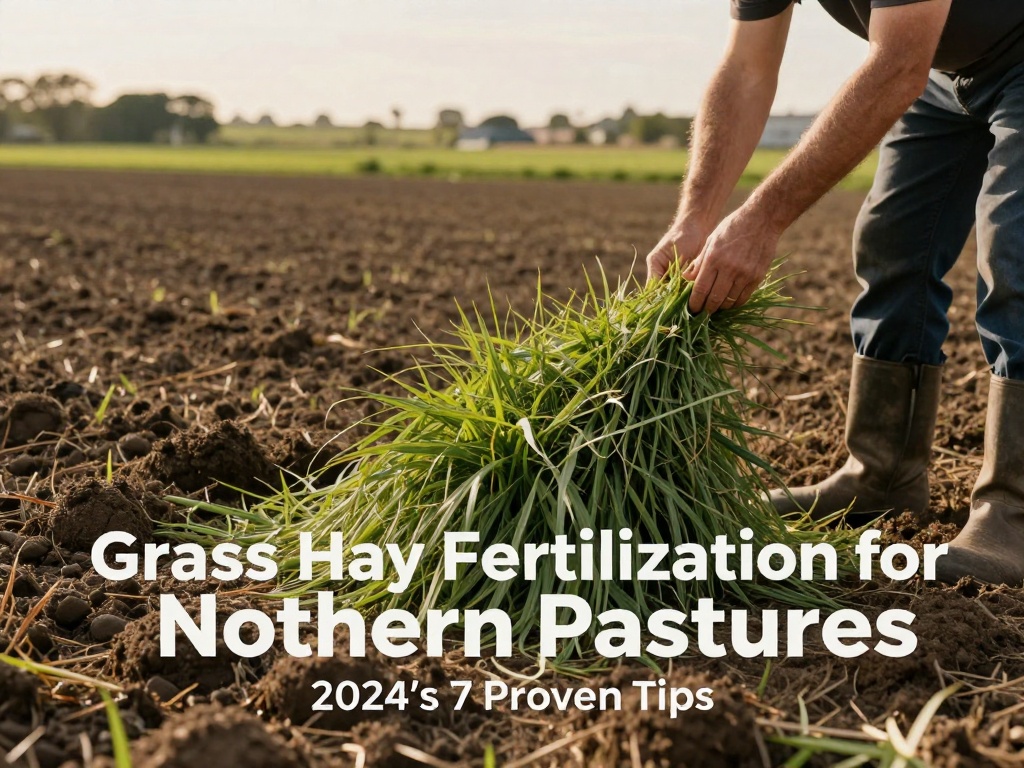
Grass Hay Fertilization for Northern Pastures: 2024’s 7 Proven Tips
Northern climates face unique challenges for hay production, from short growing seasons to frigid winter temperatures that deplete soil nutrients. Grass hay fertilization for northern pastures is not a one-size-fits-all practice, as cool-season grasses like timothy, orchardgrass, and reed canarygrass have specific nutrient requirements that differ from southern forage varieties. A 2023 study from the University of Minnesota Extension found that properly fertilized northern pastures produce 30% more usable hay annually than unfertilized stands, while also resisting weed invasion and drought stress better.
Key Soil Tests to Complete Before Fertilizing
Standard Nutrient Level Analysis
Before applying any fertilizer, test your pasture’s soil to map existing nutrient gaps. Most northern pastures are consistently deficient in phosphorus, potassium, and sulfur, thanks to annual snowmelt that leaches nutrients from topsoil. Testing in late fall, before the ground freezes, gives you time to source fertilizers and plan applications for early spring.
Soil pH Testing
Cool-season grass varieties that dominate northern pastures thrive in a soil pH range of 6.0 to 7.0. Northern soils often acidify over time, so you may need to apply lime to raise pH and boost nutrient uptake. A balanced pH ensures that 80% or more of the fertilizers you apply are absorbed by grass roots, rather than locked in an unusable form in the soil.
Core Nutrients for Optimal Northern Grass Hay Growth
Nitrogen for Early Season Yield Boosts
Nitrogen is the most impactful nutrient for cool-season grasses, which green up 2-3 weeks earlier than their warm-season counterparts. Apply 50-75 pounds of nitrogen per acre in early spring, right after snowmelt, to support the first growth flush. University of Wisconsin Extension recommends splitting nitrogen applications for pastures that produce two annual hay cuts, adding a second 30-pound application after the first harvest to fuel regrowth.
Phosphorus and Potassium for Winter Hardiness
Northern pastures rely on sufficient phosphorus (P) and potassium (K) to survive sub-zero winter temperatures. Phosphorus supports deep root development, while potassium strengthens plant cell walls to resist frost damage. Apply P and K in late fall, so nutrients leach into the soil over winter and are fully available for spring green-up. A 2022 Penn State Extension study found that pastures with adequate K levels had a 25% higher survival rate after a harsh winter than K-deficient stands.
Sulfur for High-Protein Hay
Most northern soils are deficient in sulfur, a critical nutrient for producing high-protein hay that meets livestock dietary requirements. Add 10-15 pounds of sulfur per acre annually to maintain hay crude protein levels above 10%, the minimum needed for beef cattle maintenance. Sulfur also supports grass resistance to common northern pasture diseases like rust and leaf spot.
Sustainable Fertilization Practices to Cut Costs
You can reduce input costs and improve long-term soil health by rotating synthetic fertilizers with well-composted livestock manure from local farms. Avoid applying nitrogen to frozen ground, as spring snowmelt will wash up to 70% of the nutrient into local waterways, causing harmful runoff. Many northern farmers also plant clover as a companion crop in hay pastures, as this legume fixes natural nitrogen in the soil, cutting synthetic nitrogen needs by 25% annually.
Frequently Asked Questions
When is the best time to fertilize northern grass hay pastures?
Early spring, right after snowmelt, is the ideal window for nitrogen applications. Phosphorus and potassium, by contrast, should be applied in late fall to support winter hardiness and early spring growth, as they take time to leach into the soil.
How often should I test the soil of my northern pasture?
Plan to conduct a full soil test every 2-3 years for established northern pastures. If you notice reduced yields, increased weed growth, or patchy spring green-up, test annually to identify nutrient gaps or pH imbalances before they impact long-term pasture health.
Can I use organic fertilizers like manure for northern grass hay pastures?
Yes, well-composted livestock manure is an excellent organic fertilizer for northern pastures. Apply it in late fall to allow nutrients to break down over winter, and avoid raw manure that can introduce weed seeds or harmful pathogens to your pasture and hay supply.
No comments