
Field Pea Cover Crop for Soil Erosion Control: 2024 Essential Grower’s Guide
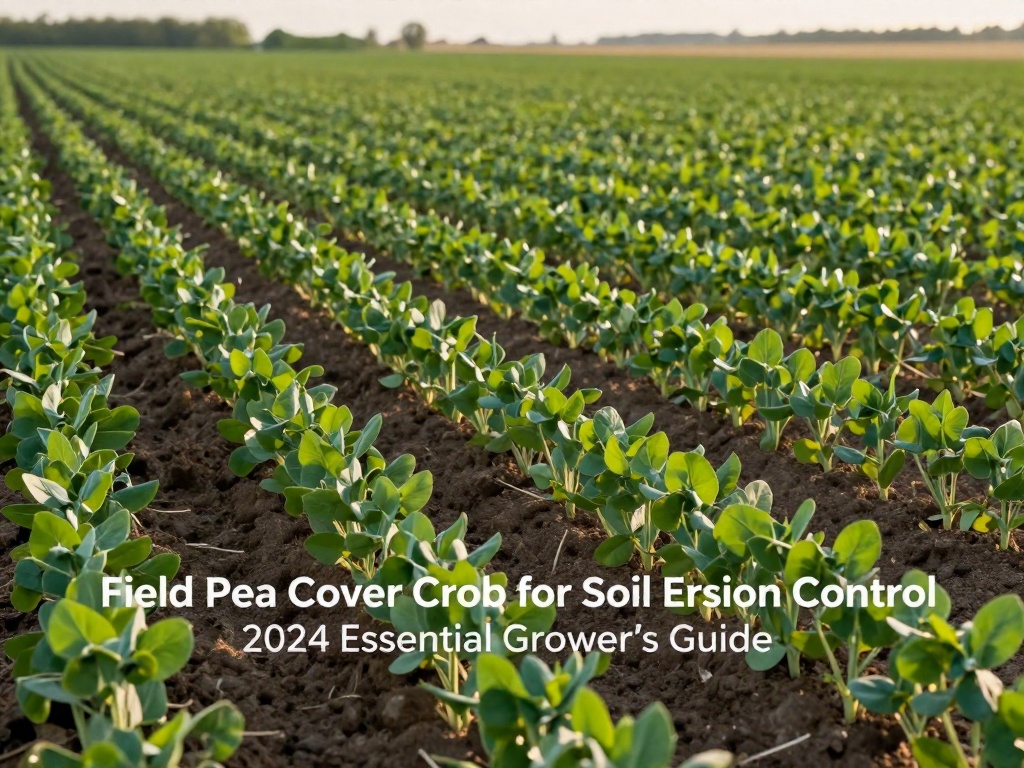
Field Pea Cover Crop for Soil Erosion Control: 2024 Essential Grower’s Guide
The field pea cover crop for soil erosion control has emerged as a top regenerative farming solution for small and large-scale growers alike, per 2023 data from the USDA Natural Resources Conservation Service (NRCS). Unlike shallow-rooted cover crops, field peas produce a dense, fast-growing canopy that locks topsoil in place during high-rainfall or wind-prone seasons. This legume also adds nitrogen to the soil, reducing the need for synthetic fertilizers in subsequent cash crop seasons.
Why Field Peas Outperform Other Cover Crops for Erosion Control
Fast-Growing Canopy That Shields Topsoil
Field peas establish just 2-3 weeks after planting, reaching a height of 12-18 inches within 60 days, per NRCS agricultural trials. Their dense, leafy growth covers 100% of the soil surface in most temperate climates, preventing rain droplets from dislodging topsoil particles that are critical for long-term crop productivity. This canopy also reduces surface runoff by up to 75% compared to bare fields, according to a 2024 study from Purdue University’s Department of Agronomy.
Fibrous Root System That Binds Soil Together
Beyond above-ground protection, field peas develop a dense network of fibrous primary roots and smaller lateral roots that penetrate up to 2 feet deep. These roots create stable soil aggregates that hold loose topsoil in place, even during extreme wind events that can carry away unprotected soil at a rate of 5 tons per acre annually, per NRCS data. Unlike taprooted cover crops that only create vertical channels, field peas’ fibrous roots weave through the top 6 inches of soil, the layer most vulnerable to erosion.
Nitrogen Fixation That Adds Long-Term Soil Value
As a leguminous cover crop, field peas form symbiotic relationships with Rhizobium bacteria that convert atmospheric nitrogen into a form usable by plants. They add up to 100 pounds of nitrogen per acre to the soil, reducing input costs for the following corn, wheat, or soybean crop by $30-$50 per acre, per USDA estimates. This dual benefit of erosion control and soil fertility makes field peas a high-ROI choice for growers looking to cut costs while protecting their most critical asset: their land.
Best Practices to Plant Field Peas for Maximum Erosion Control
Optimal Planting Timing and Seeding Rate
To maximize erosion protection, plant field peas 4-6 weeks before the first expected frost in fall regions, or 2-3 weeks before the last spring frost for northern growing zones. Use a seeding rate of 120-150 pounds per acre for pure stands, or mix with cereal rye at a rate of 60 pounds of peas and 30 pounds of rye for enhanced winter hardiness. This mix creates a more resilient canopy that survives mild winters and continues protecting soil into early spring.
Site Preparation for Quick Establishment
Field peas thrive in well-drained loam or sandy loam soils with a pH between 6.0 and 7.0. Prepare a smooth, firm seedbed to ensure seeds are planted 1-1.5 inches deep, which supports uniform germination across your entire field. Inoculate seeds with the appropriate Rhizobium strain for field peas before planting to maximize nitrogen fixation, a step that boosts both soil health and erosion control efficacy.
Termination Timing to Protect Soil Long-Term
Terminate field pea stands 2-3 weeks before planting a cash crop, or when the peas reach 50% bloom to retain maximum biomass for erosion protection. Use mechanical tillage only if necessary; roller-crimping or herbicide termination leaves the residue canopy intact, continuing to protect soil from erosion for up to 8 weeks after termination. This residue layer continues shielding soil even after the cover crop is killed, filling the gap before cash crop canopies fully develop.
Frequently Asked Questions
Are field peas suitable for all climate zones for erosion control?
Field peas grow best in USDA hardiness zones 3-9, making them suitable for most temperate growing regions in the U.S. Growers in zone 10 or higher may struggle with heat stress that stunts canopy growth, while those in zone 2 and below will face rapid winter kill that limits fall-planted pea efficacy. For extreme climates, consult your local extension office to adapt field pea planting schedules to your region.
Can I mix field peas with other cover crops for better erosion control?
Yes, mixing field peas with cereal rye, oats, or hairy vetch creates a more resilient cover crop system that outperforms pure stands. The grass species add extra fibrous root volume and winter hardiness, while field peas add nitrogen and fast early growth to cover bare soil immediately after planting. This combination reduces erosion risk by an additional 20% compared to pure pea stands, per Purdue University’s 2024 cover crop study.
How long does a field pea residue layer protect soil from erosion?
A properly managed field pea residue layer continues to protect soil from erosion for 6-8 weeks after termination. When mixed with cereal rye, the combined residue can persist for up to 12 weeks, extending erosion protection through the early stages of cash crop growth. This extended protection is critical, as young cash crops take 4-6 weeks to develop a full canopy that can shield soil from rain and wind damage.
No comments