
Organic Copper Fungicide for Tomato Blight: 2024 Proven Tips to Save Your Crop
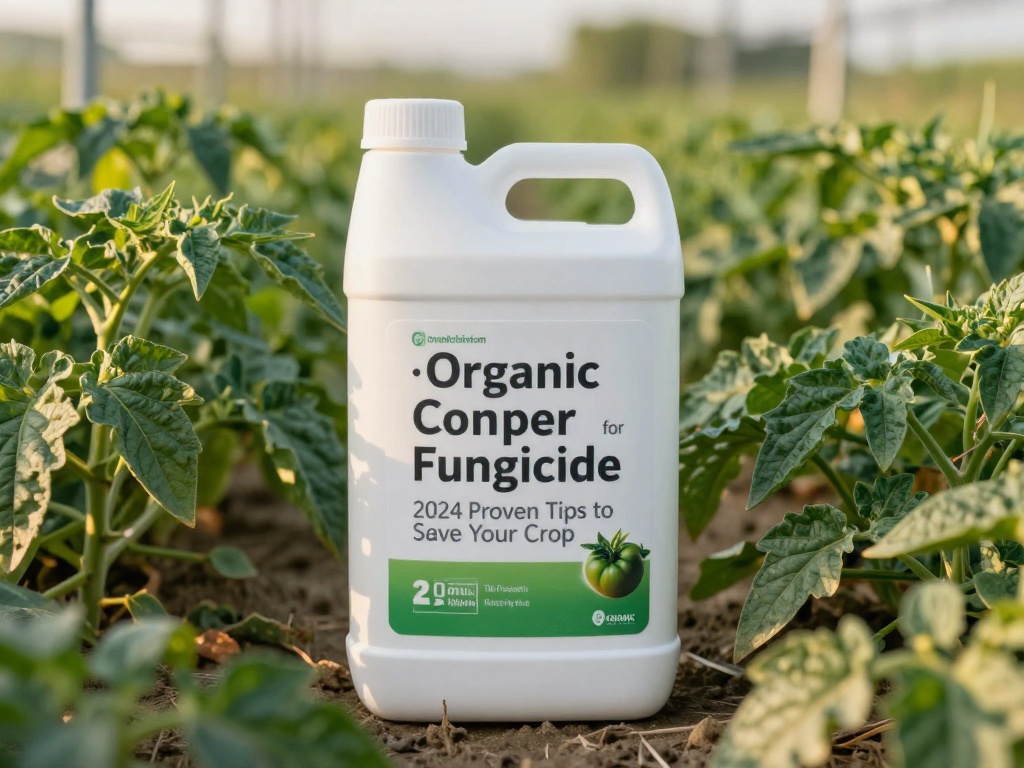
Organic Copper Fungicide for Tomato Blight: 2024 Proven Tips to Save Your Crop
Tomato blight is one of the most destructive crop diseases, wiping out entire tomato harvests in as little as two weeks if left unmanaged. Organic copper fungicide for tomato blight is a trusted, OMRI-listed solution that stops both early blight (Alternaria solani) and late blight (Phytophthora infestans) without harmful synthetic additives. It aligns with certified organic farming standards, making it safe for use on all food-producing tomato plants.
What Makes Organic Copper Fungicide Effective Against Tomato Blight?
How Copper Disrupts Blight Pathogens
Copper is a broad-spectrum antimicrobial that damages the cell membranes and reproductive structures of blight-causing fungi and oomycetes. According to the University of Minnesota Extension, copper prevents blight spores from germinating on tomato leaves, stems, and fruit, stopping infections before they spread to the rest of the plant. It works as a protective barrier, so it must be applied before blight symptoms appear for maximum efficacy.
Key Differences Between Organic and Synthetic Copper Products
Organic copper fungicides use only approved inert ingredients and are regulated by the Organic Materials Review Institute (OMRI) to meet U.S. national organic standards. Synthetic copper alternatives often mix copper with unapproved synthetic additives that disqualify crops from organic certification. Organic formulations also break down faster in soil, reducing the risk of long-term copper buildup that can harm beneficial earthworms and soil microbes.
How to Apply Organic Copper Fungicide for Maximum Blight Control
Timing Your Applications Correctly
The University of California Statewide IPM Program recommends applying copper fungicide at the first sign of flower formation, or 1-2 weeks before your region’s typical blight season begins. For most temperate U.S. growing zones, this falls in mid-to-late June, when rising humidity creates ideal conditions for blight to spread. Reapply every 7-10 days, or within 24 hours of heavy rain that washes away the protective copper barrier.
Correct Application Rates and Techniques
Follow product label instructions to avoid overapplying copper, which can cause leaf burn in young tomato plants. A standard OMRI-listed copper fungicide requires mixing 1 tablespoon of concentrated formula with 1 gallon of water, sprayed evenly on all leaf surfaces including the undersides where blight spores often land. Wear protective gloves and eye gear when mixing and spraying, and avoid application during peak midday sun to prevent leaf scorch.
What to Avoid When Using Copper Fungicide
Never mix copper fungicide with other oil-based sprays, as this combination can cause permanent leaf damage and reduce copper’s blight-fighting efficacy. Avoid using copper on tomato plants stressed by drought or nutrient deficiency, as weakened plants are far more susceptible to copper-induced burn. The USDA also limits annual copper use to no more than 4 pounds per acre to prevent harmful soil accumulation.
Common Mistakes That Reduce Copper Fungicide’s Effectiveness
Many gardeners make the critical mistake of applying copper only after blight symptoms appear, which drastically reduces its ability to stop spread. Copper is a protectant, not a curative, so it cannot eliminate existing blight infections that have already penetrated plant tissue. Inconsistent application that creates gaps in the protective barrier and using expired copper fungicide, whose active particles degrade over time, also render the product far less effective.
Frequently Asked Questions
Is organic copper fungicide safe to use on edible tomato fruit?
Yes, OMRI-listed organic copper fungicide is safe for use on edible crops when applied per label instructions. The USDA confirms that copper residues on harvested tomatoes fall well below federal safety thresholds, and a simple wash with cool water removes any remaining surface residue before consumption.
Can organic copper fungicide cure existing late blight infections in tomatoes?
No, copper is a preventative treatment, not a curative. If you spot late blight symptoms (dark, water-soaked leaf spots with white fungal fuzz), remove and destroy infected plants immediately to prevent spread. Apply copper to all remaining healthy plants to create a protective barrier against new spores.
Are there natural alternatives to copper fungicide for tomato blight control?
Popular alternatives include neem oil, the beneficial bacteria Bacillus amyloliquefaciens, and aerated compost tea. These work for mild early blight pressure, but they are far less effective against aggressive late blight outbreaks. For high-humidity regions where blight is a yearly threat, copper remains the most reliable organic solution for crop protection.
No comments