
Clover Overseeding for Goat Pasture Productivity: 2024 Proven Tips to Boost Yields
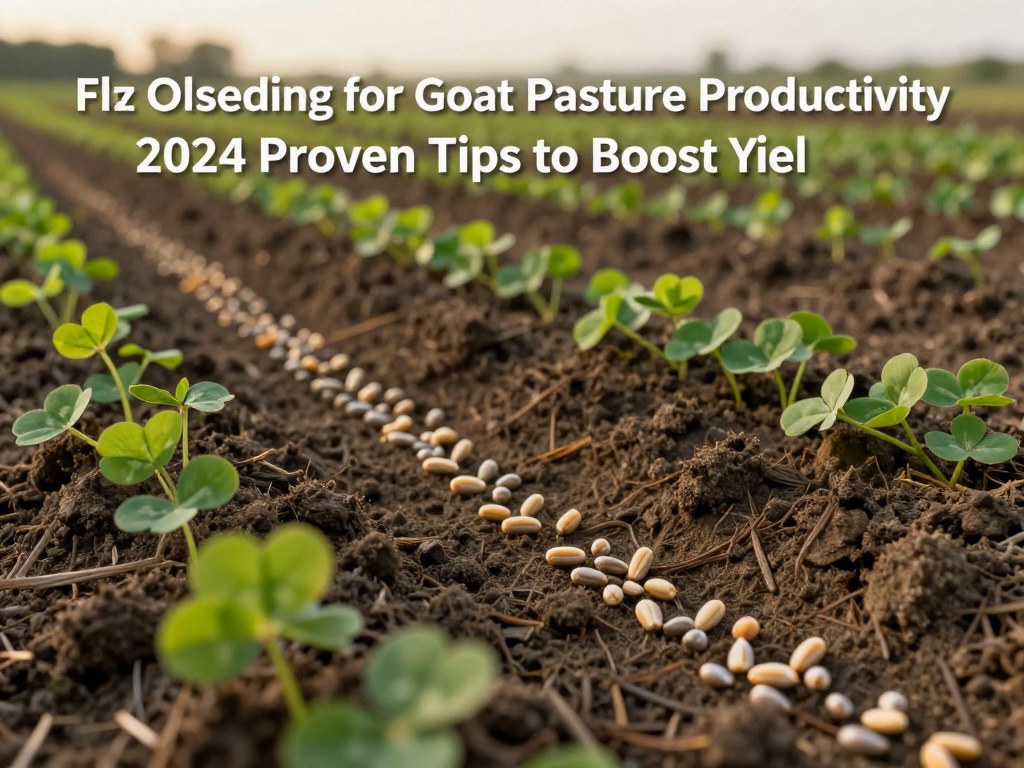
Clover Overseeding for Goat Pasture Productivity: 2024 Proven Tips to Boost Yields
Clover overseeding for goat pasture productivity is a low-cost, high-return practice that transforms underperforming grazing lands into nutrient-dense forage sources. Goats are selective grazers that thrive on high-protein forage, and clover delivers the exact nutrition their rumens need to support growth, milk production, and overall herd health. According to the University of Kentucky Extension, pastures overseeded with white and red clover can boost forage crude protein levels by up to 12% compared to grass-only pastures.
Core Benefits of Clover Overseeding for Goat Pastures
1. Cuts Feed Costs While Boosting Goat Nutrition
Clover is a nitrogen-fixing legume that feeds both surrounding pasture grasses and grazing goats. It contains 18-25% crude protein, far higher than common pasture grasses like fescue, which typically top out at 10% crude protein. This high protein content reduces the need for supplemental grain feeds, cutting annual feed costs by 15-20% for most small-scale goat herds, per 2024 data from the USDA’s Sustainable Agriculture Research and Education (SARE) program.
2. Extends Your Annual Grazing Window
Most clover varieties grow earlier in the spring and persist later into the fall than standard cool-season pasture grasses. That means you can extend your grazing window by 4-6 weeks annually, reducing the amount of hay you need to harvest and store for winter feeding. Overseeded clover also fills in bare patches that would otherwise grow invasive weeds, cutting the need for herbicide applications.
3. Improves Long-Term Pasture Health
As a nitrogen-fixing legume, clover eliminates the need for up to 100 pounds of synthetic nitrogen fertilizer per acre every year. That lowers input costs while reducing your farm’s carbon footprint. Clover’s deep root system also prevents soil erosion, improves water retention, and supports beneficial soil microbes that boost long-term pasture productivity.
Step-by-Step Guide to Successful Clover Overseeding
Choose the Right Clover Varieties for Your Region
Not all clover is suited for heavy goat grazing. For most temperate regions, a mix of low-growing white clover (persistent under overgrazing) and red clover (high-yielding and parasite-suppressing) is ideal. If you farm in a warm southern climate, use heat-tolerant ladino clover to ensure it survives hot, humid summers. Always source certified weed-free seed to avoid introducing invasive species to your pastures.
Time Your Seeding for Optimal Germination
The best time to overseed clover is 2-3 weeks before your area’s average first frost in the fall. This timing lets seed germinate slowly over cool, wet winter months, establishing strong root systems before spring grazing begins. If you miss the fall window, you can overseed in early spring, 4-6 weeks before the last frost, though fall seeding typically produces 20% higher yields, per Penn State Extension data.
Prepare Your Pasture Seedbed Correctly
To ensure clover seed makes full contact with soil, graze your pasture hard for 1-2 weeks before seeding to trample excess grass and expose bare soil. You can also mow pastures to a 3-inch height and lightly harrow the surface to create a receptive seedbed. For small pastures, broadcasting seed by hand works well, while large pastures benefit from a no-till drill that places seed ¼-inch deep for maximum germination.
Maintain Overseeded Pastures for Long-Term Success
Rotate goats through clover overseeded pastures on a 21-28 day grazing cycle to let clover regrow fully between grazings. Avoid overgrazing, which can kill shallow-rooted white clover and let weeds take over. Test your soil every 3 years to ensure phosphorus and potassium levels are sufficient, as clover needs these nutrients to fix nitrogen effectively. Most clover stands persist for 3-5 years, so plan to overseed again every 4 years to maintain high productivity.
Frequently Asked Questions
Is clover safe for goats to eat every day?
Yes, clover is completely safe for goats when grown as part of a balanced pasture. The only exception is moldy clover from poorly drained pastures, which can cause mild health issues. Moderate clover consumption (up to 30% of a goat’s daily diet) supports better growth and health than grass-only forage.
How much clover seed do I need per acre for overseeding?
For a standard mix of white and red clover, plan to seed 8-10 pounds of seed per acre. If you only plant white clover, use 4-6 pounds per acre, while red clover alone requires 8-12 pounds per acre. Over-seeding can lead to overcrowding and reduced clover survival, so stick to these recommended rates.
Does clover reduce internal parasites in goat herds?
Yes, a 2023 study from the University of Georgia found that red clover contains condensed tannins that reduce the number of internal parasite larvae goats consume while grazing. This can reduce the need for frequent deworming medications, supporting a more sustainable, low-input herd health program.
No comments