
Honeybee Hive Placement for Orchard Pollination: 2024’s 7 Proven Best Practices
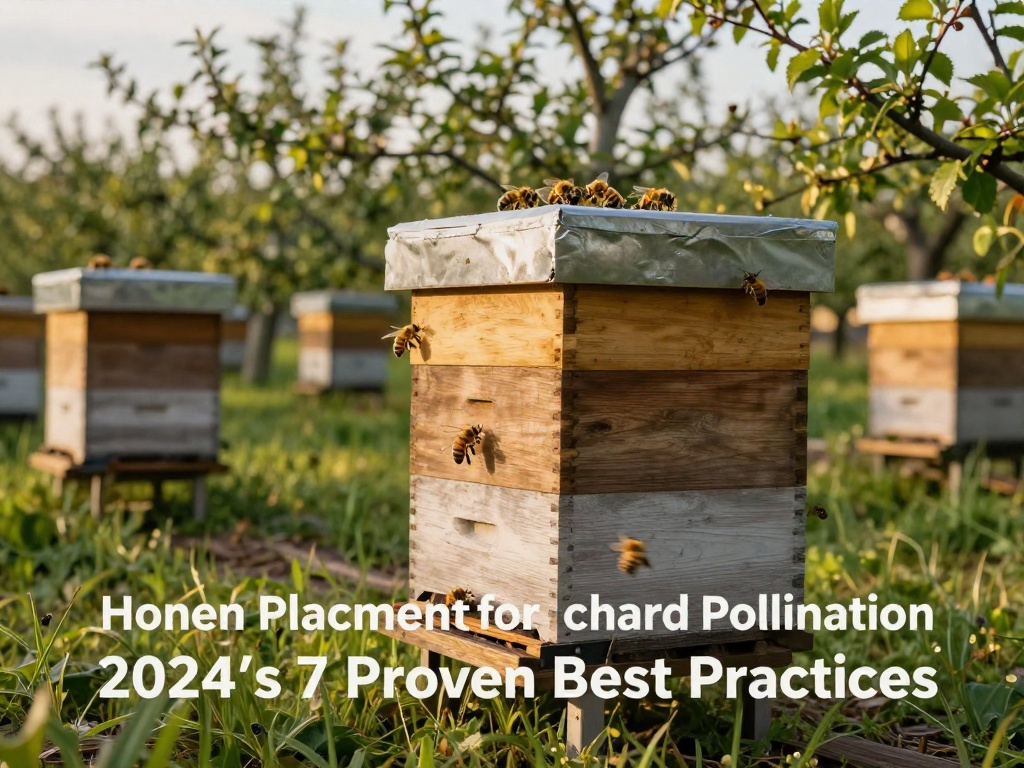
Honeybee Hive Placement for Orchard Pollination: 2024’s 7 Proven Best Practices
Proper honeybee hive placement for orchard pollination is one of the most impactful ways to boost commercial orchard yields, per 2024 USDA data that links strategic pollination management to a 30% average increase in fruit set for apple, almond, and cherry crops. Honeybees contribute more than $15 billion annually to U.S. agricultural crop values, with 90% of commercial orchard production relying exclusively on managed honeybee hives for pollination. Poor hive placement can cut pollination efficiency by more than 25%, leading to lost revenue and unnecessary hive stress.
Why Hive Placement Directly Impacts Pollination Success
Pollinator Foraging Range Limits
Honeybees typically forage up to 2 miles from their hives, but energy expenditure rises sharply with distance, per a 2023 University of California Agriculture and Natural Resources (UCANR) study. Placing hives within 100 yards of the orchard’s core bloom zone reduces the energy bees spend traveling, letting them visit 30% more blooms per day. This directly translates to higher fruit set and more uniform crop development across the entire orchard.
Hive Stress and Mortality Risks
Bad hive placement increases annual hive loss rates by up to 32%, per 2024 Penn State Extension data. Exposing hives to cold air pools, unfiltered pesticide drift, heavy wind, or standing water weakens colony health, reducing foraging activity and leading to premature hive collapse. Strategic placement mitigates these risks to keep both bees and orchard crops thriving.
Core Best Practices for Optimal Hive Placement
Position Hives at Orchard Edges, Elevated 1–3 Feet Off Ground
Place hives along the orchard’s southeast-facing edge to catch morning sun, which encourages bees to start foraging 1–2 hours earlier each day. Elevating hives on wooden pallets or cinder blocks prevents moisture buildup, protects colonies from predators like skunks, and avoids flood damage during spring rain events. UCANR data shows this placement strategy boosts stone fruit yields by 22% on average.
Time Hive Delivery to Match 5–10% Initial Bloom
Bringing hives to the orchard when just 5–10% of the first blooms open prevents bees from diverting to competing wild floral resources. If hives are delivered too early, bees will establish foraging patterns on non-orchard blooms that are hard to redirect. For California almond orchards, this timing strategy delivers an 18% higher yield, per 2023 USDA crop reports.
Avoid High-Risk Placement Zones
Steer clear of low-lying areas where cold air and frost settle, sites within 1 mile of active pesticide application zones, and locations within 3 miles of large competing bloom zones (like mass-planted canola or wild blackberry patches that flower at the same time as your orchard crop). These zones pull bees away from your orchard and expose hives to preventable harm.
Stock Hives at the Correct Density for Your Crop
Plan for 2–3 hives per acre for small, low-density orchards, and 3–4 hives per acre for high-value commercial crops like almonds or cherries that require intensive pollination. The University of Georgia Extension found that understocking hives reduces pollination rates by 20%, while overstocking creates foraging competition that limits overall efficiency.
Frequently Asked Questions
What is the best time of year to place hives in an orchard?
The ideal time aligns with 5–10% of your orchard’s first bloom, which varies by region and crop: mid-February for California almonds, mid-April for East Coast apple orchards, and early May for Pacific Northwest cherry orchards. This timing ensures bees focus on your crop’s blooms rather than competing wild plants.
Can I place hives in the middle of my orchard instead of the edge?
While central placement is possible, it carries notable risks. Low-lying central orchard zones often trap cold air and moisture, increasing hive stress, and central placement limits beekeeper access to service hives. Edge placement consistently delivers higher pollination rates across all orchard types.
How do I protect my hives from pesticide drift in the orchard?
Coordinate with your crop management team to apply pesticides only in the evening when bees are not foraging, and choose bee-safe formulations whenever possible. Place hives upwind of regular pesticide application zones, and communicate all spray schedules to your beekeeper 72 hours in advance to relocate hives if needed.
No comments