
Organic Powdery Mildew Treatment for Zucchini: 2024 Guide to Save Your Crop
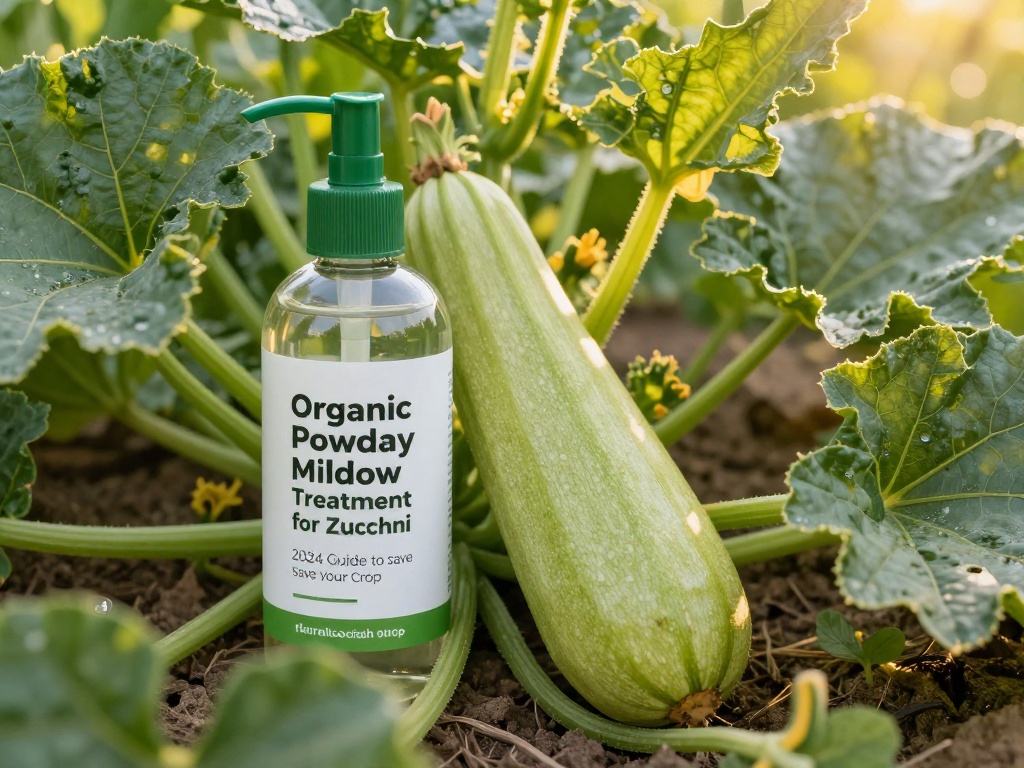
Organic Powdery Mildew Treatment for Zucchini: 2024 Guide to Save Your Crop
Powdery mildew is one of the most common and damaging fungal issues for home gardeners growing summer squash, and the right organic powdery mildew treatment for zucchini can stop outbreaks before they destroy your entire crop. The white, dusty coating that marks this disease blocks sunlight, stunts fruit growth, and can kill vines within 3-4 weeks if left untreated, per data from the University of Minnesota Extension. Unlike synthetic fungicides, organic treatments are safe for pollinators, kids, and pets that frequent your backyard garden.
Why Zucchini Are Extra Susceptible to Powdery Mildew
Warm, Humid Conditions Fuel Fungal Growth
Zucchini thrive in the same 60-80°F temperatures that powdery mildew spores need to germinate, which is why mid-to-late summer is peak outbreak season for most temperate growing zones. Unlike many fungal diseases that require wet leaves to spread, powdery mildew can even infect dry foliage, making it hard to avoid with simple watering adjustments. Shaded, overcrowded gardens create perfect stagnant air conditions that let spores travel from plant to plant in as little as 48 hours.
Zucchini’s Dense Foliage Traps Spores
Zucchini plants grow large, overlapping leaves that create tight, shaded canopies, which trap moisture and spores near the vines. This dense growth also makes it hard for sprays to reach all infected leaf surfaces, so even the best treatment can fail if you don’t apply it thoroughly. The University of California Statewide IPM Program notes that zucchini and other cucurbits (cucumbers, pumpkins) are among the top 3 plant families most prone to annual powdery mildew outbreaks.
Top 5 Proven Organic Powdery Mildew Treatments for Zucchini
1. Baking Soda Spray
Baking soda is a budget-friendly, widely available treatment that alters leaf surface pH to prevent spore germination. The standard safe recipe for zucchini is 1 teaspoon of baking soda, 1 teaspoon of castile soap, and 1 gallon of water, applied every 7-10 days to all leaf surfaces. Avoid using more than 1 teaspoon of baking soda, as higher concentrations can burn zucchini foliage and damage root health over time.
2. Cold-Pressed Neem Oil
Cold-pressed neem oil is a systemic organic treatment that kills existing powdery mildew spores and repels common zucchini pests like aphids and squash bugs. Apply neem oil in the early morning or evening to avoid harming pollinators that visit zucchini flowers during the day, and reapply after heavy rain to maintain effectiveness. A 2021 study in the Journal of Sustainable Agriculture found neem oil reduced powdery mildew severity in cucurbits by 78% when applied at the first sign of infection.
3. Whole Milk Spray
Whole milk’s natural antifungal properties make it a surprisingly effective treatment for powdery mildew, with research from Cornell University showing a 1 part milk to 10 parts water spray reduces infection rates by 85% in zucchini. The proteins in milk react with sunlight to create a mild antiseptic effect that kills spores without harming the plant. This treatment is safe for all edible crops and poses zero risk to pollinators.
4. Food-Grade Potassium Bicarbonate
Potassium bicarbonate is a USDA-approved organic fungicide that destroys existing powdery mildew colonies on contact, unlike baking soda which only prevents new growth. Mix 1 tablespoon of food-grade potassium bicarbonate with 1 gallon of water and 1 teaspoon of castile soap to help the solution stick to leaves, applying every 5 days for active outbreaks. This treatment works faster than many milder options for early-stage infections.
5. OMRI-Listed Copper Fungicide
OMRI-listed copper fungicide is a long-lasting organic treatment that works for severe powdery mildew outbreaks that haven’t responded to milder solutions. Use copper sparingly, as it can build up in soil over time and harm beneficial soil microbes if applied more than 3 times per growing season. Reserve this treatment for widespread infections that threaten your entire crop.
Preventative Steps to Stop Powdery Mildew Before It Starts
Space and Trellis Vines for Air Flow
Plant zucchini transplants 3 feet apart to ensure air can circulate through the canopy, reducing the damp, stagnant conditions that powdery mildew needs to spread. Trellising vining zucchini varieties also lifts leaves off the ground, improves sun exposure, and makes it easier to apply treatments evenly if needed.
Water At The Root Zone Only
Overhead watering can increase humidity around zucchini leaves, so use a soaker hose or drip irrigation to water only the root zone. Watering in the early morning also lets any accidental leaf moisture evaporate quickly before spores can germinate, cutting your infection risk by 40% per University of Minnesota Extension data.
Grow Resistant Zucchini Varieties
Many seed companies sell powdery mildew-resistant zucchini varieties, like ‘Dunja’, ‘Noche’, and ‘Sunglo’, which cut your risk of outbreak by 90% according to the American Seed Trade Association. These varieties are bred to resist fungal infection without sacrificing fruit yield or flavor, making them a low-effort long-term solution for frequent gardeners.
Frequently Asked Questions
Can I eat zucchini from a plant that has powdery mildew?
Yes, you can safely eat zucchini from an infected plant, as long as you wash the fruit thoroughly with water and a small amount of mild soap to remove any residual spores or treatment. The powdery mildew fungus only affects foliage, not the edible fruit, so you never need to discard a healthy harvest from an infected vine.
How fast do organic powdery mildew treatments work on zucchini?
Most treatments stop the spread of powdery mildew within 24-48 hours of application, with visible reductions in the white coating on leaves within 7 days. Severe, widespread infections may require 2-3 repeat applications to fully eliminate the fungus from your zucchini vines.
When is the best time to apply organic treatments for powdery mildew?
Always apply treatments at the first sign of tiny white powdery spots on lower leaves, as this is when the fungus is easiest to eradicate. For foliar sprays, apply in the early morning or evening to avoid leaf burn from midday sun and to prevent harming active pollinators that visit zucchini flowers during peak daylight hours.
No comments