
Crimson Clover for Orchard Soil Fertility: 2024’s Proven Cover Crop Guide
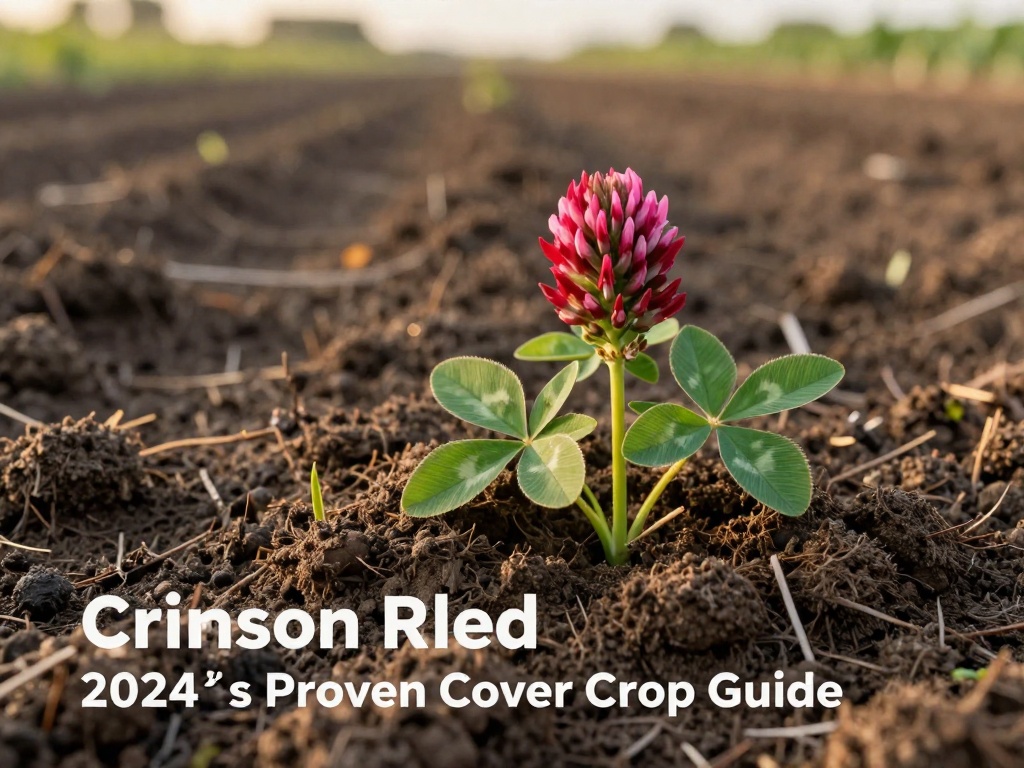
Crimson Clover for Orchard Soil Fertility: 2024’s Proven Cover Crop Guide
Crimson clover for orchard soil fertility is rapidly becoming the top choice for commercial and small-scale orchard owners looking to reduce synthetic inputs while boosting long-term soil health. A cool-season legume cover crop, crimson clover fixes atmospheric nitrogen, adds organic matter, and creates a protective mat between tree rows that addresses most common orchard soil challenges. University of California Statewide IPM Program research confirms that properly managed crimson clover can cut nitrogen fertilizer needs for apple orchards by up to 40% in its first growing season.
Core Benefits of Crimson Clover for Orchard Soil Health
Boosts Natural Nitrogen Availability
As a legume, crimson clover forms symbiotic relationships with Rhizobium bacteria to convert atmospheric nitrogen into a form that orchard trees can easily uptake. This process delivers an average of 100 to 150 pounds of available nitrogen per acre to subsequent growing seasons, per Penn State Extension’s cover crop database. This eliminates the need for frequent synthetic nitrogen applications, reducing input costs and the risk of nutrient runoff into local waterways.
Suppresses Weeds and Prevents Erosion
Crimson clover grows quickly to form a dense, 12 to 18-inch tall mat that blocks sunlight from reaching weed seeds, suppressing common orchard weeds like pigweed, chickweed, and foxtail. The thick root system also holds topsoil in place, reducing erosion risk on sloped orchard sites prone to losing soil during heavy winter or spring rains. Unlike synthetic herbicides, crimson clover’s weed suppression is non-toxic and supports beneficial insect populations that prey on orchard pests.
Improves Soil Structure and Water Retention
Over time, the deep taproot of crimson clover breaks up compacted soil layers, creating pore spaces that improve air and water infiltration into the root zone of fruit trees. A 2023 study from Washington State University found that orchard rows with three years of crimson clover cover had 27% higher water holding capacity than bare soil rows, reducing irrigation needs during summer dry spells. The clover’s above-ground biomass also adds organic matter as it decomposes, feeding soil microbes that support long-term tree health and nutrient cycling.
How to Plant and Manage Crimson Clover in Orchard Rows
Optimal Planting Timing
Crimson clover is a cool-season crop, so the best time to plant it depends on your climate zone. For most temperate orchard regions (USDA zones 6 and above), plant crimson clover in late summer to early fall, 4 to 6 weeks before the first expected frost. This gives the crop enough time to establish before winter, so it can resume active growth as soon as temperatures warm in the spring. For colder zones (5 and below), plant in early spring to avoid winter kill.
Seeding Rate and Method
For orchard row applications, Penn State Extension recommends a seeding rate of 15 to 20 pounds of pure live seed per acre. You can broadcast seed by hand for small orchards, or use a mechanical spreader for larger commercial operations. Rake the soil lightly after broadcasting to ensure seeds are covered with ¼ inch of soil, which improves germination rates. Crimson clover can be planted alone or mixed with other cover crops like annual ryegrass to create a more resilient ground cover.
Termination Best Practices
Terminate crimson clover 2 to 3 weeks before full bloom, or 3 to 4 weeks before the orchard tree’s active nutrient uptake period begins in late spring. Common termination methods include mowing, rolling, or crimping the clover to create a mulch mat that decomposes over the summer. Avoid using herbicides to terminate crimson clover if you want to preserve its soil health benefits, as chemical residues can disrupt beneficial soil microbes.
Frequently Asked Questions About Crimson Clover for Orchards
How long does it take for crimson clover to improve orchard soil?
Most orchard owners see measurable improvements in soil nutrient levels and weed suppression within the first growing season. Full improvements to soil structure and organic matter content take 2 to 3 years of consistent planting, per Washington State University research.
Can crimson clover attract pests that harm orchard trees?
When properly managed, crimson clover rarely attracts harmful orchard pests. In fact, it attracts beneficial pollinators and predatory insects like ladybugs that control common pests like aphids and mites. To avoid rodent habitat risks, mow the clover before it grows tall enough to provide shelter for ground-dwelling pests.
Is crimson clover suitable for all types of fruit orchards?
Crimson clover works well for nearly all commercial and backyard fruit tree varieties, including apples, pears, peaches, cherries, and citrus. It adapts to most well-drained soil types, though it prefers slightly acidic to neutral soil pH levels between 6.0 and 7.0.
No comments