
Pumpkin Vine Pruning for High-Yield Gardens: 7 Proven 2024 Tips
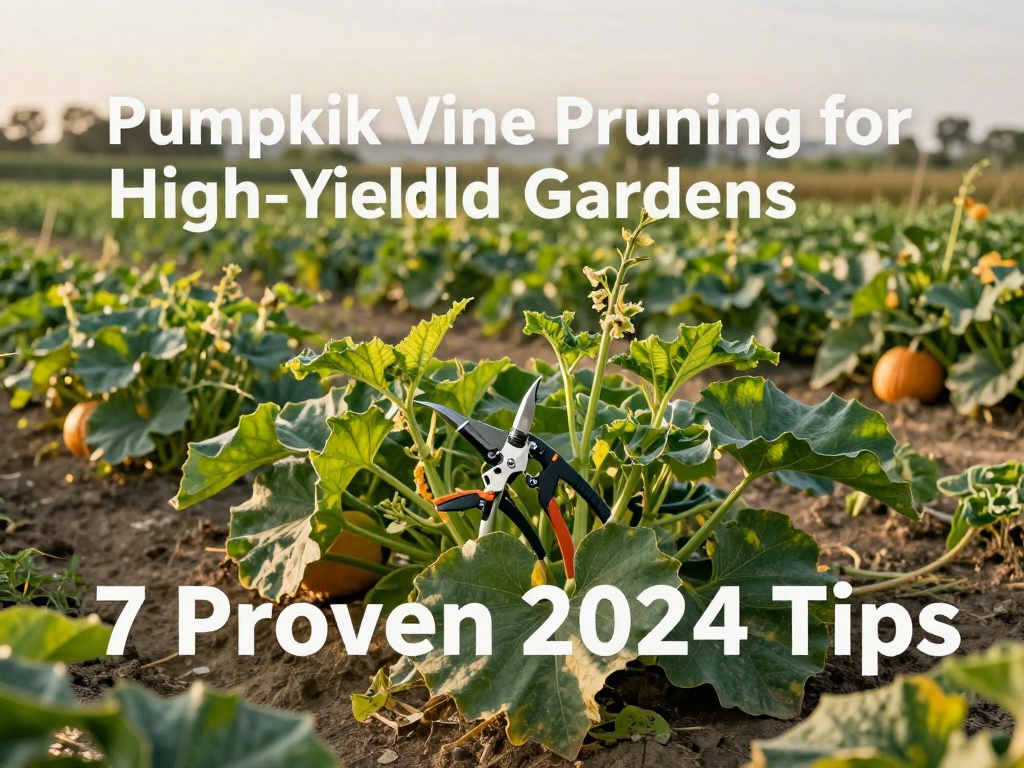
Pumpkin Vine Pruning for High-Yield Gardens: 7 Proven 2024 Tips
If you grow pumpkins for homemade pies, seasonal jack-o’-lanterns, or local market sales, pumpkin vine pruning for high-yield gardens is one of the most impactful cultural practices you can adopt. The University of Illinois Extension found that properly pruned pumpkin vines produce 30% larger fruits and 20% more marketable pumpkins than unpruned, unmanaged vines. Pruning redirects the vine’s energy to developing fruits, rather than wasting it on excess foliage and unproductive growth.
Why Prune Pumpkin Vines?
Reduce Nutrient Competition
Unpruned pumpkin vines grow endless secondary shoots, called laterals, that drain critical nutrients from the main vine’s developing fruits. Each unneeded lateral can consume up to 15% of the vine’s available nitrogen and phosphorus, per Penn State Extension. Trimming unproductive laterals ensures all resources flow to your maturing pumpkins.
Prevent Fungal Disease
Dense, unpruned vine canopies trap moisture and block sunlight, creating the perfect environment for powdery mildew and downy mildew. The USDA reports these common fungal pathogens can reduce pumpkin yields by up to 40% in unmanaged gardens. Pruning opens the canopy to improve airflow and sunlight penetration, cutting disease risk significantly.
Limit Pest Habitat
Overgrown, thick vines create hiding spots for squash bugs and cucumber beetles, two of the most destructive pumpkin pests. Pruning reduces these sheltered spaces, making it easier to spot and treat infestations early before they can spread through your crop.
7 Step-by-Step Pruning Tips for Maximum Yield
1. Mark the Main Vine First
The main vine is the thickest, central stem growing directly from your original seedling. Mark it with a small twist tie or piece of string to avoid accidentally cutting it while trimming secondary laterals. This simple step eliminates costly pruning mistakes.
2. Trim Lateral Vines After 2 Fruits Set
Once the main vine has set 2 healthy, uniformly sized pumpkins, trim all excess laterals that grow after that point. Leave 2 full leaves beyond the last fruit to support ongoing photosynthesis, as leaves are the vine’s primary energy source.
3. Remove Malformed Fruits Early
If you spot any misshapen, small, or rotting pumpkins, snip them off immediately. Ohio State University research found that removing unviable fruits lets vines redirect energy to remaining healthy pumpkins, which can grow up to 3 pounds larger as a result.
4. Top the Main Vine’s Growing Tip
Once you have your 2 target pumpkins, cut the main vine’s growing tip 10 feet past the last fruit. This stops the vine from wasting energy on new, unproductive vegetative growth, focusing all resources on maturing your existing pumpkins.
5. Pinch Off All Suckers
Suckers are thin, small shoots that grow in the axils, the joint where a leaf stem meets the main vine. These shoots never produce fruit and only drain energy, so pinch them off by hand as soon as you spot them to keep your vine productive.
6. Trim Vines That Encroach on Other Crops
If your pumpkin vine starts spreading into your tomato, pepper, or herb beds, trim the excess growth to avoid cross-crop nutrient competition. This also keeps your garden accessible for regular watering, weeding, and pest checks.
7. Sterilize Your Pruning Tools
Always wipe your pruning shears with a 10% bleach solution or rubbing alcohol before and after pruning. This prevents the spread of fungal spores and bacteria between plants, keeping your entire garden healthy throughout the growing season.
Common Pruning Mistakes to Avoid
Over-Pruning Foliage
Never remove more than 30% of your vine’s total leaf cover. Leaves produce the energy that fuels pumpkin growth, so removing too many can stunt your harvest and lead to small, underdeveloped fruits.
Pruning Too Early
Wait to start major pruning until you have at least 2 pollinated female flowers that have set small, pea-sized pumpkins. Pruning before fruit set can disrupt pollination and lead to no harvest at all, usually 4-6 weeks after transplanting seedlings.
Using Dull Pruning Shears
Dull shears tear vine tissue rather than making clean cuts, creating open wounds that are vulnerable to rot and disease. Sharpen your shears before pruning season to ensure clean, fast-healing cuts.
Frequently Asked Questions
When is the best time of day to prune pumpkin vines?
Prune in early morning on a dry, sunny day. This gives the vine’s cuts time to dry and callous over before cool, damp evening temperatures set in, reducing the risk of fungal infection.
Can I prune pumpkin vines to grow them in small gardens?
Yes, pruning is ideal for growing pumpkins in small spaces or even large containers. For compact gardens, limit your vine to one main stem with one small pumpkin, such as a sugar pie or mini pumpkin variety, to save space while still producing a harvest.
Does pruning work for all pumpkin varieties?
Pruning is effective for every pumpkin variety, from 1-pound mini pumpkins to 200-pound giant contest pumpkins. Giant pumpkin growers even rely on heavy pruning to focus all of a vine’s energy on a single, record-breaking fruit.
No comments