
Mobile Chicken Coop for Pasture Rotation: 2024 Guide to Boost Farm Yields
Mobile Chicken Coop for Pasture Rotation: 2024 Guide to Boost Farm Yields
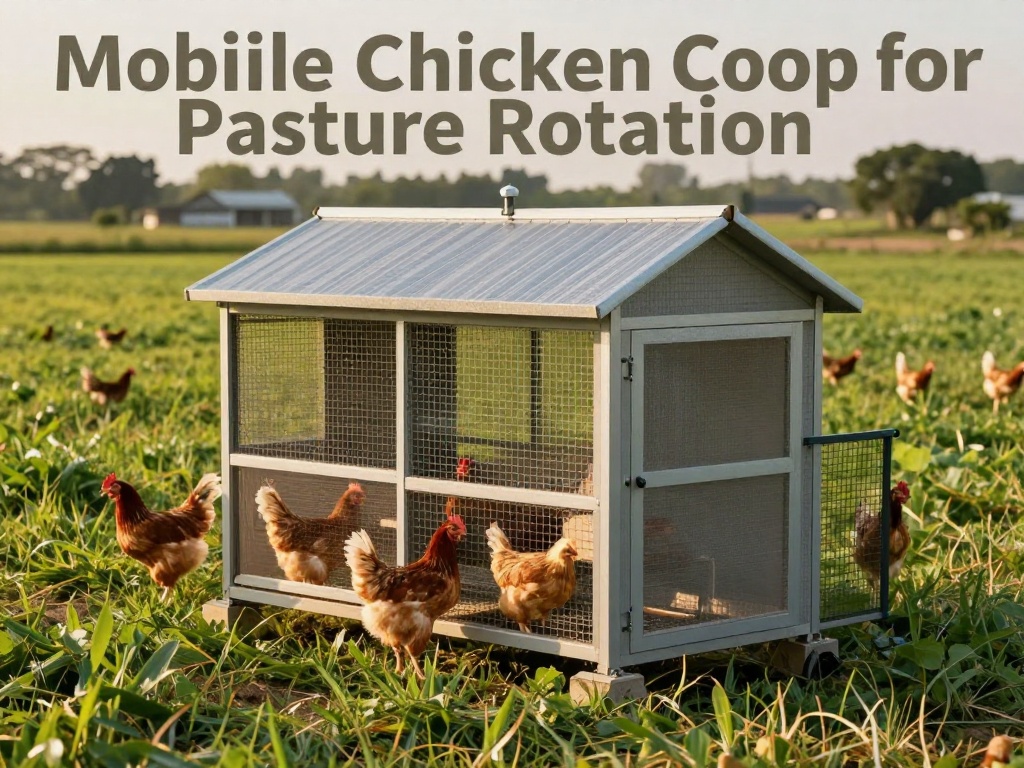
A mobile chicken coop for pasture rotation is a game-changing tool for small and mid-scale poultry farmers adopting regenerative farming practices. Unlike stationary coops that lock chickens to a single patch of land, these portable structures let you move your flock to fresh pasture every 1-3 days. This practice aligns with natural chicken foraging behaviors while delivering major benefits to your soil and bottom line.
Core Benefits of Mobile Coop Pasture Rotation
Boosts Soil Fertility Naturally
Chickens forage on grass, insects, and weeds, leaving behind nutrient-dense manure high in nitrogen, phosphorus, and potassium. A 2023 study from the University of Illinois found that rotational pasturing with mobile coops increases soil organic matter by 15% within 12 months, compared to stationary setups. This eliminates the need for many synthetic fertilizers, cutting input costs by up to 20% for small farmers.
Cuts Feed Costs and Improves Product Value
Free-range foraging lets chickens source 30-40% of their daily food from natural pasture sources, reducing reliance on expensive commercial feed. The same University of Illinois study also found that eggs from rotationally pastured chickens have 2x more omega-3 fatty acids than eggs from caged or stationary flock setups. This quality upgrade lets you charge a 30% premium at local farmers markets and farm stands.
Reduces Parasite and Pest Loads
Moving your flock to fresh pasture regularly breaks the life cycle of common poultry parasites like coccidia and roundworms, which build up in soil over time. This reduces the need for chemical dewormers, keeping your flock healthy and your meat or egg supply clean for consumers. Rotation also reduces pest pressure on your land, as chickens eat ticks and grasshoppers that would otherwise damage crops.
Key Features to Look for in a Mobile Coop
Lightweight But Predator-Resistant Build
The best mobile coops balance portability and protection. Look for models built with rot-resistant treated lumber or galvanized steel, with buried wire aprons to keep out foxes, raccoons, and coyotes. Most small-scale models for 10-20 birds weigh under 500 pounds, so you can move them with a small ATV, lawn tractor, or even by hand for smaller flocks.
Adequate Space for Your Flock Size
The USDA recommends 4 square feet of indoor coop space per chicken and 10 square feet of dedicated outdoor pasture space per bird for rotational setups. Overcrowding leads to stress, reduced egg production, and increased risk of disease, so size your coop to match your current flock and leave room for future growth.
Low-Maintenance, Accessible Design
Look for coops with removable drop trays under roosts to collect manure, and wide access doors for daily health checks. Simple designs with few moving parts require less ongoing maintenance, so you can spend more time managing your rotation and less time repairing your coop.
How to Build a Successful Rotation Schedule
Most small farmers move their mobile coop every 1-3 days, depending on flock size and pasture acreage. For a flock of 20 chickens, you’ll need roughly 1 acre of pasture to rotate through over a 6-month growing season. This schedule lets grass regrow fully before the flock returns, preventing overgrazing and soil erosion.
You can map your pasture into small, manageable sections using temporary electric fencing to section off new grazing areas as you move the coop. This adds an extra layer of predator protection while keeping your flock contained to the correct patch of land.
Frequently Asked Questions
How much does a mobile chicken coop for pasture rotation cost?
Entry-level DIY coops cost between $200-$500, while pre-built commercial models for 10-20 birds range from $1,000-$3,000. DIY builders save up to 60% on costs, and hundreds of free, beginner-friendly plans are available online to follow.
Can I use a mobile coop for meat birds, not just laying hens?
Mobile coops work equally well for meat birds like broilers and laying hens. Broilers benefit from the same foraging, parasite reduction, and health advantages, and many farmers use mobile coops to raise pastured broilers to meet growing demand for regeneratively raised poultry.
Do I still need to supplement feed for my rotationally pastured flock?
While chickens get 30-40% of their diet from foraging, you’ll still need to provide a balanced layer or meat bird feed to meet their full nutritional needs. You can add kitchen scraps and garden waste to supplement their diet for additional cost savings.
No comments