
Potato Seed Chitting for Northern Gardens: 2024 Proven Step-by-Step Guide
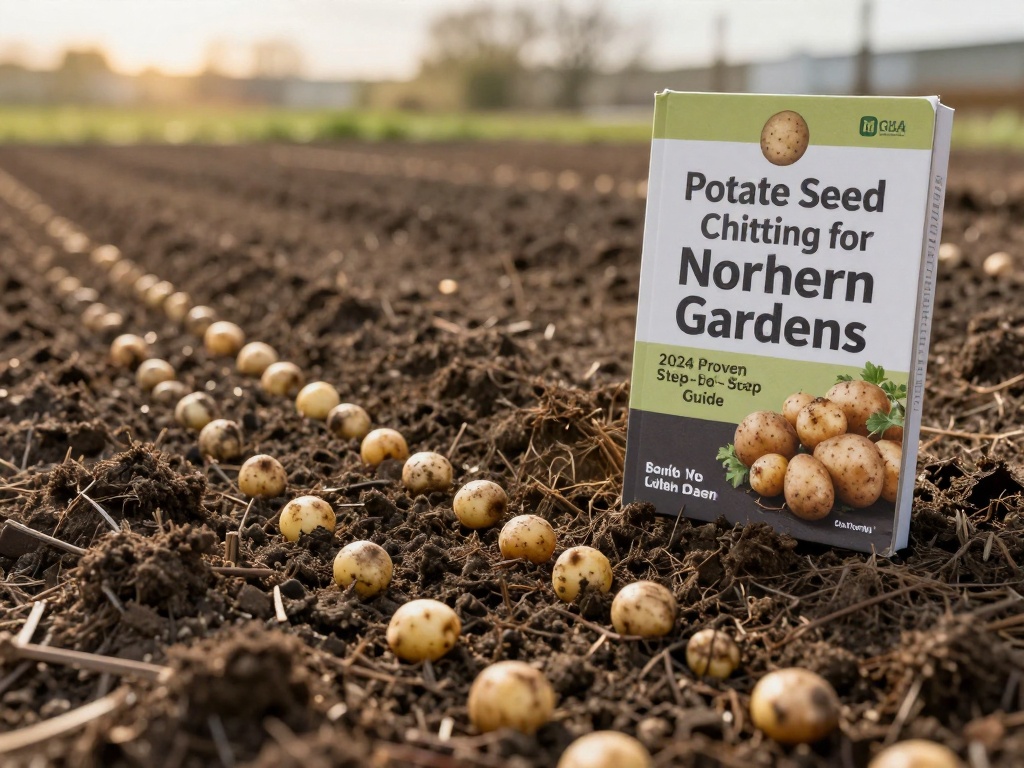
Potato Seed Chitting for Northern Gardens: 2024 Proven Step-by-Step Guide
Potato seed chitting for northern gardens is a critical practice to overcome the region’s biggest challenge: short, unpredictable frost-free growing seasons. Northern gardens across USDA zones 1-5, spanning most of Canada and the northern U.S., typically get only 90-110 frost-free days annually, per the 2023 USDA Plant Hardiness Zone Map. Chitting, or pre-sprouting seed potatoes before planting, adds 2-3 weeks of growing time, letting you harvest full-sized potatoes before the first fall frost hits.
Why Potato Seed Chitting Is Non-Negotiable for Northern Gardens
Beat the Region’s Short Frost-Free Window
Most maincrop potato varieties require 90-120 days to reach full maturity, per the 2024 University of Minnesota Extension guide to northern vegetable gardening. For many northern gardeners, that timeline is impossible to meet without pre-sprouting. Chitting cuts 2-3 weeks off the in-ground growing period, ensuring your potatoes have enough time to size up before mid-September frosts kill the vines.
Boost Yields and Reduce Disease Risk
Cornell Cooperative Extension data shows that properly chitted potatoes produce 15-20% higher yields than unchitted tubers planted at the same time. Chitting also lets you inspect and discard any seed potatoes that show signs of rot or blight before you plant them, preventing the spread of disease in your cool, moist northern garden soil.
Step-by-Step Guide to Chitting Potatoes for Northern Climates
Source Zone-Adapted Certified Seed Potatoes
Never use grocery store potatoes for chitting: most are treated with sprout inhibitors that prevent pre-sprouting, and many carry common potato diseases that can wipe out your crop. The Maine Organic Farmers and Gardeners Association (MOFGA) recommends early-maturing varieties for northern gardens, including Red Norland, Yukon Gold, and Superior, all of which mature in under 100 days.
Time Your Chitting for Your Local Last Frost Date
Start chitting 4-6 weeks before your area’s average last frost date. For most northern zones, that means starting chitting between late March and early April, right as spring days begin to lengthen. Starting too early leads to leggy, fragile sprouts that break during planting, while starting too late negates the growing season boost you need for a successful harvest.
Set Up and Maintain Your Chitting Trays
Arrange your seed potatoes in egg cartons or open seed trays with the rose end (the end with the most small indentations, or “eyes”) facing up. You don’t need soil or water to chit potatoes. Keep trays in a cool, bright space that stays between 45-55°F (7-13°C), like an unheated mudroom or enclosed porch, to grow short, sturdy sprouts that will thrive once planted.
Common Chitting Mistakes to Avoid
Exposing Sprouts to Extreme Temperatures
Never let your chitting trays drop below freezing, as this will kill the developing sprouts. Also avoid placing trays near radiators or in warm attics, which leads to thin, leggy sprouts that struggle to grow once planted in your garden beds.
Planting Tubers With Weak or Damaged Sprouts
Discard any tubers that grow mold or soft, discolored sprouts. Only plant potatoes with 3-5 thick, green 1-inch sprouts, as these will establish the fastest in cold northern spring soil, which warms up much slower than southern garden soils.
Frequently Asked Questions About Potato Seed Chitting for Northern Gardens
When should I start chitting potatoes for USDA Zone 3 gardens?
For Zone 3, where the average last frost is mid-May, start chitting in mid-March, 8 weeks before your planting date. Cooler average indoor temperatures in northern climates can slow sprouting, so adding an extra 2 weeks of chitting time ensures your tubers are ready to plant when the soil warms enough.
Can I chit potatoes if I only have a dark storage space?
No, chitting requires bright, indirect light to grow strong green sprouts. Sprouts grown in the dark are pale, leggy, and prone to breaking, leading to weak plant growth after planting. A north-facing window is an ideal low-light solution for most home gardeners.
Do I need to cut seed potatoes before chitting?
You can cut large seed potatoes (bigger than a golf ball) 2-3 days before chitting to let the cut end callous over, which prevents rot. Smaller seed potatoes can be chitted whole to simplify the process and support stronger early growth once you plant them in your garden.
No comments