
Pumpkin Vine Pruning for Higher Yields: 2024 Proven Tips to Boost Harvests
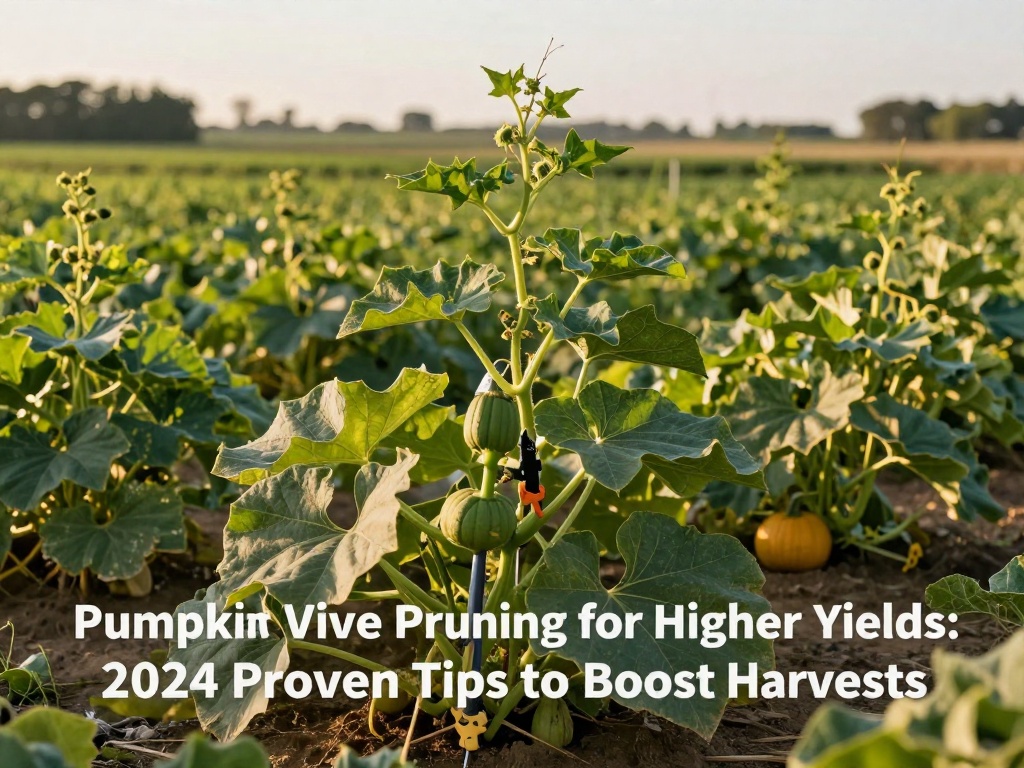
Pumpkin Vine Pruning for Higher Yields: 2024 Proven Tips to Boost Harvests
Pumpkin vine pruning for higher yields is a simple, science-backed practice that transforms underperforming garden and farm pumpkin patches. According to the University of Illinois Extension, properly pruned pumpkin vines produce 30-40% larger fruits and 20% more marketable pumpkins per plant than unpruned vines. Pruning directs the plant’s energy toward fruit development instead of wasting resources on excessive leaf and vine growth.
Why Prune Pumpkin Vines?
Many new pumpkin growers assume letting vines sprawl freely leads to more pumpkins, but that’s rarely the case. Unpruned vines produce dozens of small, unripe fruits that never reach maturity, as the plant can’t support their combined nutrient needs. Strategic pruning solves this problem by prioritizing the healthiest, best-positioned fruits on each plant.
Key Benefits of Strategic Pruning
- Cuts energy waste on non-productive vine growth, redirecting nutrients to developing pumpkins
- Reduces the risk of fungal diseases by improving air circulation around the plant’s base
- Makes pest management and harvesting easier by containing excessive vine spread
- Produces more uniformly sized, marketable pumpkins for small-scale farmers and home growers
Step-by-Step Pumpkin Vine Pruning Process
1. Identify the Main Vine and Your Target Fruits
Start pruning 2-3 weeks after transplanting, once your pumpkin plant has grown 10-15 true leaves and set its first 2-3 female flowers that have developed into small, pea-sized pumpkins. Locate the main primary vine, which is thicker than secondary side vines, and mark 2-3 of the healthiest fruits to keep. For standard pie pumpkins, limit each plant to 2-3 fruits; for giant contest pumpkins, limit to 1 fruit per vine to maximize size, per Ohio State University Extension guidelines.
2. Prune All Secondary Side Vines
Use clean, sharp pruning shears to cut all secondary side vines that grow off the main vine. These side vines rarely produce high-quality fruits and drain critical nutrients from the main vine’s developing pumpkins. Leave a 1-inch stub when cutting to avoid damaging the main vine’s vascular system, which can lead to rot or pest infestations.
3. Trim the Main Vine’s Growing Tip
Once your chosen fruits have reached softball size, trim the main vine’s growing tip 10-15 leaves past the last fruit. This stops the vine from growing longer, forcing all of the plant’s energy into ripening the existing pumpkins. This step is critical for growing pumpkins that reach their full genetic size and weight before the first fall frost.
4. Remove Damaged or Diseased Foliage
Throughout the growing season, regularly remove any yellowed, spotted, or rotting leaves. This improves air flow, reduces the spread of powdery mildew and other common pumpkin diseases, and keeps the plant focused on fruit production. Always disinfect your shears between plants to avoid spreading pathogens across your patch.
Common Pruning Mistakes to Avoid
Even well-meaning growers can make mistakes that reduce yields instead of boosting them. The most common error is pruning too early, before the plant has set enough female flowers to choose high-quality fruits. Another mistake is leaving too many fruits per vine, which leads to stunted growth and low-quality pumpkins that never reach maturity. Pruning too late in the season, when vines are already putting all their energy into ripening fruits, also has little to no yield benefit.
Frequently Asked Questions
When is the best time to start pruning pumpkin vines?
Start pruning pumpkin vines 2-3 weeks after transplanting, once the plant has grown 10-15 true leaves and set its first small female fruits. This timing ensures you don’t accidentally remove viable fruiting sites that could produce high-quality pumpkins.
Can I prune pumpkin vines to save space in small backyard gardens?
Absolutely. Pruning side vines and trimming the main vine’s growing tip contains vine spread, making it possible to grow pumpkins in raised beds or small backyard patches. Dense planting with pruned vines can increase yields per square foot of garden space by up to 60%, per Oregon State University research.
Does pruning work for all pumpkin varieties?
Yes, pruning works for all pumpkin varieties, from small sugar pie pumpkins to giant 1,000+ pound contest pumpkins. You only need to adjust the number of fruits you leave per vine: small ornamental or pie pumpkin varieties can support 4-6 fruits, while giant varieties should only have 1 fruit per vine to maximize size and quality.
No comments