
Sheep Mineral Supplementation for Winter Pastures: 2024 Essential Guide
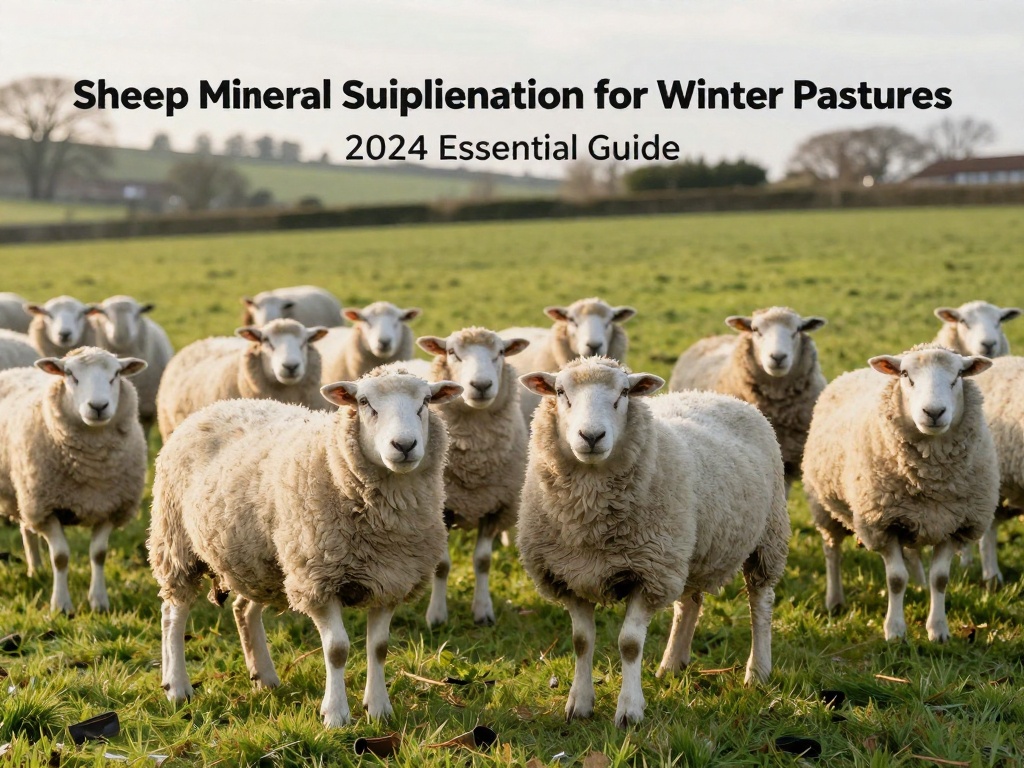
Sheep Mineral Supplementation for Winter Pastures: 2024 Essential Guide
Sheep mineral supplementation for winter pastures is non-negotiable for flock owners looking to protect their animals through cold, low-forage seasons. Winter pastures typically lack key nutrients that sheep get from lush summer grazing, leading to common deficiencies that can harm growth, reproduction, and immune function. The United States Department of Agriculture (USDA) reports that 60% of small-scale sheep operations see preventable health issues in winter due to insufficient mineral intake.
Why Winter Pastures Fail to Meet Sheep’s Mineral Needs
Dormant winter pastures do not offer the same nutrient profile as growing forage, leaving gaps that only targeted supplementation can fill. Unlike spring and summer grass, winter grass, hay, and crop residues lack bioavailable minerals that sheep require to thrive.
Low Nutrient Density of Dormant Forage
Dormant cool-season grasses and stored hay lose up to 70% of their original trace mineral content by mid-winter, according to University of Minnesota Extension research. Key minerals like selenium, copper, zinc, and calcium, which support immune function and bone health, are often depleted in frozen or cured forage. Even high-quality hay rarely meets 100% of a sheep’s mineral requirements for the winter months.
Cold Weather Increases Mineral Demand
Sheep burn more calories to stay warm in freezing temperatures, which also raises their need for critical minerals to support metabolic function. Pregnant and lactating ewes have even higher requirements, as they pass minerals to their developing lambs. A lack of sufficient minerals during this high-demand period can lead to pregnancy toxemia, weak lambs, or increased mortality.
Key Minerals Your Sheep Need in Winter
Not all supplements are created equal. Prioritize these minerals to address the most common gaps in winter pasture nutrition and keep your flock healthy all season long.
Non-Negotiable Trace Minerals
Selenium and copper top the list of critical trace minerals for winter sheep. Selenium prevents white muscle disease, a common winter condition that causes muscle weakness and death. Copper supports wool growth, immune function, and reproduction, with deficiencies leading to increased parasite susceptibility and poor lamb survival. Zinc is another key trace mineral that supports wound healing and respiratory health, critical for sheep in crowded winter conditions.
Macro Minerals for Winter Flock Health
Macro minerals like calcium, phosphorus, and salt are equally important for winter flock health. Calcium supports bone development in growing lambs and prevents milk fever in lactating ewes. Phosphorus works with calcium to support energy metabolism, while free-choice salt encourages consistent mineral intake and prevents dehydration, a common issue in cold, dry winter air.
Best Practices for Implementing a Winter Mineral Program
A successful mineral program is more than just leaving a tub out in the pasture. Follow these evidence-based best practices to ensure your sheep get the nutrients they need.
Choose a Species-Specific Supplement
Never use cattle mineral supplements for sheep, as cattle supplements often contain high levels of copper that can be toxic to sheep. Opt for supplements formulated specifically for sheep, with balanced calcium to phosphorus ratios and appropriate selenium levels to avoid deficiencies or toxicities. The National Research Council (NRC) recommends sheep supplements contain 0.1-0.3 ppm of selenium for most operations.
Place Minerals for Easy, Protected Access
Place mineral feeders in sheltered areas near sheep’s main water sources and loafing spots to encourage regular intake. Protect minerals from rain and snow to prevent leaching, which can render them useless by mid-winter. Check feeders daily to ensure they don’t freeze over or run out, especially during extreme cold snaps.
Test Forage to Customize Supplements
Test your winter pasture and hay for mineral content before buying supplements, to avoid over-supplementing or missing key gaps. Local extension offices offer affordable forage testing that can tell you exactly which minerals your forage is lacking, so you can choose a supplement tailored to your farm’s specific needs. This practice can reduce supplement costs by up to 25% annually, according to Ohio State University Extension research.
Frequently Asked Questions
How much mineral supplement should I feed my sheep in winter?
Most mature sheep consume 0.5 to 1 ounce of mineral supplement per day. Free-choice feeding allows sheep to self-regulate their intake to meet their individual needs, which is ideal for mixed flocks of pregnant, growing, and mature sheep.
Can I add minerals to my sheep’s grain instead of using free-choice feeders?
You can mix minerals into grain, but free-choice access is preferred to ensure all sheep, even those that don’t eat much grain, get enough minerals. This is especially important for sheep that spend most of their time on pasture, rather than in a barn feeding on grain.
What are the first signs of a mineral deficiency in winter sheep?
Common early signs include poor wool quality, reduced appetite, weak lambs, and increased instances of respiratory or parasitic infections. If you notice these signs, test your flock’s blood mineral levels and adjust your supplementation program immediately.
No comments