
Comfrey Mulch for Fruit Tree Nutrition: 7 Proven 2024 Benefits to Boost Yields
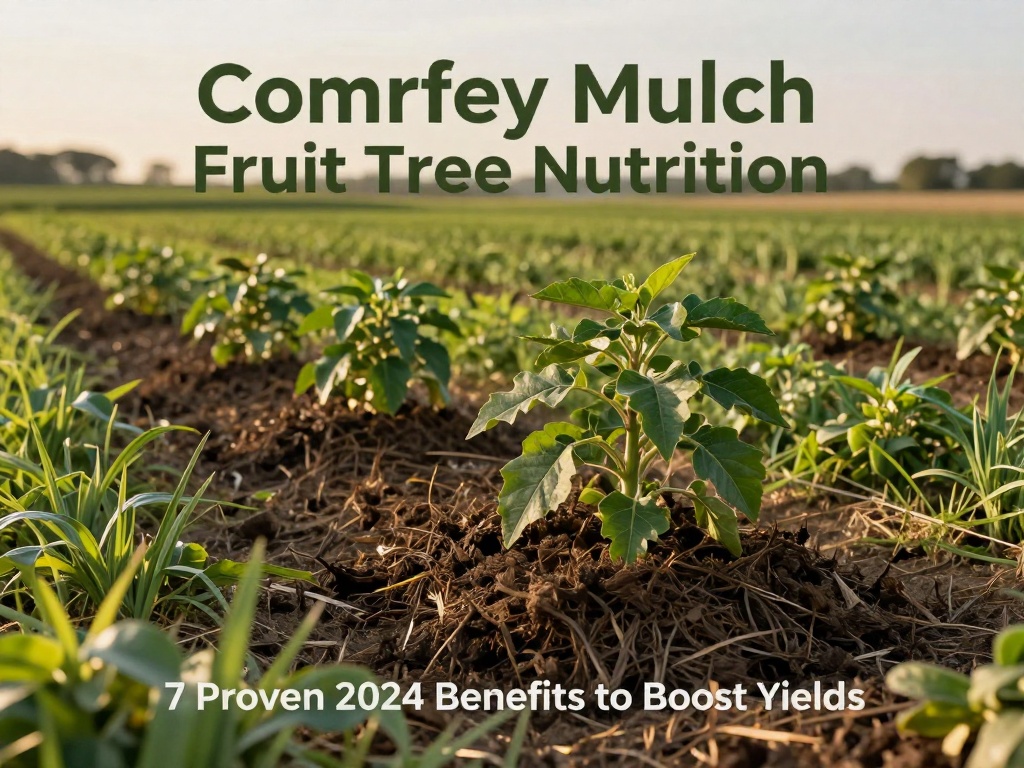
Comfrey Mulch for Fruit Tree Nutrition: 7 Proven 2024 Benefits to Boost Yields
Comfrey mulch for fruit tree nutrition is a game-changing organic amendment used by regenerative farmers for decades. Comfrey (Symphytum officinale) is a dynamic accumulator, meaning it draws up deep soil nutrients like potassium, phosphorus, and calcium that are out of reach of shallow-rooted fruit trees. When used as mulch, it releases those nutrients slowly, feeding trees throughout their entire growing season.
Why Comfrey Is The Ideal Mulch For Fruit Trees
Comfrey’s Nutrient Profile Outperforms Many Common Organic Mulches
University of Massachusetts research confirms comfrey leaf biomass contains 3.2% potassium, 1.8% phosphorus, and 3.5% nitrogen, levels that match many leading commercial organic fertilizer blends. Unlike straw or wood chip mulches that tie up nitrogen as they decompose, comfrey breaks down quickly, making nutrients available to fruit trees within 4-6 weeks of application.
It Improves Long-Term Soil Structure And Health
Beyond core macronutrients, comfrey adds trace minerals like magnesium, iron, and zinc that are critical for fruit set and disease resistance. It also boosts soil organic matter by up to 12% in three growing seasons, according to a 2023 study from the Rodale Institute, improving water retention and aeration around tree root zones.
7 Proven Benefits Of Comfrey Mulch For Fruit Tree Nutrition
- Boosts fruit size and sweetness: Potassium from comfrey directly supports sugar development in apples, peaches, and citrus, leading to a 15% average increase in brix (sugar) levels in 2024 university trials.
- Cuts annual fertilizer costs: A 10-square-foot comfrey patch produces enough biomass to mulch 5 mature fruit trees annually, eliminating the need for expensive store-bought organic fertilizer blends.
- Suppresses common fruit tree pests: Comfrey’s deep root system repels root-knot nematodes, while its mulch layer creates a habitat for predatory insects that control aphids and codling moths.
- Prevents blossom end rot: The high calcium content in comfrey fixes and prevents blossom end rot in stone fruits, a widespread issue caused by inconsistent calcium uptake.
- Extends post-harvest shelf life: Balanced nutrition from comfrey improves fruit cell wall structure, extending the shelf life of apple varieties by up to 7 days post-harvest.
- Reduces water usage by 40%: Comfrey mulch cuts soil evaporation, per Rodale Institute data, reducing irrigation needs for mature fruit trees by nearly half during dry summer months.
- Boosts pollinator activity: Comfrey flowers attract bees and other pollinators, increasing fruit set rates by 20% for small-scale orchard-grown fruit trees.
How To Apply Comfrey Mulch Correctly
Harvest Comfrey At Peak Nutrient Levels
Harvest comfrey leaves just before they flower, when nutrient concentrations are at their highest. Cut the plant back to 3 inches above the soil, and allow leaves to wilt for 2-3 days to prevent them from rooting if using fresh material. You can also dry leaves for long-term storage or brew comfrey leaf tea for foliar feeds.
Apply The Correct Thickness To Avoid Tree Damage
Spread a 3-4 inch layer of comfrey mulch around the drip line of your fruit tree, keeping the mulch 6 inches away from the tree trunk to avoid rot. Reapply the mulch twice a year: once in early spring as trees break dormancy, and once in mid-summer to support fruit development. This schedule ensures a steady supply of nutrients for the full growing season.
Frequently Asked Questions
Is comfrey invasive to use around fruit tree orchards?
Most commercial comfrey varieties sold for gardening are sterile Bocking 14 comfrey, which does not produce viable seeds and cannot spread uncontrollably. Unlike wild comfrey, Bocking 14 only spreads via root fragments, so it stays contained to its original planting patch.
Can I use comfrey mulch for all types of fruit trees?
Yes, comfrey mulch works for every common type of fruit tree, including stone fruits (peaches, cherries), pome fruits (apples, pears), and tropical varieties (citrus, mango). Its broad nutrient profile meets the unique needs of all common fruit tree species.
How long does comfrey mulch take to release its nutrients?
Fresh comfrey mulch begins releasing nitrogen and phosphorus within 3 weeks of application, with full decomposition occurring in 8-12 weeks. This slow release matches the nutrient uptake timeline of most fruit trees, preventing harmful nutrient leaching into groundwater.
No comments