
2024 Proven Guide to Poultry Litter Amendment for Corn Fertility
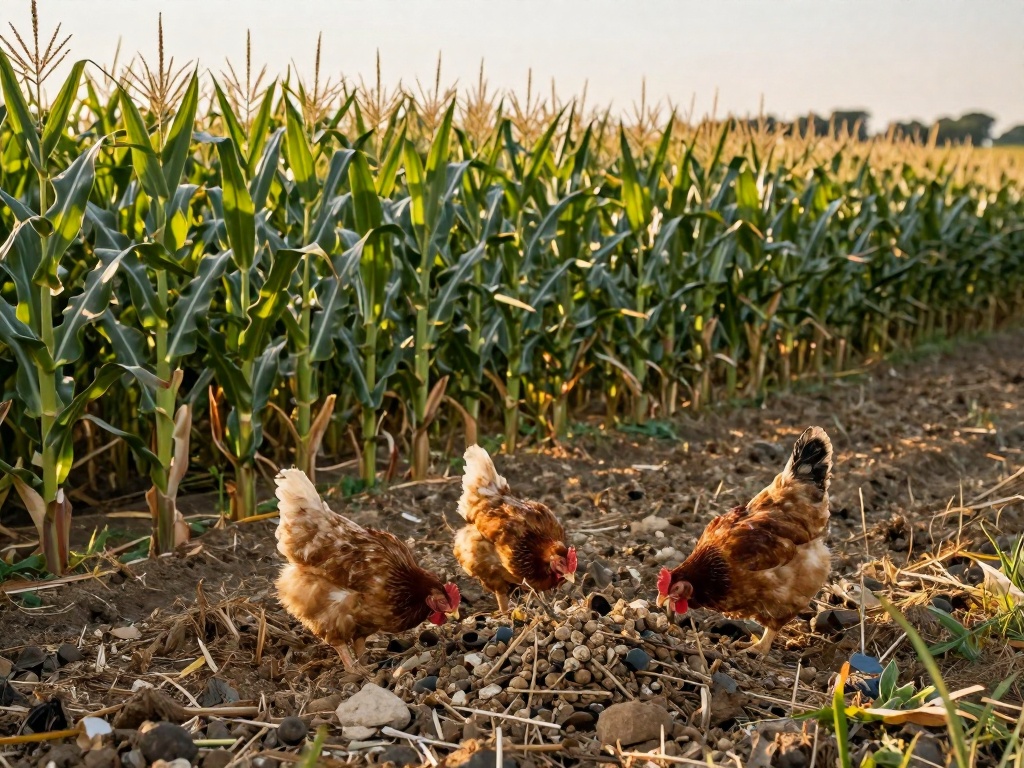
2024 Proven Guide to Poultry Litter Amendment for Corn Fertility
Poultry litter amendment for corn fertility is a fast-growing sustainable practice that repurposes poultry industry waste to replace synthetic fertilizers, cut farm costs, and boost corn grain yields. A 2023 University of Illinois study found that well-managed poultry litter applications can meet 100% of a corn crop’s nitrogen, phosphorus, and potassium needs for most Midwest U.S. soils. This circular practice creates value for both poultry producers managing waste and corn growers facing rising input costs.
Core Benefits of Poultry Litter for Corn Production
Cuts Synthetic Fertilizer Expenses
2024 USDA data shows average commercial nitrogen prices rose 12% year-over-year, putting significant strain on corn growers’ bottom lines. Poultry litter costs roughly 60% less per pound of available nitrogen than synthetic urea, when accounting for transportation and application fees. Many regional nutrient management programs even subsidize litter transport to crop farms to reduce waste stockpiling at poultry operations.
Improves Long-Term Soil Health
Unlike synthetic fertilizers that only deliver targeted nutrients, poultry litter adds organic matter that feeds soil microbes, improves water retention, and reduces erosion. A 2022 Iowa State University study found that 5 consecutive years of annual poultry litter applications increased soil organic matter by 18% in continuous corn fields. That boost in organic matter also raises corn’s drought resilience, a critical advantage in a changing climate.
Reduces Agricultural Waste Burdens
U.S. poultry farms produce over 15 million tons of litter annually, per USDA Natural Resources Conservation Service (NRCS) estimates. Without safe crop repurposing, this waste is often stockpiled, risking nutrient runoff into local waterways. Repurposing litter as a corn fertility amendment turns a waste liability into a high-value crop input that supports circular agricultural systems.
Best Practices for Effective, Safe Litter Application
Test Soil and Litter Before Application
Always test both your field’s soil and your poultry litter’s nutrient content 3 months before planting to avoid overapplication. Litter nutrient levels vary by poultry species, bedding material, and farm management, so generic application rates can lead to excess phosphorus buildup that risks runoff. Soil tests will also reveal existing nutrient levels to tailor litter rates to your corn’s yield goals.
Time and Incorporate Litter Properly
Apply litter in early spring 2-3 weeks before corn planting, or late fall immediately after harvest to avoid nutrient loss. University of Minnesota research found that spring, incorporated litter applications deliver 15% more available nitrogen to corn than unincorporated winter applications on frozen ground. Inject or till litter into the top 6 inches of soil within 24 hours of application to cut nitrogen volatilization losses that can reach 30% for surface-applied litter.
Follow Food Safety Guidelines
Adhere to FDA Food Safety Modernization Act (FSMA) rules for raw manure application, which require a 90-day interval between litter application and corn harvest to reduce pathogen risks. Composted litter, which reaches internal temperatures high enough to kill E. coli and salmonella, is a preferred option for growers selling into organic or food-safety-focused supply chains.
Frequently Asked Questions
How much poultry litter do I need per acre for corn?
Most corn crops require 1 to 2 tons of tested poultry litter per acre, depending on your soil’s existing nutrient levels and expected corn yield. For a corn crop targeting 200 bushels per acre, you will need roughly 1.5 tons of standard poultry litter to meet the crop’s total nitrogen requirement of 1.2 pounds of nitrogen per bushel.
Can poultry litter be used for organic corn production?
Yes, poultry litter is an approved fertility amendment for organic corn when sourced and processed to meet USDA organic standards. Composted litter is the most common form used for organic production, as it meets food safety requirements and releases nutrients slowly to align with corn’s growing season needs.
Is poultry litter amendment really more cost-effective than synthetic fertilizers?
A 2024 Purdue University analysis found that poultry litter amendment reduces annual corn fertility costs by an average of 35% compared to full synthetic nitrogen and phosphorus application rates. Those savings hold even after accounting for transportation, testing, and application fees, making it one of the most cost-effective fertility options for corn growers today.
No comments