
Beehive Placement for Small Orchard Pollination: 2024 Pro Tips to Boost Yields
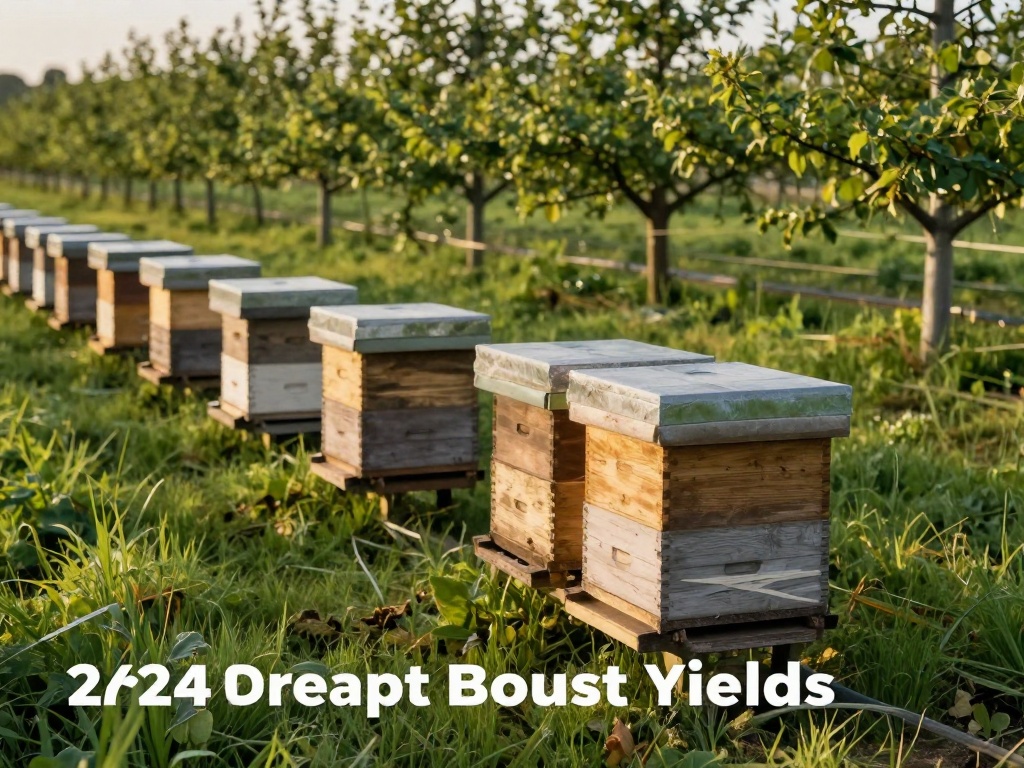
Beehive Placement for Small Orchard Pollination: 2024 Pro Tips to Boost Yields
Correct beehive placement for small orchard pollination is the single most impactful step small-scale orchard owners can take to boost fruit set, increase yields, and support long-term pollinator health. Unlike large commercial orchards that can space hives across dozens of acres, small orchards (usually 5 acres or less, per USDA data) face unique spacing and microclimate challenges that make strategic hive placement non-negotiable. Even with high-quality honeybee or bumblebee hives, poor placement can cut pollination rates by up to 40%, according to 2023 research from the University of Georgia Extension.
Core Principles for Strategic Beehive Placement
Prioritize South-Facing, Elevated Spots
South-facing hive locations receive maximum morning sunlight, which wakes foraging bees 30-60 minutes earlier than shaded hives, extending their daily pollination window. Elevate hives 1-2 feet off the ground to avoid moisture buildup, rodent damage, and spring flooding that can disrupt hive activity. This is especially critical for small orchards in temperate regions with high annual rainfall.
Space Hives to Eliminate Pollination Gaps
For most small orchards (1-5 acres), you only need 2-3 healthy hives to achieve full pollination, per Penn State Extension guidelines. Space these hives no more than 100 yards apart, and position them so no part of your orchard is more than 300 yards from a hive. Honeybees rarely travel farther than necessary, so central or evenly spaced hives eliminate gaps in pollination that lead to sparse fruit set on edge trees.
Avoid Wind and Toxic Proximity Risks
Winds exceeding 15 mph reduce foraging activity by 70%, so place hives behind a natural windbreak like a hedgerow, fence line, or row of evergreen trees. Never place hives within 100 feet of areas you treat with synthetic pesticides, even if you apply treatments outside of bloom season. Residual pesticide drift can weaken or kill entire hives, undoing your pollination plans.
Common Placement Mistakes to Avoid
Even well-meaning orchard owners make simple errors that undermine their pollination success. Steering clear of these mistakes saves you time, money, and hundreds of pounds of lost fruit yields each season.
Placing Hives Near Competing Forage
Dandelions, clover, and other wild flowering plants that bloom at the same time as your orchard’s fruit trees can draw bees away from your crops if hives are placed near these competitors. Site hives within your orchard’s tree rows, not adjacent to large stands of competing wildflowers, to encourage bees to target your apple, peach, or cherry blossoms first.
Using One-Size-Fits-All Placement for All Pollinators
If you use bumblebee hives instead of honeybees, adjust your placement: bumblebees prefer partial shade over full sun, and can forage in cooler, wetter conditions than honeybees. For mixed species hives, space bumblebee hives 50 feet apart from honeybee hives to avoid territorial conflicts that reduce overall foraging activity.
Frequently Asked Questions
When is the best time to place beehives in my small orchard?
Place hives in your orchard no earlier than 5% of your fruit tree blossoms have opened. This prevents bees from acclimating to other nearby forage before your orchard is in full bloom, and reduces the risk of exposing hives to late spring frost events. Remove hives 3-5 days after full bloom ends to avoid any pesticide exposure during post-bloom orchard maintenance.
How many hives do I need for a 1-acre small orchard?
Per University of California Agriculture and Natural Resources guidelines, a 1-acre orchard of apples, cherries, or peaches needs 2-3 strong honeybee hives to achieve 90%+ fruit set. If you grow self-sterile varieties that require cross-pollination, add 1 extra hive to account for increased pollination demand.
Can I move beehives mid-bloom if I notice poor pollination?
Yes, you can safely move hives short distances (less than 3 miles) mid-bloom, but only move them after dusk when all foraging bees have returned to the hive. Secure the hive entrance to prevent bees from escaping during transport, and place them in the new location overnight to allow the colony to reorient to their new surroundings by morning.
No comments