
Straw Mulch for Fall Garlic Planting: 2024 Pro Guide to Larger Harvests
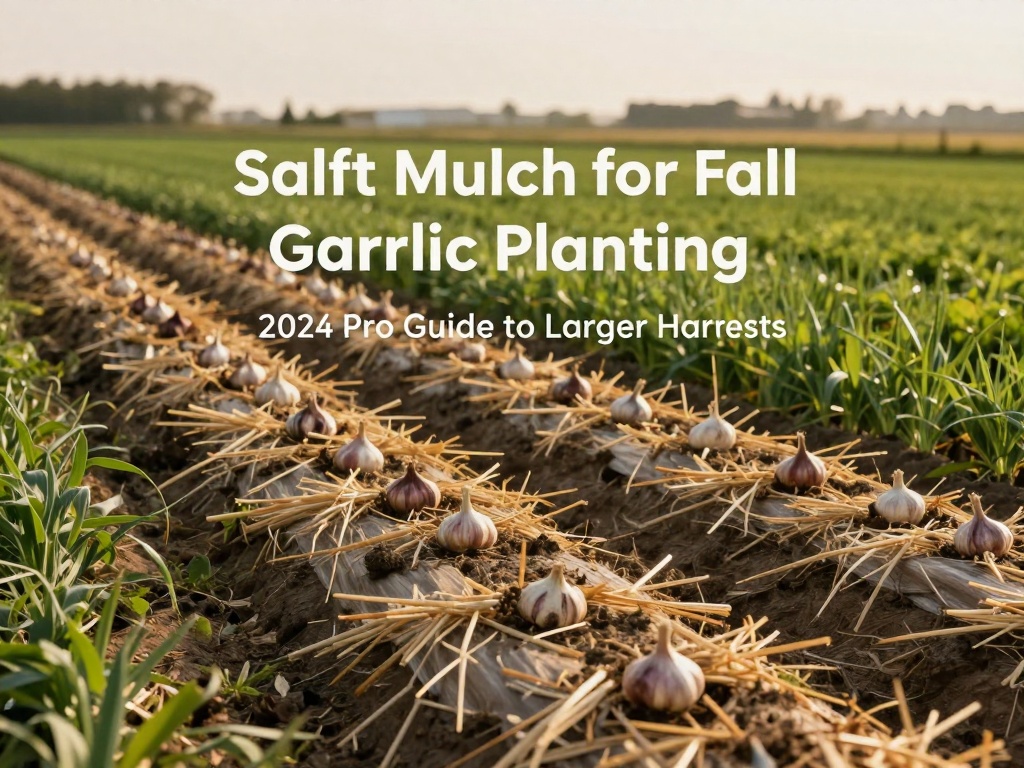
Straw Mulch for Fall Garlic Planting: 2024 Pro Guide to Larger Harvests
Fall garlic planting is a staple for home gardeners and small-scale commercial farmers across North America, and straw mulch for fall garlic planting is one of the highest-impact, low-effort steps you can take to protect your crop. The University of Illinois Extension reports that properly mulched garlic yields are 20-30% higher than unmulched plots, thanks to improved winter survival and reduced weed competition. This guide breaks down everything you need to know to use straw mulch correctly for your fall garlic crop.
Why Straw Mulch Beats Other Mulches for Fall Garlic
Insulates Against Dangerous Winter Temperature Swings
Garlic requires 40-60 days of cold vernalization to form large bulbs, but sudden freeze-thaw cycles can push unprotected cloves out of the soil, killing them before spring. Straw’s natural air pockets keep soil temperatures stable, preventing frost heave even when air temperatures swing 30°F or more in a single week, per Penn State Extension.
Suppresses Weeds Without Synthetic Inputs
Winter weeds like chickweed and henbane compete with young garlic shoots for nutrients and sunlight as soon as spring arrives. A thick layer of straw blocks all incoming sunlight, stopping 90% of common winter weeds from germinating in your garlic bed. This eliminates the need for time-consuming hand-weeding or synthetic herbicides early in the growing season.
Adds Valuable Organic Matter to Soil
Unlike plastic or landscape fabric mulches, straw breaks down slowly over 6-8 months. As it decomposes, it adds carbon-rich organic matter to your soil, improving drainage, tilth, and nutrient retention for your garlic crop and any plants you grow in the same bed the following year.
How to Apply Straw Mulch Correctly for Fall Garlic
Time Your Application to Avoid Common Risks
Wait to apply straw mulch until 2-3 days after your area’s first hard frost, defined as a sustained temperature of 28°F or lower, according to Oregon State University Extension. Applying mulch too early can trap excess moisture around newly planted cloves, leading to rot, or create a warm nesting spot for rodents before the ground freezes solid.
Use the Recommended 4-6 Inch Depth
Spread a loose, not packed, layer of straw 4-6 inches thick across your entire garlic bed. Packed straw restricts airflow and holds too much moisture, while layers thinner than 4 inches won’t provide enough insulation to protect cloves from deep winter freezes. Never use hay, which often contains viable weed seeds that will sprout in your bed.
Secure Mulch for Windy Climates
If you live in a region with strong winter winds, lay lightweight chicken wire or use landscape staples to pin the straw in place. Wind can blow loose straw off your bed mid-winter, leaving your garlic cloves exposed to freezing temperatures. This simple step takes 10 minutes and prevents total crop loss in harsh conditions.
Common Mistakes to Avoid With Straw Mulch
Removing Mulch Too Late in Spring
Once soil temperatures reach 50°F in early spring, pull back about half of the straw to let the soil warm and garlic shoots emerge easily. Leaving all the mulch in place can slow growth by 1-2 weeks, leading to smaller bulbs at harvest time. You can leave the remaining straw to continue suppressing weeds through the spring.
Sourcing Unverified Straw
Always ask for certified weed-free straw from local suppliers. Some large-scale farms treat straw with persistent herbicides that can linger in the soil and damage your garlic or subsequent crops. If you’re growing organic garlic, confirm your straw is certified organic for use in food production.
Frequently Asked Questions
Can I use shredded leaves instead of straw mulch for fall garlic planting?
Shredded leaves can work in a pinch, but they compact easily, which blocks airflow and traps excess moisture that leads to clove rot. If you only have leaves, shred them thoroughly and mix them with a small amount of straw to improve their structure and insulation properties.
How much straw do I need for a 10x10 foot garlic bed?
A standard 50-pound wheat straw bale is enough to cover a 10x10 foot garlic bed to the recommended 4-6 inch depth. Buy an extra quarter-bale if you’re planting in a windy area, or if you want to add a bit of extra depth for regions with extremely cold winters.
Does straw mulch increase rodent risk around my garlic crop?
Straw can only attract rodents if applied too early, before the ground freezes solid. To reduce risk, wait to apply mulch until after your first hard frost, and avoid piling extra straw near the edges of your garden. Adding a small owl or hawk box can also naturally control rodent populations long-term.
No comments