
Drip Tape Maintenance for Small Farms: 2024 7-Step Proven Guide
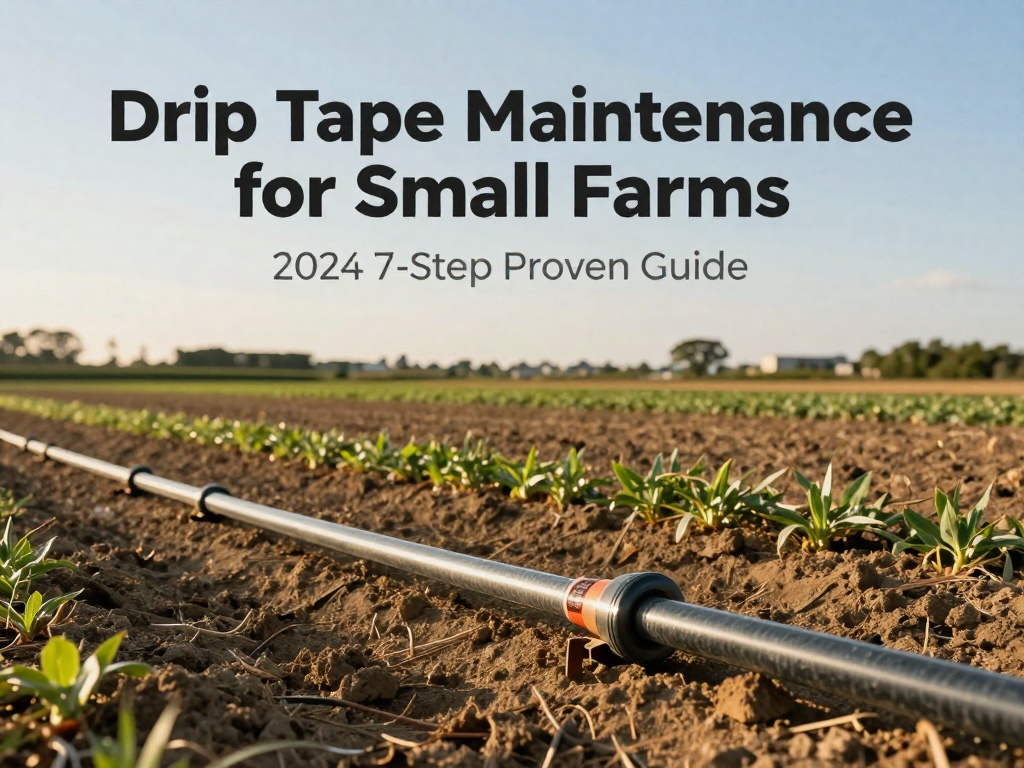
Drip Tape Maintenance for Small Farms: 2024 7-Step Proven Guide
Drip irrigation systems save small farms up to 50% more water than traditional sprinklers, per U.S. Department of Agriculture (USDA) data, but only if cared for properly. Regular drip tape maintenance for small farms prevents clogs, leaks, and premature system failure that can derail growing seasons and cut into thin profit margins. Even low-cost drip tape setups can last 3-5 years with consistent, simple care.
Why Drip Tape Maintenance Matters for Small-Scale Operations
Reduces Avoidable Operational Costs
Small farms operate on average 10% profit margins, per the National Agricultural Statistics Service (NASS), so unexpected $500-$1,000 system replacements are a major financial burden. Routine maintenance costs less than $50 a year in supplies, far offsetting the cost of full system replacements. This small investment also keeps your farm eligible for many state water efficiency grants that require regular system upkeep.
Improves Crop Yield Consistency
Clogged emitters create uneven water distribution, leading to stunted growth in 20-30% of crop rows, per University of California Division of Agriculture and Natural Resources studies. Consistent maintenance keeps water flow even across all rows, supporting uniform growth and reliable harvests that you can count on to meet buyer demands.
Boosts Sustainable Water Use
Drip systems already cut water use by 40-50% compared to overhead sprinklers, but unmaintained systems waste 15% more water annually due to leaks and uneven flow. For farms in drought-prone regions, that wasted water can mean falling short of state-mandated usage limits or losing access to critical irrigation allocations.
7-Step Proven Drip Tape Maintenance Routine
Step 1: Flush Lines Weekly
Every week, open the end caps of your main supply lines and drip tape rows to flush out sediment, algae, and organic debris that builds up during regular use. Run the system for 5-10 minutes to clear all buildup, then cap the lines securely. This simple step eliminates 70% of common emitter clogs before they cause issues.
Step 2: Test Emitter Flow Monthly
Every 30 days, place a small measuring cup under 10 random emitters across your farm to test flow rates. If any emitter releases 20% less water than the manufacturer’s listed rate, it’s at risk of full clogging and needs targeted cleaning. Catching this early prevents widespread water unevenness across your rows.
Step 3: Clean Filters Bi-Monthly
Most drip tape systems have screen or disc filters that catch large sediment before it reaches emitters. Clean these filters every two weeks to prevent pressure buildup that can crack drip tape or reduce system-wide flow. For farms in sandy soil regions, clean filters weekly to keep up with higher sediment levels in your water source.
Step 4: Treat for Algae Quarterly
Algae growth is a common issue in warm, sun-exposed supply lines. Every three months, run a food-grade hydrogen peroxide solution through your system to kill algae and biofilm without harming crops or soil health. Follow the manufacturer’s dilution rates to avoid accidental plant damage.
Step 5: Inspect for Damage Bi-Weekly
Walk your rows every two weeks to check for tears, holes, or leaks in drip tape, often caused by farm equipment, wildlife, or extreme weather. Patch small leaks with waterproof drip tape repair tape, and replace short damaged sections that can’t be patched to avoid unnecessary water waste.
Step 6: Winterize Systems Before Freezing Temperatures
For farms in regions with winter frost, drain all water from supply lines and drip tape before the first freeze. Store drip tape indoors or cover it with a waterproof tarp to prevent cracking from expanding ice. If you leave tape in the field, blow out all remaining water with a small air compressor to eliminate freeze damage risk.
Step 7: Conduct a Full System Audit Annually
At the end of every growing season, test every component of your drip system to identify worn parts that need replacement before the next planting. This audit includes checking pressure regulators, filters, and overall tape lifespan to plan for any upgrades needed ahead of spring planting.
Following this simple maintenance routine keeps your drip system running efficiently for years, supporting your small farm’s profitability and long-term sustainability. Even busy small farm owners can carve out a few hours a month to complete these tasks, with rewards that far outweigh the time investment.
Frequently Asked Questions About Drip Tape Maintenance
How often should I replace my farm’s drip tape?
Most high-quality drip tape lasts 3-5 years with regular maintenance, per USDA agricultural engineering guidelines. If you notice frequent leaks, persistent clogs that can’t be cleared, or uneven flow across more than 30% of your rows, it’s time to replace your tape to avoid crop yield losses.
Can I use household bleach to clean my drip tape system?
While bleach can kill algae, it can also harm beneficial soil microbes and leave toxic residues that impact edible crops. We recommend food-grade hydrogen peroxide or manufacturer-approved drip system cleaners to keep your crops, soil, and customers safe.
What is the leading cause of premature drip tape failure on small farms?
The top cause of early drip tape failure, cited in 60% of small farm system breakdowns by the National Sustainable Agriculture Coalition (NSAC), is skipped regular flushing and filter cleaning. Sediment buildup clogs emitters and increases system pressure, leading to cracks and leaks that render tape unusable long before its expected lifespan.
No comments