
Drip Irrigation Setup for Small Farms: 2024 Step-by-Step Cost-Effective Guide
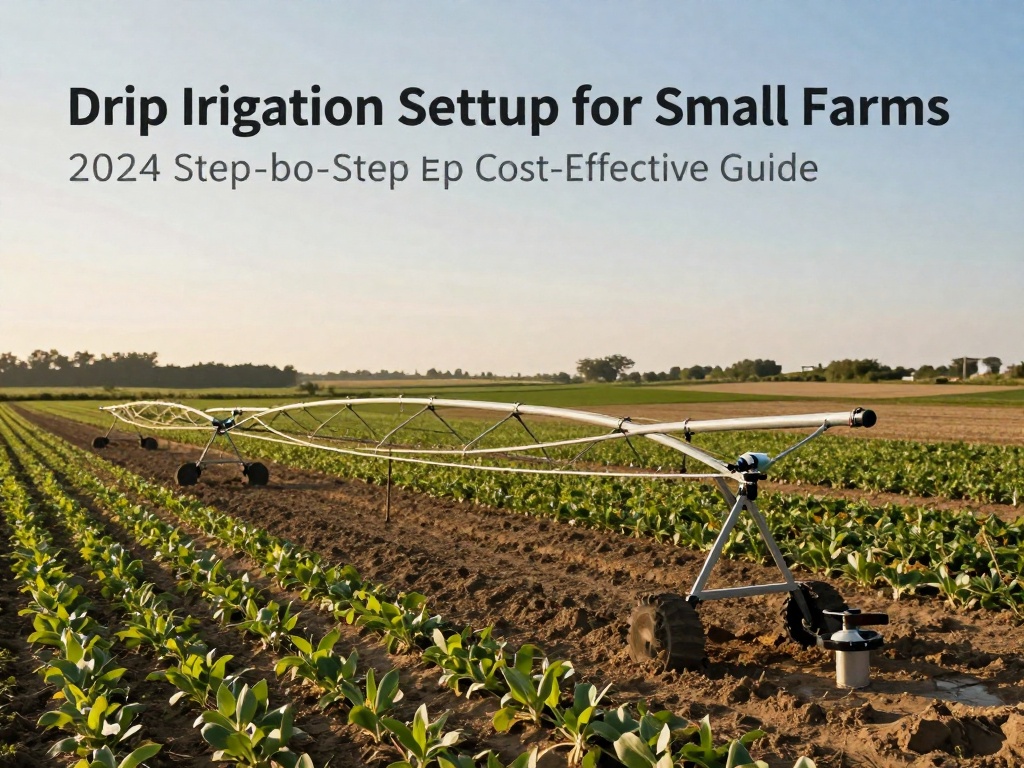
Drip Irrigation Setup for Small Farms: 2024 Step-by-Step Cost-Effective Guide
Small-scale farm owners often struggle with sky-high water bills and uneven crop growth, and a properly planned drip irrigation setup for small farms solves both common pain points. The U.S. Department of Agriculture (USDA) reports that drip irrigation cuts agricultural water use by 30-50% compared to traditional sprinkler systems, while increasing crop yields by up to 90% for high-value produce like tomatoes and leafy greens. This low-cost system delivers water directly to plant root zones, minimizing evaporation and runoff that plagues many small farm operations.
Key Benefits of Drip Irrigation for Small-Scale Operations
Lower Input Costs
Drip systems use far less water and fertilizer than conventional irrigation, as you can inject nutrients directly into the drip line to target only growing plants. Most small farm owners recoup their setup costs within 1-2 growing seasons, per a 2023 study from the National Sustainable Agriculture Coalition (NSAC).
Reduced Weed Pressure
Since water only reaches root zones of desired crops, weeds that rely on scattered surface water struggle to germinate and spread. This cuts down on time and money spent on manual weeding or herbicide applications, a major win for labor-strapped small farms that often run on limited staff.
Improved Crop Health
Consistent, targeted watering reduces the risk of fungal diseases that come from wetting plant leaves, a common issue with overhead sprinklers. This leads to higher quality produce that meets strict local market standards for farm stands, CSA programs, and regional grocery partnerships.
Step-by-Step Drip Irrigation Setup for Small Farms
1. Map Your Plot and Calculate Water Needs
Start by measuring your growing beds, noting the number of plants, crop type, and sun exposure to determine how much water your system needs to deliver. Most vegetable crops require 1-2 inches of water per week, so you can size your pump and line capacity to match that requirement. Don’t forget to account for future plot expansions if you plan to grow your farm’s footprint in the next 2-3 years.
2. Gather All Required Components
Core components for a small farm drip system include a water source (well, municipal line, or rain tank), pressure regulator, filter (to prevent clogs from sediment), main supply line, drip tape or tubing, emitters, and end caps. For farms under 5 acres, you can source all components for less than $1,500, per NSAC data, far less than the cost of permanent sprinkler systems.
3. Install the Main Line and Filter First
Run your main supply line from the water source to the edge of your growing plots, installing the pressure regulator and filter first to protect your drip lines from sediment damage and pressure spikes that can rupture tubing. Test the main line for leaks before moving on to lay individual drip lines for each growing bed to avoid wasted time and materials.
4. Lay Drip Lines and Test the Full System
Lay drip tape 1-2 inches from the base of each row of plants, securing it with landscape stakes to prevent shifting from wind or farm equipment. Flush the lines to remove any remaining debris, then cap the ends and run the system for 30 minutes to check for uniform water distribution across all plots. Adjust emitter flow rates as needed to account for sloped plots that may have uneven water flow.
Pro Tips to Extend Your System’s Lifespan
To get 10+ years of use from your drip irrigation setup, flush your lines at the end of every growing season to remove sediment and algae buildup. Store above-ground drip lines in a cool, dry place during off-seasons to avoid sun damage, which can degrade plastic tubing over time. Test your filter quarterly to prevent clogs that can reduce water flow to your crops.
Frequently Asked Questions
How much does a drip irrigation setup for a 1-acre small farm cost?
A basic 1-acre drip system costs between $800 and $1,800, depending on add-ons like automated timers or rain harvesting accessories. Automated systems add roughly $300 to the total cost but save 5+ hours of manual watering time each week for busy farm owners.
Can I power my small farm drip system with a rain barrel?
Yes, as long as your rain barrel is elevated at least 2 feet above your highest growing bed to create enough gravity-fed water pressure to run emitters. For larger rain harvesting setups, you can add a small $150 booster pump to maintain consistent pressure across all growing plots.
How often do I need to maintain my drip irrigation system?
Complete basic monthly maintenance, including checking filters for clogs and inspecting lines for leaks. At the end of each growing season, complete a full system flush and inspection to prepare the system for storage or the next planting cycle, which prevents long-term damage from trapped sediment.
No comments