
2024 Guide to Rabbit Fence Installation for Vegetable Gardens: 7 Proven Tips
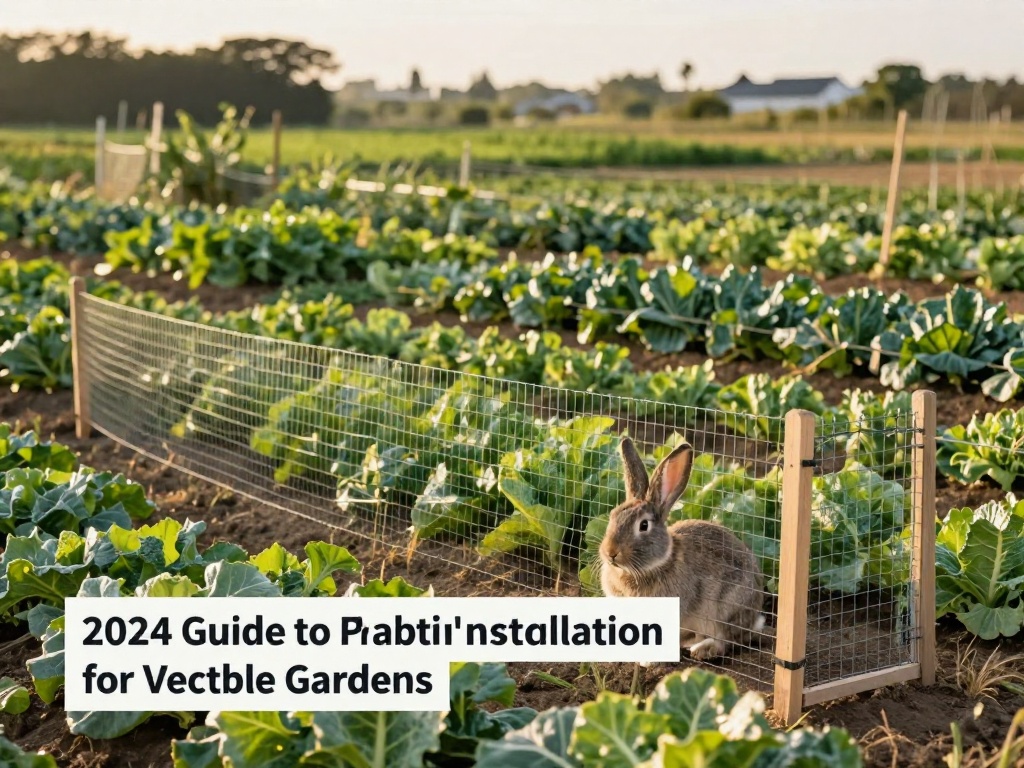
2024 Guide to Rabbit Fence Installation for Vegetable Gardens: 7 Proven Tips
Rabbit fence installation for vegetable gardens is one of the most reliable ways to stop wild rabbits from devouring your leafy greens, root vegetables, and young seedlings. The USDA reports that unprotected backyard gardens lose up to 30% of their annual harvest to small wildlife like rabbits, making proactive fencing a high-ROI investment for home and small-scale farmers. This guide walks you through every step to build a long-lasting, effective rabbit fence that keeps pests out without harming them.
Why Standard Fencing Fails to Keep Rabbits Out of Gardens
Rabbits’ Unique Ability to Squeeze and Burrow
Wild rabbits can squeeze through gaps as small as 1 inch wide, and they can burrow up to 2 feet deep to access food sources. Regular picket fences, chain link, or short garden borders leave gaps that rabbits easily exploit to reach your crops. Even fences that seem tall enough can be breached if rabbits can use overgrown vegetation to climb over or dig under the base.
Common Mistakes That Waste Your Fencing Investment
Many first-time gardeners make costly errors when installing rabbit fencing, from using low-quality materials to failing to bury the fence’s base. Other common mistakes include spacing fence posts too far apart, leading to sagging that creates gaps, or using mesh with gaps larger than 1 inch that young rabbits can squeeze through. These errors mean you’ll spend more money repairing or replacing your fence within one to two growing seasons.
7 Step-by-Step Tips for Foolproof Rabbit Fence Installation
1. Map Your Perimeter and Verify Local Regulations
Start by measuring your vegetable garden’s full perimeter to calculate how much fencing material you need. Call 811, the national underground utility hotline, to mark gas, electric, or water lines before you dig any trenches. Also check local zoning laws or HOA rules to confirm maximum fence heights and setback requirements for your property.
2. Choose the Right Fencing Material
The University of Minnesota Extension recommends 1-inch galvanized hardware cloth as the best material for rabbit fences, as it lasts 10+ years and blocks even the smallest young rabbits. Cheaper chicken wire only lasts 2-3 years, rusts easily, and often has large gaps that create entry points. For large gardens, you can pair hardware cloth with wooden posts to cut down on material costs.
3. Dig a 6-Inch Trench Along Your Entire Perimeter
Dig a 6-inch deep, 4-inch wide trench along the outside edge of your garden’s perimeter. This trench lets you bury the bottom edge of your fence to block burrowing rabbits. Burying the fence’s base eliminates 90% of common rabbit entry points, according to 2023 data from the National Gardening Association.
4. Install Sturdy Fence Posts Every 8 Feet
Set 4-foot tall wooden or metal fence posts into the ground every 8 feet along your trench. Concrete the base of each post to prevent shifting or sagging over time. Spacing posts further than 8 feet apart leads to loose fencing that rabbits can push through or climb under, so stick to this measurement for long-term stability.
5. Stretch and Attach Fencing Securely to Posts
Unroll your galvanized hardware cloth along the trench, stretching it tight to eliminate any slack. Attach the cloth to each post using fence staples or heavy-duty zip ties every 12 inches to keep it secured. Leave 6 inches of extra fencing sticking up above the posts to add extra height that stops rabbits from jumping over.
6. Add an Outdoor Apron to Block Burrowing
Bend the extra 6 inches of fencing at the bottom of your trench outward, away from your garden, to lay flat on the ground as an apron. Cover this apron with mulch, soil, or grass clippings to hide it from view. This apron makes it impossible for rabbits to dig under the fence, as they will hit the hardware cloth before they can reach your garden beds.
7. Install a Matching Lockable Gate
Add a gate made from the same 1-inch hardware cloth to your fence’s entry point, ensuring it is the same 4-foot height as the rest of your fence. Install a self-closing hinge and lock to prevent the gate from being left propped open, which is one of the most common accidental entry points for rabbits.
Long-Term Maintenance for Your Rabbit Fence
Check your fence every three months for damage, including rusted spots, holes, or sagging sections. Trim back any vegetation growing within 1 foot of the fence to eliminate climbing platforms for rabbits. The University of Illinois Extension reports that annual maintenance extends the lifespan of a galvanized hardware cloth fence by 5+ years, making this simple upkeep well worth your time.
Proper rabbit fence installation for vegetable gardens pays for itself in less than one growing season by preventing costly crop loss. Whether you grow food for your family or sell produce at local markets, this low-effort project keeps your harvest safe year after year.
Frequently Asked Questions About Rabbit Fence Installation
How tall does a rabbit fence need to be to keep rabbits out?
Most adult wild rabbits can jump up to 3 feet high, so a 4-foot tall fence is the recommended minimum to block all rabbit access. Adding a slight outward lean to the top 6 inches of your fence adds extra protection for unusually athletic rabbit populations.
Can I use chicken wire instead of hardware cloth for my rabbit fence?
Chicken wire works as a temporary, low-cost solution for small gardens, but it breaks down in 2-3 years due to rust and weather damage. It also often has 2-inch gaps that young rabbits can squeeze through, making it a less reliable long-term choice than galvanized hardware cloth.
Is rabbit fencing a humane way to protect my vegetable garden?
Yes, properly installed rabbit fencing is one of the most humane wildlife control methods for gardens, as it does not harm or trap rabbits, only blocks them from accessing your crops. Unlike poison or lethal traps, fencing lets rabbits continue to thrive in their natural habitat while protecting your harvest.
No comments