
Kale Succession Planting for Fall Harvests: 2024 Pro Guide to Steady Yields
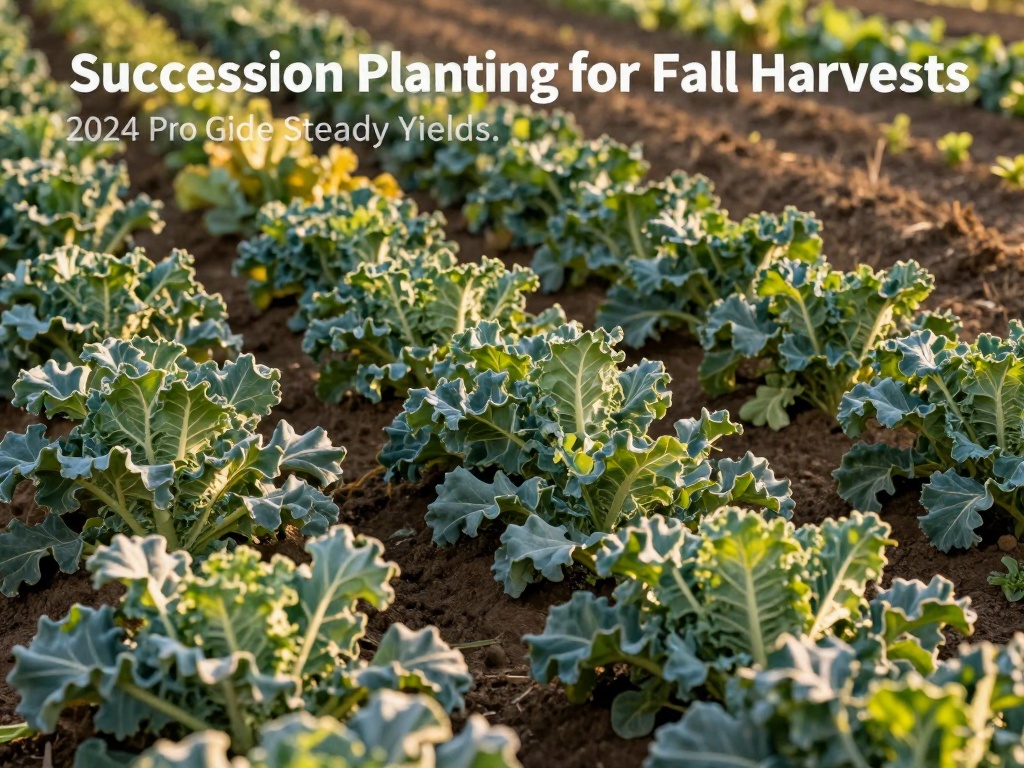
Kale Succession Planting for Fall Harvests: 2024 Pro Guide to Steady Yields
Kale succession planting for fall harvests is a game-changing strategy for home gardeners and small-scale farmers looking to maximize their autumn crop yields. Unlike a single mid-summer sowing, staggered plantings of kale ensure you never face a glut of mature greens that spoil before use, while extending your harvest window by 6 to 8 weeks, per data from the University of Illinois Extension. Cool-season kale thrives in fall’s mild temperatures, even tolerating light frosts that sweeten its leaves, making it one of the most reliable autumn vegetable crops.
Why Succession Planting Fall Kale Outperforms Single Sowing
Avoids Gluts and Extends Harvest Windows
A single mid-summer kale sowing matures all at once, leaving you with more produce than you can use in a 2-week window. Succession planting spaces out maturity, so you only harvest what you need each week, with fresh production continuing for months. University of Illinois research confirms this strategy adds 6 to 8 weeks of harvest time compared to one single sowing.
Leverages Kale’s Natural Frost Tolerance
Kale survives temperatures as low as 20°F (-6.7°C), meaning late-summer plantings can keep producing into November in most USDA zones 4 through 9. Light frosts break down the plant’s bitter compounds, resulting in sweeter, more flavorful leaves than spring-grown kale. Fall kale also faces far less pest pressure than spring plantings, with cabbage moths and aphid populations declining as temperatures cool.
Reduces Disease and Crop Loss Risk
Staggered plantings limit your exposure to total crop loss from unexpected late-summer droughts, early frosts, or rare brassica disease outbreaks. If one young planting suffers damage, your later and earlier plantings will still produce a steady supply of greens. This risk mitigation is a key benefit for small-scale farmers relying on kale sales for autumn revenue.
Step-by-Step Schedule for Your Kale Succession Planting
Start With Your Average First Fall Frost Date
Look up your local average first frost date via the USDA Plant Hardiness Zone Map to map your planting timeline. Kale takes 50 to 75 days to mature, so add a 2-week buffer for cool fall temperatures that slow growth, and count back 10 weeks from your first frost to get your final sowing date. This buffer ensures your last planting reaches maturity before deep freezes set in.
Space Sowing Intervals Every 14 Days
For most temperate zones, sow a new batch of kale seeds every 2 weeks from mid-July through early September. This staggered schedule means you will have mature kale ready to harvest starting in mid-September, continuing through late November. For northern zones with early frosts, shift your entire planting window 2 weeks earlier to avoid crop loss.
Choose Varieties Matched to Planting Time
Use fast-maturing varieties for your first succession plantings to harvest early fall greens. Red Russian kale, which matures in 50 days, is ideal for early mid-July plantings. For your final late-season plantings, use cold-hardy curly kale or Lacinato (dinosaur) kale, which tolerate deep frosts and keep producing longer into the winter.
Pro Tips to Maximize Your Fall Kale Yield
Add 2 inches of compost to your garden bed before each sowing to maintain nutrient levels, as kale is a heavy feeder that requires rich, well-draining soil with a pH of 6.0 to 7.5, per Oregon State University Extension. Use lightweight row covers for late-season plantings to add 5 to 10 degrees of freeze protection, extending your harvest even further. Harvest only outer leaves when they reach 8 to 10 inches long, leaving the plant’s core to produce new leaves for weeks.
Frequently Asked Questions
When is the latest I can plant kale for a fall harvest?
For most USDA zones 5 through 8, the last safe sowing date is 8 weeks before your average first fall frost. Zone 9 gardeners can sow kale as late as mid-October for a mild winter harvest, while zone 4 gardeners should complete their final sowing by mid-August to avoid early frost damage.
Can I start kale seeds indoors for succession planting?
Yes, starting kale seeds indoors 2 to 3 weeks before transplanting works perfectly for late-season succession plantings. This gives northern gardeners a critical head start on growth before cool fall temperatures slow development. Indoor starts also reduce the risk of seed loss from summer pests or dry soil.
How much kale can I expect from fall succession plantings?
University of Minnesota Extension data confirms a 10-foot row of staggered kale plantings produces 20 to 30 pounds of kale over a 10-week harvest window. That is enough to supply a family of four with fresh weekly greens, plus extra for freezing or sharing. This yield outperforms single-sowing plots by more than 40% by eliminating spoiled, unused produce.
No comments