
Radish Cover Crop for Compaction Remediation: 2024 Guide to Fixing Compacted Farm Soil
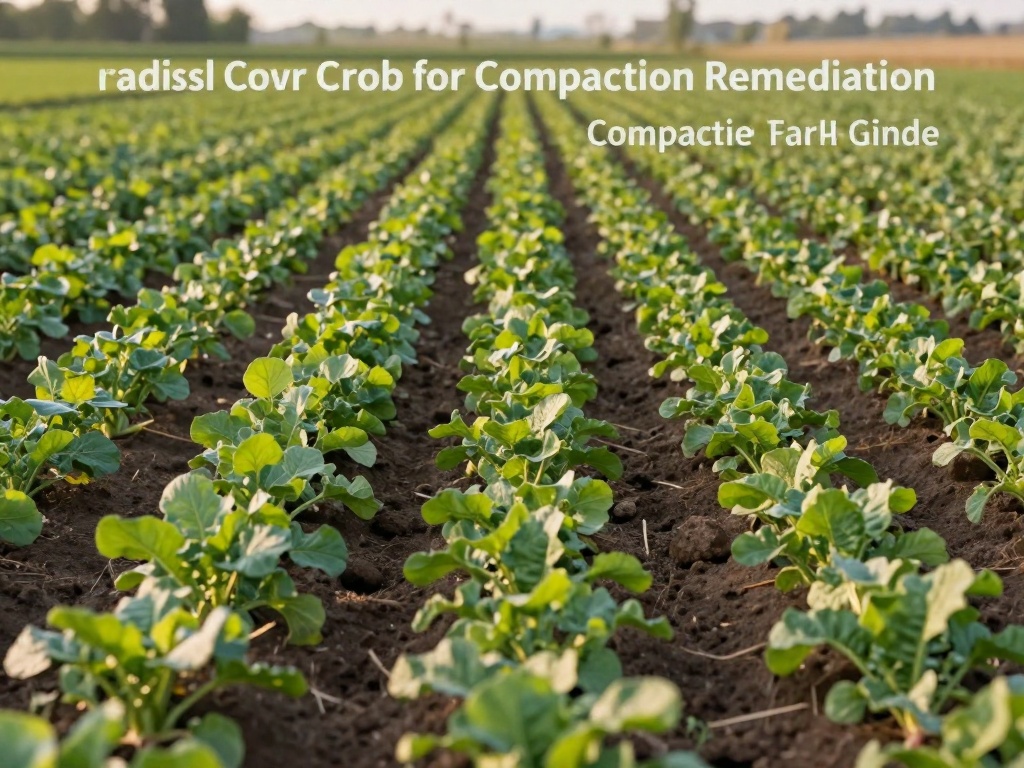
Radish Cover Crop for Compaction Remediation: 2024 Guide to Fixing Compacted Farm Soil
Compacted soil plagues 30% of U.S. agricultural lands, per the USDA Natural Resources Conservation Service (NRCS), limiting root growth, water infiltration, and nutrient uptake. A radish cover crop for compaction remediation is a low-cost, sustainable solution that leverages the forage radish’s deep, aggressive taproot to break through hardpan layers naturally. Unlike mechanical tillage that can disrupt long-term soil biology, this method builds soil health while adding valuable organic matter.
What Makes Forage Radishes Ideal for Compaction Remediation?
The Taproot Mechanism That Breaks Through Hardpan
Forage radishes (often called tillage radishes) grow a 2–3 foot deep primary taproot that can exert up to 300 pounds of pressure per square inch, per Penn State Extension research. That force is enough to penetrate compacted plow pan layers 12–24 inches below the surface that standard annual tillage often fails to reach. As the taproot grows, it creates permanent soil pores that improve air and water flow for subsequent cash crops like corn or soybeans.
Additional Soil Health Benefits Beyond Compaction Relief
Beyond loosening hard soil, radish cover crops scavenge excess nitrogen and phosphorus, preventing nutrient leaching that harms local waterways. Their fast fall growth suppresses winter weeds, reducing the need for synthetic herbicides in the spring planting season. When they decompose over winter, they add easily accessible organic matter to feed beneficial soil microbes.
How to Plant Radish Cover Crops for Maximum Compaction Relief
Optimal Planting Timing and Seeding Rates
To get the most compaction remediation value, plant tillage radishes 4–6 weeks before your area’s first average fall frost, per NRCS guidelines. This window gives the roots enough time to grow deep before winter temperatures trigger decomposition. The ideal seeding rate is 5–10 pounds per acre for pure radish stands, or 2–3 pounds per acre when mixed with other cover crops like oats or clover.
Common Planting Mistakes to Avoid
Avoid planting radishes too late in the season, as cold temperatures will stunt root growth before they can penetrate compacted layers. Never plant in waterlogged soil, as radish roots will rot instead of growing deep to break up hardpan. Also, avoid using radish cover crops in fields with high root knot nematode pressure, as they can occasionally host these pests in vulnerable regions.
Proven Yield and Cost Impacts of Radish Cover Crops
A 2023 study from the University of Illinois found that corn yields increased by 8% on fields that used tillage radishes for compaction remediation, compared to fields that relied only on annual deep tillage. The average cost to seed radish cover crops is $15–$25 per acre, compared to $40–$60 per acre for mechanical deep tillage, saving farmers 50% or more on annual compaction remediation costs.
Frequently Asked Questions
Can radish cover crops fix all types of soil compaction?
Radish cover crops work best for moderate compaction in the top 12–24 inches of soil, commonly called plow pan. Severe, deep compaction below 30 inches may require a combination of radishes and occasional deep tillage to fully remediate.
Do radish cover crops grow well in all climate zones?
Tillage radishes are winter-killed in most zones with temperatures below 20°F, making them ideal for USDA plant hardiness zones 3 and above. In warm southern zones, they can be planted in late fall to grow through mild winters before spring cash crop planting.
Can I mix radish cover crops with other cover crop species?
Yes, mixing radishes with oats, ryegrass, or clover creates a multi-functional cover crop blend that adds compaction relief, weed suppression, and nitrogen fixation. Keep radish seeding rates low in blends to avoid outcompeting slower-growing companion species.
No comments