
How to Master Green Manure Composting Technique in 2026
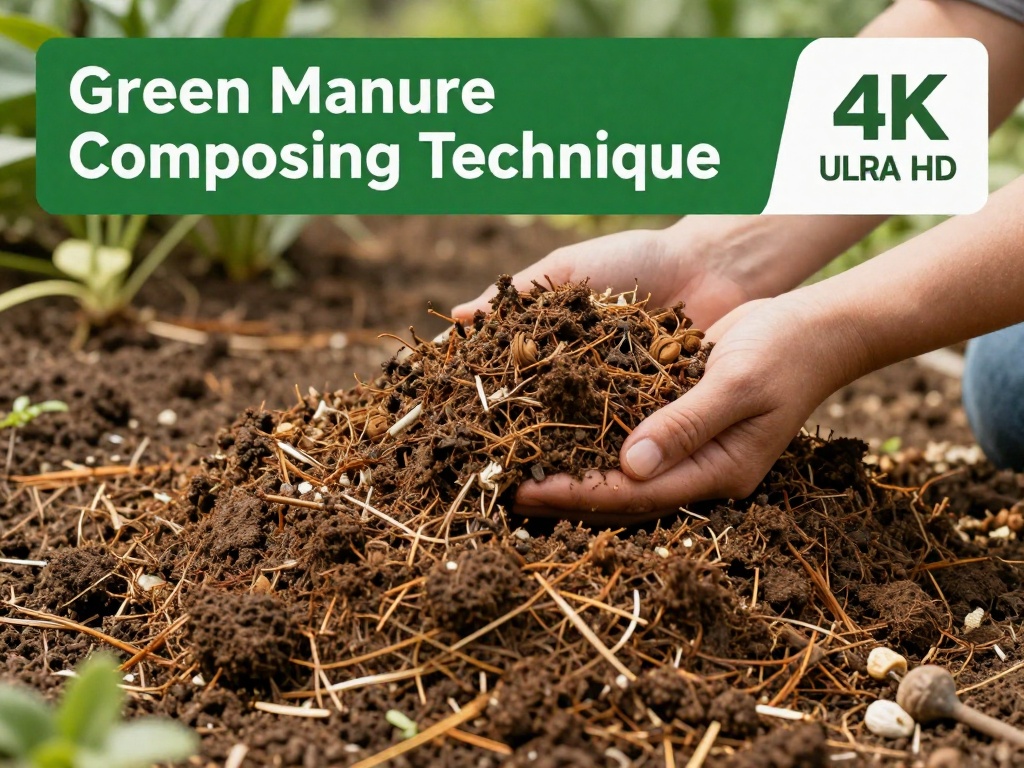
How to Master Green Manure Composting Technique in 2026
Green manure composting technique represents one of the most effective natural approaches to enriching soil fertility without relying on synthetic fertilizers. This centuries-old method harnesses the power of specific plants to naturally restore nutrients, improve soil structure, and promote beneficial microbial activity in your garden or farm. Whether you cultivate vegetables in raised beds, manage a small homestead, or work with large-scale agricultural operations, mastering this technique can dramatically transform your soil health and crop yields while reducing input costs.
What is Green Manure Composting?
Green manure involves growing specific crops, typically legumes, grasses, or brassicas, specifically to incorporate them back into the soil as organic matter. Unlike traditional composting where you collect and pile materials, green manure composting technique allows plants to grow directly in the planting area, then cut and till them into the earth. This process adds nitrogen, organic matter, and essential micronutrients while improving soil tilth, water retention, and drainage capacity.
Key Benefits of Green Manure Systems
- Natural nitrogen fixation from leguminous plants
- Increased soil organic matter and humus formation
- Suppression of weeds through natural ground cover
- Prevention of soil erosion during fallow periods
- Attraction of beneficial insects and pollinators
- Reduction of soil-borne diseases and pests
The Best Plants for Green Manure Composting
Selecting appropriate species for your green manure composting technique determines success. Different plants offer unique benefits, and understanding their characteristics helps you match species to your soil needs and growing season.
Legumes: Nature's Nitrogen Factories
Leguminous green manures like crimson clover, hairy vetch, and field peas possess root nodules containing bacteria that convert atmospheric nitrogen into plant-available forms. These plants can fix 50-200 pounds of nitrogen per acre annually, significantly reducing or eliminating the need for synthetic nitrogen fertilizers. Crimson clover excels in warm climates and provides excellent winter cover, while hairy vetch proves particularly hardy in colder regions and can fix substantial nitrogen when spring-tilled.
Grasses and Grains: Soil Structure Champions
Annual ryegrass, winter wheat, and oats develop extensive root systems that break up compacted soil layers and add substantial organic matter when incorporated. These grasses grow rapidly, produce abundant biomass, and help prevent erosion during rainy seasons. Mixing legumes with grasses creates balanced green manure combinations that provide both nitrogen and carbon-rich material for optimal soil building.
Brassicas: Biofumigation Powerhouses
Mustard greens, rapeseed, and forage radish offer biofumigation benefits, releasing natural compounds that suppress soil nematodes, fungi, and certain weeds. These species grow quickly, produce massive taproots that penetrate compaction layers, and contribute significant organic matter when incorporated into the soil.
Step-by-Step Green Manure Composting Technique
Implementing this technique successfully requires proper timing, execution, and follow-through. This step-by-step guide walks beginners through the entire process for maximum results.
Step 1: Choose Your Timing and Site
Select a period when your main crops are not occupying the space. Popular windows include late summer after early vegetables finish, early fall before winter dormancy, or early spring before warm-season planting. Prepare the area by removing debris and lightly loosening the soil surface to ensure good seed-to-soil contact.
Step 2: Select and Sow Seeds
Broadcast seeds at recommended rates, typically 2-4 pounds per 1,000 square feet for most mixtures. Rake lightly to cover seeds with approximately one-quarter inch of soil. For small spaces or containers, use 1-2 ounces per standard raised bed. Water gently and maintain consistent moisture until germination occurs within 5-14 days depending on species and temperature.
Step 3: Allow Growth and Development
Let plants grow until they reach the flowering stage or approximately 6-8 weeks of growth. This timing provides maximum biomass while ensuring plants haven't yet set seed, which could cause unwanted self-seeding. During growth, the roots actively improve soil structure, and above-ground portions shade out competing weeds.
Step 4: Terminate and Incorporate
Cut plants down using a mower, string trimmer, or scythe at ground level. Allow cut material to wilt for 2-3 days to reduce moisture content, which prevents matting and ensures more even decomposition. For clay soils prone to compaction, work the material into the top 6-8 inches of soil using a garden fork or tiller. Sandy soils benefit from surface incorporation into the top 4-6 inches only, as deeper tillage accelerates decomposition too rapidly.
Step 5: Allow Decomposition Period
Wait 2-4 weeks after incorporation before planting crops to allow initial decomposition and prevent nitrogen tie-up during the breakdown process. During this period, soil microorganisms consume the fresh organic matter, gradually releasing nutrients in plant-available forms. If time is limited, incorporate high-nitrogen legumes to speed decomposition.
Optimizing Your Green Manure Results
Advanced practitioners can enhance results through strategic modifications tailored to specific conditions and goals.
Climate Considerations
In temperate regions, winter annuals like winter rye and vetch planted in fall provide excellent spring incorporation opportunities. Tropical and subtropical gardeners benefit from sun hemp and cowpeas grown during warm seasons. Understanding your local frost dates and growing season length helps select appropriate species and timing for maximum biomass production.
Soil Type Adjustments
Heavy clay soils respond particularly well to grasses with extensive root systems, which create channels improving drainage and aeration. Sandy soils benefit most from legumes that add nitrogen and organic matter to increase water-holding capacity. Loamy soils can utilize diverse mixtures combining multiple species for comprehensive soil improvement.
Common Mistakes to Avoid
Several errors frequently undermine green manure composting technique success. Allowing plants to mature beyond flowering causes woody stems that decompose slowly and may reseed unwanted volunteers. Working wet soil damages structure through compaction and creates cloddy beds unsuitable for planting. Insufficient waiting periods after incorporation can temporarily tie up nitrogen as soil microbes compete with crops for available nutrients.
Measuring Your Success
Track improvements through soil testing before and after implementation. Expect increases in organic matter percentage, available nitrogen, and overall soil tilth within 1-2 seasons. Visual indicators include darker soil color, improved crumb structure, and enhanced earthworm activity. Document crop yields to quantify productivity gains attributable to improved soil fertility.
FAQ
What is the best time to plant green manure crops?
The optimal planting time depends on your climate and intended use. For most regions, late summer after main crops finish provides excellent growing conditions. Fall-planted winter grains and legumes work well in temperate zones, while spring planting suits areas with long, warm growing seasons. Match species to your frost tolerance and available growing window.
How long does green manure take to decompose?
Decomposition typically requires 2-4 weeks for legumes and fine-stemmed grasses when incorporated properly. Woody materials and thick stems may need 4-6 weeks. Soil temperature, moisture, and particle size influence decomposition speed. Warmer, moist conditions accelerate the process, while cool, dry conditions slow it considerably.
Can I use green manure in containers and small spaces?
Absolutely! Green manure composting technique works excellently in containers, raised beds, and small-space gardens. Choose compact varieties like dwarf clover or annual ryegrass. Sow seeds thickly, allow growth for 4-6 weeks, then cut and mix into potting soil or compost. This revitalizes container growing medium for reuse.
How much nitrogen does green manure add to soil?
Leguminous green manures typically fix 50-200 pounds of nitrogen per acre annually, depending on species and growing conditions. Grasses and grains contribute minimal nitrogen but add substantial carbon for soil building. Actual available nitrogen released depends on decomposition timing, soil conditions, and subsequent crop needs.
What's the difference between cover crops and green manure?
While often used interchangeably, green manure specifically refers to plants grown to be incorporated into the soil. Cover crops may also be grown for erosion control, grazing, or soil protection without intentional incorporation. Green manures focus on maximizing biomass and nutrient contribution through soil integration.
What is the cost comparison with synthetic fertilizers?
Green manure seeds typically cost $10-30 per 1,000 square feet, while equivalent nitrogen from synthetic fertilizers costs $30-60 or more. Beyond direct costs, green manures improve soil long-term, reducing future fertilizer needs and providing benefits synthetic products cannot offer. Initial investment pays dividends through improved soil health for years.
No comments