
Sage from Seed Organic: 2026 Complete Grower's Guide
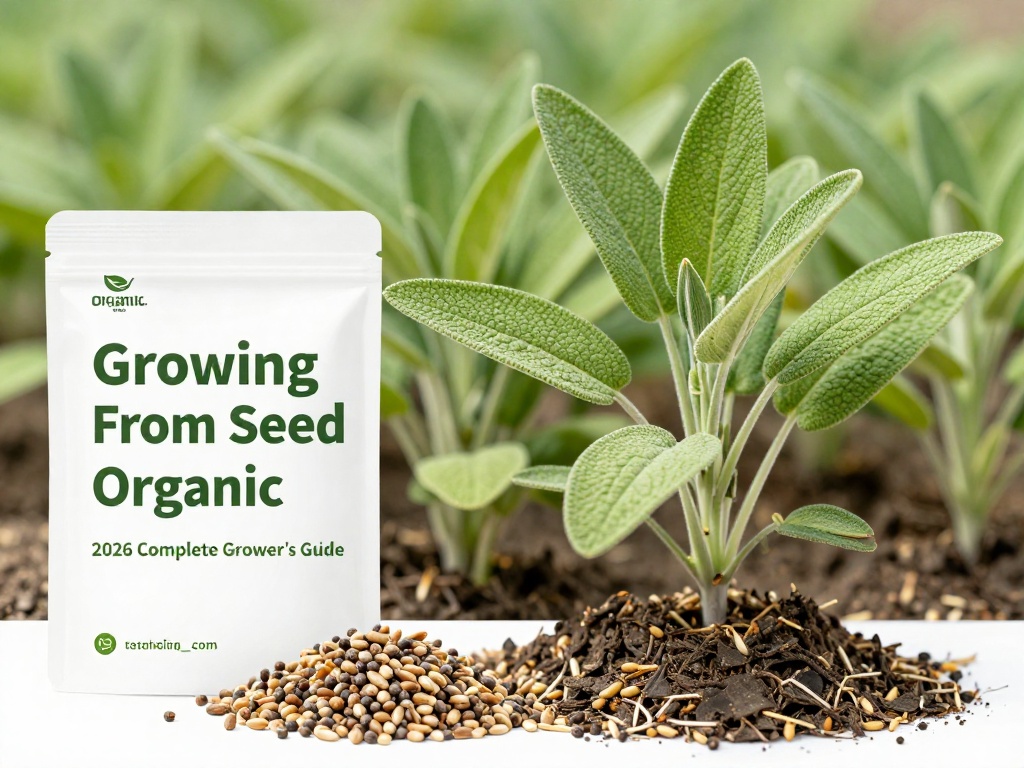
Sage from Seed Organic: 2026 Complete Grower's Guide
Growing sage from seed organically is one of the most rewarding journeys any herb gardener can undertake. This aromatic Mediterranean powerhouse has graced kitchens and medicinal cabinets for thousands of years, and starting it from seed ensures you control every aspect of its organic journey. Whether you're cultivating a windowsill herb garden or expanding your raised beds, this comprehensive guide covers everything you need for successful organic sage cultivation in 2026.
Why Choose Organic Sage Growing from Seed?
Starting sage from seed rather than purchasing transplants offers significant advantages. You gain complete control over the growing environment from day one, ensuring your herbs remain truly organic. Commercially grown seedlings often carry pesticide residue or synthetic fertilizer dependencies that contradict organic gardening principles.
Additionally, growing from seed provides access to rare and heirloom sage varieties unavailable as transplants. You'll witness the complete life cycle of your plants, developing deeper connections with your garden ecosystem. The satisfaction of nurturing a tiny seed into a flourishing herb plant is unmatched in organic gardening.
Understanding Sage Seeds and Their Characteristics
Sage seeds are remarkably small, with approximately 700 seeds per gram. These seeds feature a distinctive oval shape with a slightly wrinkled texture. Their natural dormancy requirements make understanding germination conditions essential for successful organic growing.
Viable sage seeds typically remain usable for 2-3 years when stored properly in cool, dry conditions. Always source seeds from reputable organic seed suppliers to ensure genetic purity and avoid treated or irradiated seeds that compromise your organic standards.
Step-by-Step Sage Growing from Seed Organically
Timing Your Sage Planting
For optimal results, start sage seeds indoors 8-10 weeks before your last expected frost date. In most USDA zones, this means beginning your organic seed starting process in late winter or early spring. Sage seedlings need 6-8 weeks of indoor growth before transplanting outdoors.
Soil temperatures must reach at least 60°F (15°C) for successful outdoor transplanting. Cold, wet soil causes root rot and damping-off disease in young sage seedlings. Patience pays dividends—wait until soil thoroughly warms before moving seedlings outside.
Preparing Your Organic Seed Starting Mix
Creating the perfect seed starting medium is crucial for organic sage growing success. Commercial seed starting mixes labeled organic work well, or you can craft your own blend. Combine equal parts aged compost, coconut coir, and perlite for excellent drainage and nutrient availability.
Avoid standard garden soil in containers—it compacts too easily and may harbor disease organisms. Your organic mix should be light, fluffy, and moisture-retentive without becoming waterlogged. Sterilize containers and tools to prevent fungal contamination that devastates seedlings.
Sowing Sage Seeds Correctly
Sage seeds require light for germination, so plant them shallowly—only about 1/8 inch deep. Lightly press seeds into your moistened starting mix without covering them heavily. Mist the surface gently and maintain consistent moisture without overwatering.
Cover seed trays with clear plastic domes or wrap to create a humid microenvironment. Place trays in warmth (65-75°F or 18-24°C) near bright, indirect light. Germination typically occurs within 14-21 days under ideal organic conditions.
Transplanting Seedlings to Larger Containers
Once seedlings develop their second set of true leaves, they're ready for transplanting into individual containers. Choose 3-4 inch pots with adequate drainage holes. Fill with your organic growing mix and gently transplant seedlings, burying them at the same depth they grew previously.
Handle delicate sage seedlings by their leaves rather than stems—stems bruise easily and may introduce disease. Water thoroughly after transplanting and maintain consistent moisture as seedlings establish themselves in their new containers.
Site Selection and Outdoor Transplanting
Choosing the Perfect Garden Location
Sage thrives in full sun locations receiving at least 6-8 hours of direct sunlight daily. Select a spot with excellent air circulation to prevent fungal diseases. Avoid low-lying areas where cold air and moisture collect, as sage prefers well-drained conditions reminiscent of its Mediterranean heritage.
Consider planting sage near pathways or entryways—their fragrance releases beautifully when brushed by passersby. Sage also makes an excellent companion plant, repelling cabbage moths, carrot flies, and other problematic garden pests from nearby vegetables.
Preparing Organic Garden Beds
Sage requires well-draining soil with moderate fertility. Heavy clay soils cause root rot and stunted growth. Amend compacted or clay-heavy beds with generous quantities of aged compost and coarse sand to improve drainage dramatically.
Aim for soil pH between 6.0 and 7.0 for optimal nutrient availability. Conduct a simple soil test before planting—if acidity is a concern, add dolomitic limestone according to organic gardening recommendations. Avoid over-amending with nitrogen—excess fertility produces lush foliage but diminishes essential oil concentration and flavor intensity.
Hardening Off Sage Seedlings
Before outdoor transplanting, seedlings require gradual acclimation to outdoor conditions—a process called hardening off. Begin 7-10 days before your intended transplant date. Place seedlings outside in sheltered shade for 1-2 hours daily, gradually increasing exposure to sun and outdoor temperatures.
Bring seedlings indoors each night, especially during cold spells. This gradual transition prevents transplant shock and builds cold tolerance. After 7-10 days of hardening off, your organic sage seedlings will be ready for permanent outdoor residence.
Organic Care and Maintenance
Watering Practices for Healthy Sage
Established sage demonstrates excellent drought tolerance once properly rooted. Water deeply but infrequently—approximately once weekly during typical weather conditions. Allow soil to dry partially between waterings, mimicking Mediterranean rainfall patterns.
Overwatering remains the most common mistake in sage cultivation. Yellowing leaves, wilting despite moist soil, and leggy growth indicate excessive watering. Mulch lightly around plants with organic materials like straw or shredded leaves to moderate soil moisture and suppress weeds.
Feeding Your Organic Sage Plants
Sage generally requires minimal fertilization when grown in quality organic soil. A single light application of aged compost or balanced organic fertilizer in early spring provides sufficient nutrition for the growing season. Overfeeding produces weak, leggy growth with diminished flavor.
Foliar feeding with diluted compost tea every 4-6 weeks supports vibrant growth organically. Simply steep aged compost in water for 24-48 hours, strain, and spray lightly on leaves during morning hours. This organic practice boosts beneficial microorganisms and provides gentle nutrition.
Pruning and Harvesting Techniques
Regular harvesting encourages bushy, compact growth and prevents woodiness. Begin harvesting once plants develop multiple branches with established leaves. Cut stems in the morning after dew dries but before afternoon heat concentrates essential oils.
Harvest no more than one-third of the plant at any time to maintain vigor. Prune flowering stems promptly to extend the harvestable period—once sage bolts to seed, leaf production decreases significantly. Annual spring pruning removes winter damage and shapes plants for the coming season.
Common Problems and Organic Solutions
Addressing Pest Issues Organically
Sage's aromatic oils naturally repel many common garden pests, making it relatively trouble-free. However, spider mites, aphids, and whiteflies occasionally target stressed plants. Combat these organically with strong water sprays, neem oil applications, or introductions of beneficial insects like ladybugs.
Prevent pest infestations by maintaining plant vigor through proper care. Stressed, overwatered, or nutrient-deficient sage attracts more pest pressure. Healthy plants with strong essential oil production resist most insect damage naturally.
Preventing Disease in Organic Sage Cultivation
Fungal diseases including powdery mildew, root rot, and damping-off pose the greatest disease threats. Prevention through proper spacing, adequate air circulation, and careful watering practices eliminates most problems. Plant sage with sufficient clearance—12-18 inches apart—to ensure airflow.
If fungal issues appear, remove affected plant material immediately. Apply organic fungicides like copper spray or baking soda solution (1 tablespoon per gallon) for persistent problems. Prevent recurrence by addressing underlying cultural issues causing plant stress.
Harvesting and Storing Your Organic Sage
Proper harvest timing and storage methods preserve the intense flavor of organically grown sage. For peak flavor, harvest leaves just before plants flower when essential oil concentration peaks. Cut entire stems rather than individual leaves for easier handling and drying.
Air-dry harvested sage by hanging small bundles in a warm, dry, well-ventilated location away from direct sunlight. Alternatively, use a dehydrator at 95-100°F (35-38°C) for faster results. Once thoroughly dry, strip leaves from stems and store in airtight glass containers in a cool, dark location. Properly stored organic sage retains flavor for 1-2 years.
Frequently Asked Questions
How long does it take for sage seeds to germinate organically?
Organic sage seeds typically germinate within 14-21 days under optimal conditions of 65-75°F (18-24°C). Patience is essential—sage germination is notoriously slow compared to other herbs. Maintain consistent moisture without waterlogging, and avoid the temptation to discard trays prematurely.
What are the most common mistakes when growing sage from seed?
Overwatering causes the majority of sage seed starting failures, leading to damping-off disease that kills seedlings. Other common errors include planting seeds too deeply, using contaminated soil or containers, and failing to provide adequate light after germination. Starting with sterile materials and conservative watering prevents most problems.
Can I grow sage from seed directly outdoors?
Yes, but direct sowing requires soil temperatures above 60°F (15°C) and 2-3 months of frost-free growing season. Sow seeds shallowly in prepared beds after all frost danger passes. Keep soil consistently moist until germination. Indoor starting gives better results in most climates, particularly northern regions.
What's the best month to start sage seeds indoors?
Start sage seeds indoors 8-10 weeks before your last expected frost date. For most temperate regions, this means beginning in February or March. Earlier indoor starts extend the growing season, producing more established plants ready to thrive once outdoor conditions warm sufficiently.
How much does organic sage seed growing cost compared to buying plants?
Growing sage from seed costs approximately $2-5 for a packet of 50+ organic seeds versus $4-8 per nursery transplant. One seed packet provides multiple years of supply with proper seed saving practices. Initial equipment investment ( trays, grow medium, containers) totals $15-30 but enables growing countless future crops.
When can I expect to harvest sage after planting seeds?
Expect your first light harvest approximately 75-90 days after indoor seed starting. Full, regular harvesting begins around 100-120 days from seed. Plants established by early spring typically provide abundant harvests by mid-summer through fall, depending on your local growing season length.
No comments