
Urban Gardening No Backyard Needed: 2026 Complete Guide
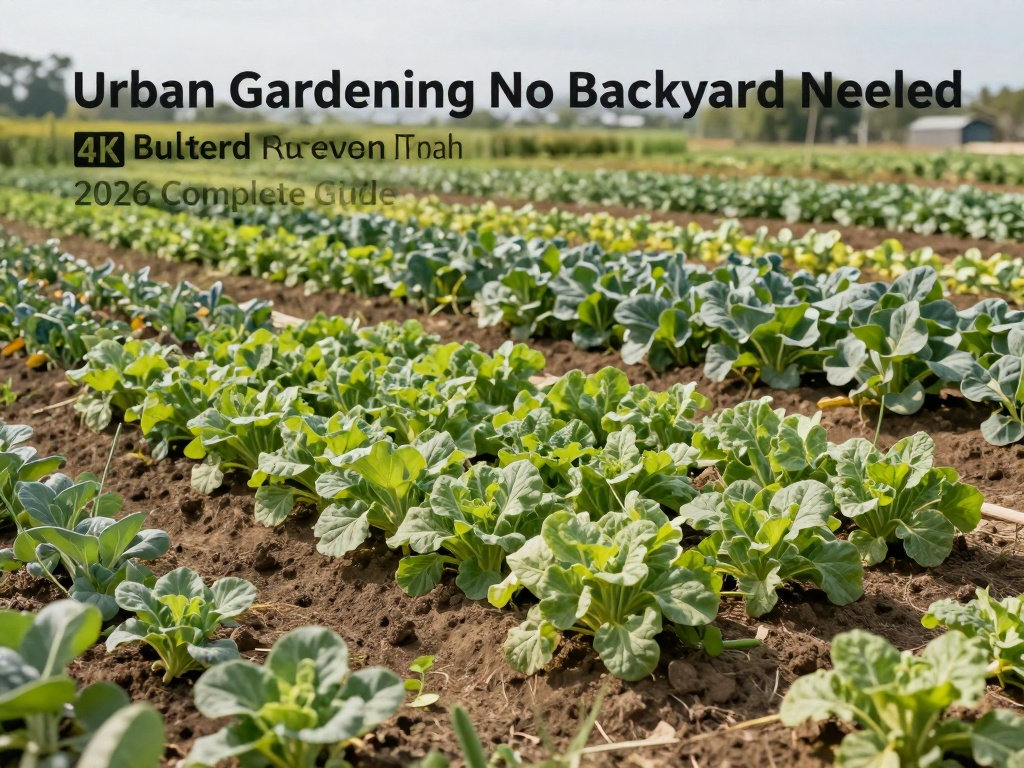
Urban Gardening No Backyard Needed: 2026 Complete Guide
You don't need a sprawling backyard to grow your own food and beautiful plants. Urban gardening no backyard needed techniques have revolutionized how city dwellers connect with nature, transforming balconies, windowsills, rooftops, and even indoor corners into thriving green spaces. This comprehensive guide will walk you step by step through everything you need to start your urban garden journey today.
Why Urban Gardening Is Exploding in 2026
都市農業は2026年に大幅に成長しており、屋上菜園から始める方が増加しています。Recent studies show that over 60% of city residents want to grow their own food but lack traditional garden space. Urban gardening no backyard needed methods have become essential for apartment dwellers, condo residents, and anyone working with limited square footage. The movement combines sustainability, health benefits, and the satisfaction of growing your own produce right where you live.
The Benefits of Growing Without a Backyard
When you embrace urban gardening no backyard needed approaches, you unlock numerous advantages. Fresh herbs and vegetables become accessible without trips to the grocery store. You'll reduce your carbon footprint by eliminating transportation emissions from store-bought produce. Plus, caring for plants improves mental health and creates a calming environment in your living space.
Container Gardening: Your First Step to Backyard-Free Growing
Container gardening represents the most accessible urban gardening no backyard needed method for beginners. Almost any plant can grow in a properly sized container with the right soil and care. This technique works perfectly for patios, balconies, and even sunny windowsills.
Choosing the Right Containers for Maximum Yield
Selecting containers requires understanding your plants' root systems and water needs. Ceramic pots offer excellent insulation for roots but weigh more when filled. Plastic containers are lightweight and affordable, making them ideal for renters. Fabric grow bags promote excellent drainage and air pruning, which encourages healthier root development and prevents overwatering.
For vegetables like tomatoes and peppers, use containers at least 5 gallons in size. Herbs thrive in smaller 1-2 gallon containers. Ensure every container has adequate drainage holes to prevent root rot, which devastates container plants more frequently than garden-bed plants.
Best Soil Mix for Container Success
Regular garden soil compacts easily in containers and lacks proper drainage for potted plants. Create your own mix combining equal parts peat moss or coco coir, perlite, and quality compost. This combination provides excellent drainage, moisture retention, and nutrients for robust plant growth throughout the growing season.
Vertical Gardening: Grow Up, Not Out
When floor space is limited, vertical gardening becomes your secret weapon. This urban gardening no backyard needed technique maximizes your growing area by utilizing walls, fences, and vertical structures. You can dramatically increase your harvest without increasing your footprint.
Vertical Systems for Small Spaces
Wall-mounted planters, pocket gardens, and trellis systems all enable vertical growing. Succulents and herbs flourish in wall pockets, while vining plants like pole beans, cucumbers, and smallsquash varieties climb trellises beautifully. Living wall systems using hydroponic frameworks work excellently for indoor environments where natural light supplementation is available.
Tower Gardens and Stackable Planters
Tower gardens represent innovative urban gardening no backyard needed solutions, allowing you to grow 20+ plants in just 4 square feet. Stackable planters work similarly, creating tiered growing space perfect for strawberries, lettuce, and herbs. These systems work wonderfully on apartment balconies and patios where every inch counts.
Balcony Gardening: Maximizing Your Outdoor Space
Your balcony holds tremendous potential for food production, regardless of its size. Even a 6-foot balcony can yield substantial harvests with strategic planning and space-efficient techniques. Balcony gardening requires understanding your space's sun exposure, wind conditions, and weight limitations.
Assessing Your Balcony's Growing Conditions
Before planting, spend a week observing how much sunlight your balcony receives. Most vegetables need 6-8 hours of direct sun daily, while leafy greens tolerate 3-4 hours. South-facing balconies offer the most growing potential, while north-facing spaces limit you to shade-tolerant herbs and greens. Account for wind exposure, as rooftop balconies often experience stronger gusts that can damage delicate plants.
Strategic Plant Selection for Balcony Success
Compact vegetable varieties bred specifically for containers thrive on balconies. Look for determinate tomato varieties, bush cucumbers, and dwarf fruit trees. Cherry tomatoes, lettuce, radishes, and fresh herbs provide continuous harvests from minimal space. Consider your family's eating habits when selecting plants to maximize the value of your balcony garden.
Indoor Gardening Solutions for Any Room
When outdoor space is completely unavailable, indoor gardening provides viable urban gardening no backyard needed alternatives. Windowsills, countertops, and any area receiving natural light can support growing plants. With supplemental lighting, you can garden virtually anywhere in your home.
Windowsill Gardens for Fresh Herbs Year-Round
Windowsill gardens represent the simplest indoor gardening method for beginners. South and east-facing windows provide optimal light for most culinary herbs. Basil, mint, chives, parsley, and cilantro thrive on sunny windowsills with minimal care. Regular harvesting encourages bushier growth and extends your harvest throughout the year.
Growing Lights: Extending Possibilities Indoors
LED grow lights have become increasingly affordable, making indoor gardening accessible to everyone. Full-spectrum LED panels provide the light wavelengths plants need for photosynthesis and healthy growth. Position lights 6-12 inches above plants for 12-16 hours daily to mimic natural sunlight. This urban gardening no backyard needed approach enables growing lettuce, microgreens, and even fruiting plants indoors regardless of outdoor conditions.
Community Gardens: Shared Space, Shared Harvest
Community gardens offer urban gardeners access to in-ground or raised bed growing space without maintaining a backyard. These shared spaces provide education opportunities, social connection, and often superior growing conditions compared to apartment balconies. Research local community garden programs in your area to secure a plot for the growing season.
Finding and Joining Community Gardens
Most cities maintain community garden registries through municipal websites or local organizations. Many gardens offer tool sharing, compost access, and mentorship programs for beginners. Some employers even sponsor workplace gardens, providing another avenue for accessing growing space. Waitlists can be long in popular areas, so apply early in the year to secure spring planting slots.
Hydroponics: Soil-Free Urban Growing
Hydroponic systems represent cutting-edge urban gardening no backyard needed technology, enabling plant growth without soil in remarkably small spaces. These systems deliver nutrients directly to plant roots, producing faster growth and higher yields than traditional soil gardening. Several hydroponic approaches suit different budgets and experience levels.
Kratky Method for Passive Hydroponics
The Kratky method offers the simplest entry point into hydroponics for beginners. Plants suspended in net pots receive nutrients from a static nutrient solution as roots grow downward. This passive system requires no electricity, pumps, or complicated equipment. Lettuce, herbs, and leafy greens excel with this technique, providing fresh produce continuously with minimal intervention.
Kitchen Countertop Hydroponic Kits
Ready-to-use hydroponic kits have flooded the market, making soil-free growing accessible to anyone with counter space. These compact systems include built-in grow lights, nutrient reservoirs, and everything needed to start growing immediately. While initial costs exceed traditional container gardening, yields and growth rates often justify the investment for enthusiastic urban gardeners.
Seasonal Planning for Continuous Harvests
Successful urban gardening no backyard needed strategies require understanding seasonal patterns and planning accordingly. Most climates support year-round growing with protective measures like cold frames, row covers, or by moving containers indoors during winter. Understanding your local frost dates enables strategic planting schedules.
Spring and Summer Growing Priorities
Warm-season crops including tomatoes, peppers, cucumbers, and beans produce abundantly during summer months. Start seeds indoors 6-8 weeks before your last expected frost for a head start on the season. Succession planting lettuce and radishes every 2-3 weeks ensures continuous harvests rather than overwhelming single crops.
Fall and Winter Growing Strategies
Cool-season crops like kale, spinach, carrots, and Brussels sprouts flourish in fall temperatures. Many gardeners extend their season 4-6 weeks beyond first frost using row covers or cold frames. In mild climates, winter gardening provides fresh produce when store prices peak. Indoor growing supplemented with grow lights ensures harvests continue regardless of outdoor conditions.
Budget-Friendly Urban Gardening Tips
Starting an urban garden doesn't require significant financial investment. Many successful gardens begin with repurposed containers, salvaged materials, and creative solutions. Focus your budget on quality potting soil and healthy plant starts or seeds, as these factors most directly impact your growing success.
Money-Saving Strategies for Urban Gardeners
Save seeds from your harvest to plant subsequent seasons without purchasing seeds. Compost kitchen scraps to create free, nutrient-rich soil amendment. Trade cuttings and transplants with fellow urban gardeners to expand your plant collection without spending money. Container gardening in reused buckets, wooden crates, and fabric bags costs a fraction of decorative planters while producing equally well.
Troubleshooting Common Urban Gardening Challenges
Every urban gardener faces challenges unique to their growing environment. Limited space, artificial lighting, and container constraints require adaptation and problem-solving. Understanding common issues enables quick resolution and prevents lost plants.
Pest Management in Small Spaces
Indoor and balcony gardens experience fewer pest issues than outdoor gardens, but vigilance remains essential. Inspect new plants carefully before introducing them to your growing space. Common container garden pests include aphids, spider mites, and fungus gnats, all treatable with organic insecticidal soaps or neem oil sprays. Regular monitoring and prompt action prevent minor infestations from becoming major problems.
Water Management for Container Success
Container plants require more frequent watering than garden beds because containers dry out faster, especially in summer heat. Check soil moisture daily during hot weather by inserting your finger into the soil. Water thoroughly until excess drains from bottom holes, ensuring roots throughout the container receive moisture. Self-watering containers and watering globes help maintain consistent moisture levels during busy periods.
Getting Started: Your First Week of Urban Gardening
Beginning your urban gardening no backyard needed journey requires only a few simple steps. Start small, learn as you grow, and expand gradually based on your success and available time. The most important step is simply beginning.
Day One: Assess and Plan
Evaluate your available space, whether it's a balcony, windowsill, or countertop. Determine how much direct sunlight reaches this space throughout the day. Decide which plants align with your available light and culinary preferences. Write down your observations and begin researching suitable plant varieties for your conditions.
Day Two Through Seven: Gather Supplies and Begin
Source containers, potting soil, and your first plants or seeds. Begin with 3-5 easy-to-grow plants rather than overwhelming yourself with dozens of varieties. Plant your containers according to proper depth requirements for each plant type. Position your containers in their permanent locations before adding plants, as filled containers become difficult to move.
FAQ: Urban Gardening No Backyard Needed
What vegetables grow best in containers with no backyard?
Cherry tomatoes, lettuce, radishes, peppers, basil, mint, and bush beans thrive in containers. These plants adapt well to limited space and produce reliable harvests even on small balconies or sunny windowsills. Start with 2-3 varieties you actually enjoy eating for maximum satisfaction.
How much sunlight do I need for urban container gardening?
Most vegetables need 6-8 hours of direct sunlight daily for optimal production. Leafy greens tolerate 3-4 hours of sun, making them excellent choices for partially shaded spaces. South-facing locations provide the best growing conditions, while north-facing areas limit you to shade-tolerant plants.
Can I really grow enough food to make a difference?
Absolutely. A well-managed container garden produces 50-100 pounds of produce annually from just 20 square feet. Growing herbs alone saves $50-100 yearly compared to store prices. Even small harvests reduce grocery bills and provide fresher, more nutritious produce than commercial alternatives.
What's the biggest mistake beginners make in urban gardening?
Overwatering causes more container plant deaths than underwatering. Containers drain differently than garden beds, and roots sitting in water develop rot quickly. Always check soil moisture before watering, and ensure your containers have adequate drainage holes. Less frequent deep watering produces healthier plants than frequent shallow watering.
How expensive is starting an urban garden?
You can start a productive urban garden for under $50 using repurposed containers, basic potting mix, and affordable seeds or starts. Quality potting soil represents the most important investment, as poor soil undermines growing success regardless of other factors. Expand gradually as your skills develop rather than investing heavily upfront.
When should I start my urban garden in 2026?
Begin planning in late winter by researching varieties and ordering seeds. Start seeds indoors 6-8 weeks before your last spring frost. Move transplants outside after all frost danger passes, typically 2-4 weeks after your last expected frost date. Fall planting begins 8-10 weeks before your first expected autumn frost.
No comments