
How to Plant Rosemary in Pots: 2026 Beginner's Guide
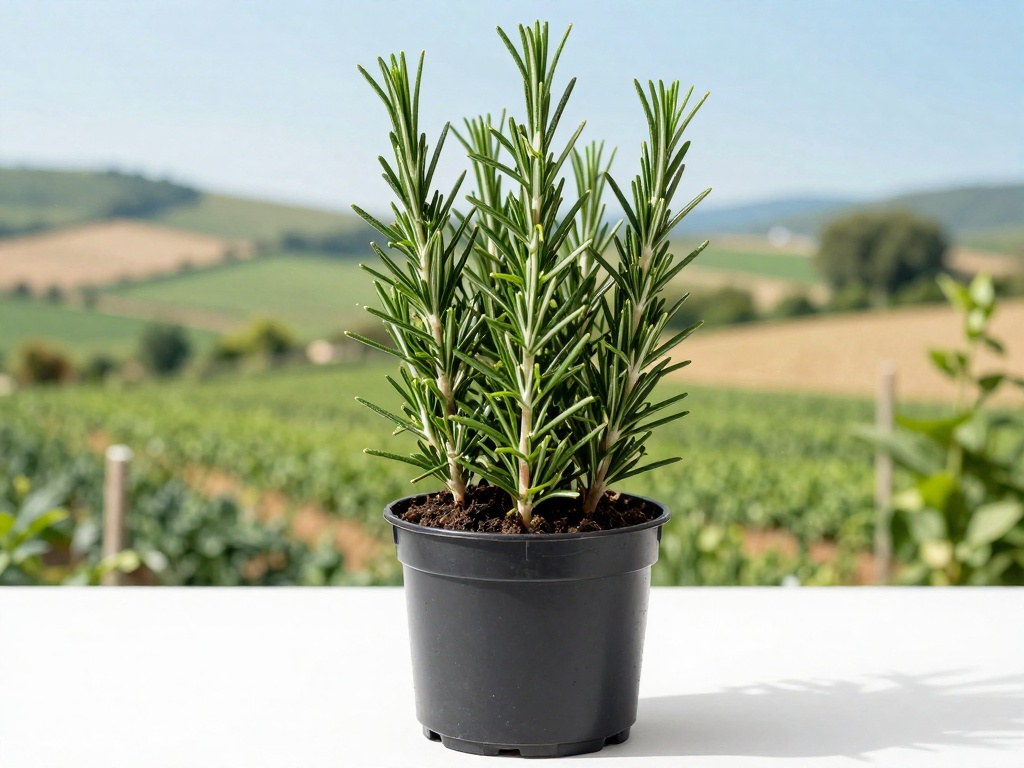
How to Plant Rosemary in Pots: 2026 Beginner's Guide
Welcome to your complete guide on rosemary planting in pots beginners need to know. Growing rosemary in containers offers incredible flexibility for gardeners with limited space, enabling you to cultivate this fragrant Mediterranean herb on your patio, balcony, or even your kitchen windowsill. This aromatic herb not only enhances your culinary creations but also fills your garden with its distinctive pine-like fragrance throughout the growing season.
Whether you live in a small apartment or simply want the convenience of moving your herbs indoors during cold weather, planting rosemary in pots provides the perfect solution. In this guide, we'll walk you through every step of the process, from selecting the right container to harvesting your first bountiful crop of fresh rosemary.
Why Choose Container Gardening for Rosemary
Container gardening has become increasingly popular among modern gardeners, and rosemary is particularly well-suited for this growing method. When you grow rosemary in containers, you gain complete control over soil conditions, drainage, and mobility.
Benefits of Growing Rosemary in Pots
Growing rosemary in pots offers numerous advantages that make it an ideal choice for beginners. First, containers allow you to move your plants to optimal locations throughout the year, ensuring they receive adequate sunlight during summer months and protection from frost during winter. Second, pot cultivation prevents rosemary from spreading aggressively, which can sometimes occur when planted directly in garden beds. Third, container-grown rosemary is less susceptible to soil-borne diseases and pests that commonly affect garden plantings.
Additionally, herb gardening in containers enables apartment dwellers and urban gardeners to enjoy fresh, homegrown herbs without requiring a traditional garden space. Fresh rosemary adds exceptional flavor to roasted meats, bread, and Mediterranean dishes, making it a valuable addition to any kitchen garden.
Choosing the Right Pot for Rosemary
Selecting an appropriate container is crucial for successful rosemary planting in pots for beginners. The pot you choose directly impacts drainage, root development, and overall plant health.
Pot Size and Material Recommendations
For young rosemary plants, start with a pot that is at least 12 inches in diameter and 12 inches deep. This size provides adequate room for root establishment while maintaining proper soil volume. As your rosemary grows, you may need to transplant it to a larger container—typically 16 to 18 inches in diameter—to accommodate expanding root systems.
Terra cotta pots are excellent choices for rosemary because they offer superior breathability and moisture regulation. Their porous nature allows air circulation to the roots while preventing water from accumulating. However, terra cotta dries out faster, so you may need to water more frequently. Plastic and resin containers retain moisture longer but ensure they have adequate drainage holes to prevent root rot.
Drainage Requirements
Proper drainage is non-negotiable when growing rosemary in pots. This Mediterranean herb thrives in dry conditions and cannot tolerate waterlogged soil. Always select pots with multiple drainage holes at the bottom. Consider elevating your container slightly using pot feet or small stones to ensure excess water escapes freely. Adding a layer of gravel or broken pottery pieces at the base of your pot further improves drainage and prevents soil from blocking the holes.
Selecting the Ideal Soil Mix
Creating the right soil environment is essential for successful rosemary planting in pots beginners can master. Rosemary requires well-draining, slightly alkaline soil that mimics its native Mediterranean habitat.
Commercial Potting Mix vs. Custom Blend
For beginners, a high-quality commercial potting mix designed for herbs or succulents works well. Look for mixes labeled as "fast-draining" or "cactus and succulent mix." These formulations typically contain perlite, sand, or vermiculite that promote excellent drainage and aeration.
If you prefer creating your own blend, combine equal parts of standard potting soil, coarse sand, and perlite or pumice. This custom mixture ensures optimal drainage while retaining enough moisture for healthy root development. Avoid using garden soil or heavy clay-based mixes, as these compact easily in containers and retain excessive moisture that leads to root rot.
Soil pH and Amendments
Rosemary prefers slightly alkaline soil with a pH range between 6.0 and 7.5. Most commercial potting mixes fall within this range naturally. If your soil tests too acidic, add a small amount of agricultural lime according to package directions. Incorporating a handful of crushed limestone or oyster shells provides slow-release minerals that maintain optimal pH levels throughout the growing season.
Step-by-Step Planting Instructions
Now that you've prepared your container and soil, it's time to plant your rosemary. Follow these detailed steps for successful herb container gardening.
When to Plant Rosemary in Pots
The best time to plant rosemary outdoors is in spring after all danger of frost has passed and soil temperatures reach at least 60°F (15°C). In regions with mild winters (USDA zones 7 and above), you can also plant in fall. For indoor growing, rosemary can be planted year-round, though spring planting coincides with the herb's natural active growth period.
Planting Process
Begin by filling your pot with the prepared soil mix, leaving approximately two inches of space below the pot's rim. If using a nursery-bought rosemary plant, gently remove it from its container and loosen the root ball slightly with your fingers. This encourages roots to grow outward into the new soil rather than continuing to spiral.
Place the plant in the center of your pot at the same depth it was growing in its previous container—never bury the stem deeper than it was originally growing. Backfill around the root ball with additional soil mix, pressing firmly but gently to eliminate air pockets. Water thoroughly until water flows freely from the drainage holes, then allow the soil to drain completely.
For those starting from seed, note that rosemary germination is notoriously slow and inconsistent. Beginning with a nursery plant or rooted cutting is strongly recommended for beginners to ensure successful establishment.
Caring for Potted Rosemary
Proper care ensures your rosemary thrives and provides you with abundant harvests. Understanding this Mediterranean herb's needs for sunlight, water, and nutrients is essential for long-term success.
Sunlight Requirements
Rosemary demands full sun exposure—at minimum six to eight hours of direct sunlight daily. Place your container in the sunniest location available, whether that's a south-facing patio, deck, or windowsill. During hot summer months in southern climates, afternoon shade can help prevent heat stress, but the plant should still receive ample morning sun.
If growing rosemary indoors, position it near a bright window that receives maximum natural light. During winter months or in homes with limited natural light, supplement with a grow light positioned 6 to 12 inches above the plant for 12 to 14 hours daily.
Watering Schedule
The most common mistake beginners make when growing rosemary is overwatering. This drought-tolerant herb prefers to dry out between waterings. Allow the top inch of soil to dry completely before watering again. When you do water, apply water slowly and thoroughly until it drains from the bottom, ensuring the entire root ball receives moisture.
During summer heat, you may need to water every two to three days. In cooler months or indoors, watering once every seven to ten days is typically sufficient. Always check soil moisture before watering—rosemary tolerates drought far better than soggy conditions that promote root rot and fungal diseases.
Feeding and Fertilization
Rosemary is a light feeder that doesn't require heavy fertilization. Over-fertilizing leads to excessive foliage growth with reduced fragrance and flavor concentration. Apply a diluted, balanced liquid fertilizer (such as 10-10-10) at half-strength once monthly during the growing season (spring through early fall). Stop fertilizing entirely during winter when growth naturally slows.
Pruning and Maintenance Tips
Regular pruning keeps your potted rosemary compact, bushy, and productive. Proper maintenance also prevents the plant from becoming leggy or woody too quickly.
How and When to Prune
Begin pinching or trimming stem tips when your rosemary plant reaches approximately six inches in height. This encourages branching and creates a fuller, more productive plant. Use clean, sharp scissors or pruning shears to harvest sprigs as needed, cutting just above a leaf node (where leaves attach to the stem).
The ideal time for heavier pruning is in early spring as new growth emerges. Remove up to one-third of the plant's overall size, cutting back to outward-facing buds to maintain an open, spreading form. Never remove all green growth at once—always leave enough foliage for the plant to photosynthesize and recover.
Overwintering Rosemary Indoors
In colder climates (USDA zones 6 and below), overwintering rosemary in pots requires bringing the plant indoors before first frost. Transition your plant gradually by moving it to a partially shaded outdoor location for one to two weeks before bringing it inside. This acclimation period prevents shock from sudden environmental changes.
Indoor Care During Winter
Indoor rosemary benefits from the same bright light requirements as outdoor growing. Place your plant near your sunniest window, preferably one with southern exposure. Indoor heating creates dry air that can stress rosemary, so consider placing the container on a pebble tray filled with water to increase humidity around the plant. Ensure good air circulation to prevent fungal problems that thrive in stagnant conditions.
Reduce watering frequency during winter since growth slows and the plant requires less moisture. Monitor for common indoor pests such as spider mites, aphids, and whiteflies, treating infestations promptly with insecticidal soap or neem oil.
Common Problems and Solutions
Even with proper care, beginners may encounter challenges when growing rosemary in containers. Understanding common problems helps you address issues quickly and maintain a healthy plant.
Yellowing Leaves
Yellow leaves typically indicate overwatering or poor drainage. Check that your pot has adequate drainage holes and that you're allowing the soil to dry between waterings. If the soil remains consistently wet, consider repotting with fresh, well-draining soil mix and reducing watering frequency.
Leggy or Sparse Growth
Insufficient light causes rosemary to stretch toward available light sources, resulting in weak, leggy growth. Move your plant to a brighter location or provide supplemental grow lighting. Regular pinching of stem tips also encourages bushier, more compact growth.
Root Rot
Root rot occurs when soil remains waterlogged, typically from overwatering or inadequate drainage. Signs include wilting despite moist soil, mushy brown roots, and a musty smell from the soil. If caught early, remove affected plants, trim away rotted roots, and repot in fresh, dry soil. Severe cases may require discarding the plant and starting anew with improved drainage practices.
Harvesting Your Rosemary
The reward for proper care is a bountiful harvest of fresh, aromatic rosemary. Knowing when and how to harvest ensures continued plant productivity.
Harvesting Techniques
Begin harvesting once your rosemary plant is well-established and shows vigorous new growth, typically three to four months after planting. Cut sprigs as needed using clean scissors or pruning shears. Harvest in the morning when essential oils are most concentrated for maximum flavor and fragrance.
Take sprigs from different areas of the plant rather than harvesting from a single location. Never remove more than one-third of the plant at one time to prevent stress. Regular harvesting actually promotes bushier growth and increased production over time.
Storing Fresh Rosemary
Fresh rosemary sprigs can be stored in the refrigerator for up to two weeks when wrapped loosely in a damp paper towel and placed in a plastic bag. For longer storage, dry sprigs by hanging small bunches upside down in a warm, dry, well-ventilated location away from direct sunlight. Once completely dried, store leaves in airtight containers in a cool, dark place for up to one year.
FAQ: Rosemary Planting in Pots Beginners
What is the best time of year to plant rosemary in containers?
The optimal time for planting rosemary in pots is spring, after all frost danger has passed and soil temperatures reach at least 60°F (15°C). This timing allows the plant to establish during warm summer months. In mild climates (USDA zones 7+), fall planting also works well, giving roots time to settle before winter dormancy.
How often should I water my potted rosemary?
Water your rosemary when the top inch of soil feels completely dry—typically every two to three days during summer and every seven to ten days during cooler months. The frequency depends on temperature, humidity, pot material, and indoor vs. outdoor conditions. Always err on the side of underwatering rather than overwatering, as rosemary is highly drought-tolerant.
Why is my rosemary dying in the pot?
Rosemary death in containers is usually caused by overwatering and root rot, insufficient sunlight, or sudden environmental changes. Ensure your pot has excellent drainage, water only when soil dries, provide at least six hours of direct sunlight, and avoid moving the plant frequently. Check roots for brown, mushy areas indicating rot—if caught early, trim affected roots and repot in fresh soil.
Can rosemary grow indoors in pots year-round?
Yes, rosemary can thrive indoors year-round with proper care. Place it in your sunniest window, preferably south-facing, and provide supplemental grow lights during winter months. Maintain moderate humidity, ensure good air circulation, and follow the same watering guidelines as outdoor growing. Indoor rosemary may grow more slowly during winter but will remain productive with consistent care.
What size pot does rosemary need to grow successfully?
Start with a pot at least 12 inches in diameter and 12 inches deep for young rosemary plants. As the plant matures, upgrade to a 16 to 18-inch container to accommodate root growth. Terra cotta pots are ideal because they provide excellent drainage and air circulation, but any material works if it has adequate drainage holes and is sized appropriately for the plant.
How long does it take for rosemary to grow from planting to harvest?
Rosemary established from nursery plants can be harvested within three to four months of planting. Plants grown from cuttings take approximately six to nine months to reach harvestable size. Seeds germinate slowly and inconsistently, often requiring six months to a year before producing a harvestable plant. Patience is essential—rosemary is a perennial that rewards gardeners with years of productivity once established.
Do I need to fertilize my potted rosemary, and if so, how often?
Rosemary is a light feeder that requires minimal fertilization. Apply a diluted balanced liquid fertilizer (such as 10-10-10) at half-strength once monthly during the growing season (spring through early fall). Avoid fertilizing during winter when growth naturally slows. Over-fertilization causes excessive foliage with reduced essential oils and diminished flavor.
No comments