
2026 Bay Leaf Tree Care Guide: Expert Tips for Thriving Plants
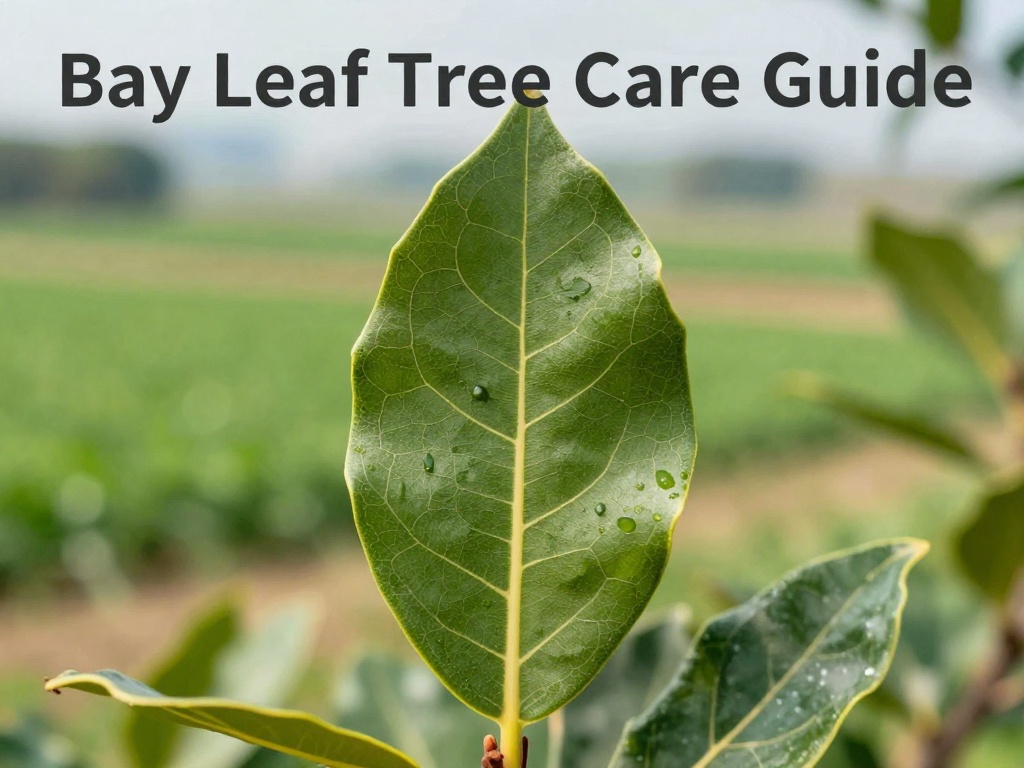
2026 Bay Leaf Tree Care Guide: Expert Tips for Thriving Plants
The bay leaf tree, scientifically known as Laurus nobilis, is a versatile Mediterranean evergreen that rewards growers with aromatic leaves perfect for culinary adventures. This comprehensive bay leaf tree care guide for 2026 covers everything from planting to harvest, helping you cultivate a thriving specimen in your garden or container.
Whether you are growing bay laurel in a sunny backyard or maintaining a compact plant on your kitchen windowsill, proper care techniques make the difference between a struggling shrub and a flourishing tree. Understanding the specific needs of this ancient herb ensures years of fresh, flavorful harvests.
Understanding Your Bay Leaf Tree's Basic Needs
Bay laurel trees originate from Mediterranean regions where they evolved in warm, sunny conditions with well-draining soil. Replicating these environmental preferences in your garden or home creates the foundation for successful growth. This hardy evergreen adapts remarkably well to various settings when its fundamental requirements are met.
The tree can reach heights of 10 to 60 feet in ideal conditions, though container-grown specimens typically remain manageable at 4 to 6 feet. Its dense, pyramidal form and glossy, leathery leaves make it an attractive ornamental plant beyond its culinary value.
Climate and Temperature Requirements
Bay leaf trees thrive in USDA hardiness zones 8 through 10, tolerating temperatures as low as 20°F (-6°C). In cooler regions, these trees excel as container specimens that spend summers outdoors and winters in bright, frost-free locations. Understanding your local climate determines whether outdoor planting or container gardening suits your situation best.
During winter months, protect container plants from freezing by moving them to a garage, greenhouse, or bright south-facing window. Outdoor trees benefit from strategic placement near walls that radiate absorbed heat, creating a microclimate favorable for cold tolerance.
Sunlight Preferences for Maximum Growth
Full sun exposure of 6 to 8 hours daily produces the most vigorous growth and concentrated essential oils in bay leaves. While these trees tolerate partial shade, reduced light results in leggy growth and diminished aroma intensity. Position your bay leaf tree where it receives unfiltered morning sunlight for optimal results.
Container plants appreciate afternoon shade in regions with intense summer heat, preventing leaf scorch while maintaining healthy photosynthesis. East-facing locations often provide the ideal balance of morning sun and afternoon protection.
Essential Watering Practices for Healthy Growth
Proper irrigation ranks among the most critical aspects of bay leaf tree care, as both overwatering and underwatering stress these Mediterranean natives. The goal is maintaining consistently moist soil without waterlogging, mimicking natural rainfall patterns in their native habitat.
Establishing the Right Watering Schedule
Water deeply when the top 2 inches of soil feel dry to the touch, typically once weekly during growing season. Reduce frequency during winter months when evaporation slows and the tree's water requirements decrease. Always use containers with adequate drainage holes to prevent root rot, a common issue in neglected specimens.
Deep watering encourages extensive root development, producing a more resilient tree better equipped to handle environmental stress. Shallow, frequent watering creates dependency on human intervention and weakens the plant's natural drought tolerance.
Recognizing Watering Problems
Yellowing leaves often indicate overwatering, while crispy, brown leaf edges suggest insufficient moisture or low humidity. Drooping foliage may signal either extreme, requiring careful assessment of soil conditions before corrective action. Monitor your tree consistently to identify problems early and adjust your watering routine accordingly.
Mulching around the base of outdoor trees helps retain moisture, regulate soil temperature, and reduce watering frequency. Apply 2 to 3 inches of organic mulch, keeping the material several inches away from the trunk to prevent fungal issues.
Soil Requirements and Nutrition Management
Bay laurel trees demonstrate impressive adaptability to various soil types provided drainage remains adequate. This bay leaf tree care guide emphasizes soil quality as fundamental to long-term health and productivity. Poorly draining soils suffocate roots and invite disease, while overly rich conditions produce lush growth lacking concentrated flavors.
Ideal Soil Composition
Combine equal parts quality potting mix, perlite, and coarse sand for container specimens, creating a fast-draining medium that satisfies bay laurel's preferences. Outdoor plantings succeed in average garden soil amended with compost to improve texture and drainage. Avoid heavy clay soils that retain excessive moisture during wet seasons.
A soil pH between 6.0 and 7.5 suits bay laurel cultivation, matching the slightly acidic to neutral range typical of many garden settings. Perform a simple soil test every few years to monitor pH stability and adjust as needed with agricultural lime or sulfur applications.
Feeding Schedule for Thriving Plants
Apply balanced, slow-release fertilizer in early spring as new growth emerges, providing nutrients for the active growing season. A formula with equal nitrogen, phosphorus, and potassium such as 10-10-10 supports healthy foliage development without excessive growth spurts. Container plants benefit from diluted liquid fertilizer applied every 4 to 6 weeks during summer months.
Avoid high-nitrogen fertilizers that promote excessive vegetative growth at the expense of essential oil concentration. Organic options like fish emulsion or seaweed extract provide gentle nutrition while supporting soil biological activity.
Pruning and Shaping Techniques
Regular pruning maintains your bay leaf tree's shape, encourages bushy growth, and provides abundant harvestable foliage. This essential maintenance task transforms leggy specimens into compact, productive plants suitable for gardens and containers alike.
When and How to Prune
Prune in late winter or early spring before active growth resumes, shaping the tree to your desired form. Remove dead, damaged, or crossing branches first, then address overall shape requirements. Bay laurel responds well to heavy pruning and can be maintained as a formal hedge, small tree, or container specimen through regular trimming.
Harvest leaves regularly by snipping individual foliage from stems, encouraging branching at the cut points. This continuous harvest naturally shapes the tree while providing fresh ingredients for your kitchen. Never remove more than one-third of the plant's total growth in a single pruning session.
Training Young Trees
Begin shaping young bay laurel trees early, establishing a strong central leader for tree forms or pinching tips to encourage bushy shrub-like growth. Container specimens benefit from regular tip pruning to maintain compact dimensions and promote dense foliage production. Early training simplifies maintenance throughout the tree's life.
Common Pests and Disease Management
While relatively pest-resistant, bay leaf trees occasionally encounter challenges requiring attention. Understanding common problems enables early intervention, protecting your tree's health and productivity throughout its lifespan.
Identifying and Treating Common Pests
Scale insects, mealybugs, and spider mites occasionally infest bay laurel, appearing as small bumps, white cottony masses, or fine webbing on leaves and stems. Treat minor infestations by wiping affected areas with rubbing alcohol-dampened cotton swabs. Severe cases respond to horticultural oil sprays applied according to product directions.
Prevent pest problems by maintaining good air circulation around your tree, avoiding water stress, and regularly inspecting foliage for early signs of infestation. Healthy, well-cared-for specimens resist pest pressure more effectively than stressed plants.
Fungal and Bacterial Concerns
Root rot develops in waterlogged conditions, causing wilting, leaf drop, and eventual plant death if unaddressed. Prevent this issue through proper drainage and measured watering practices. Leaf spot diseases occasionally appear as brown or black patches, often resolving without treatment in healthy trees.
Bay laurel contains essential oils that naturally repel many common garden pests, contributing to its reputation as a low-maintenance herb. This natural resistance makes organic cultivation straightforward for home growers seeking chemical-free herbs.
Propagation Methods for Expanding Your Collection
Growing new bay leaf trees from cuttings or seeds allows you to expand your herb garden or share plants with fellow gardening enthusiasts. While propagation requires patience, the rewarding process multiplies your culinary resources significantly.
Growing from Stem Cuttings
Take 4 to 6 inch cuttings from semi-hardwood growth in summer, removing lower leaves and dipping cut ends in rooting hormone. Plant in a moistened mixture of perlite and peat moss, maintaining high humidity until roots develop. This method preserves the parent plant's desirable characteristics, ensuring consistent flavor and growth habits.
Seed Propagation Considerations
Bay laurel seeds require stratification and germinate slowly over several months, making this method less practical for most home growers. Seeds from hybrid varieties may not produce plants true to the parent, potentially resulting in inferior specimens. Cuttings remain the recommended propagation method for guaranteed results.
Harvesting and Storing Your Bay Leaves
Homegrown bay leaves offer superior flavor compared to dried commercial products, harvested fresh as needed throughout the year. Proper harvesting techniques and storage methods preserve the aromatic qualities that make this herb so valuable in cooking.
Optimal Harvest Timing and Techniques
Harvest mature leaves from stems that have developed fully, typically leaves that have been on the plant for at least one year. Snip entire stems rather than individual leaves for easier handling, then strip foliage for immediate use or drying. Morning harvest captures peak essential oil concentration.
Fresh bay leaves deliver bright, herbal notes ideal for soups, stews, and sauces where they infuse throughout cooking. Add leaves early in long-cooking dishes, removing before serving as the whole leaves remain stiff even after extended cooking.
Drying and Storage Recommendations
Air dry harvested leaves by spreading them in a single layer on screens in a warm, dry location with good air circulation. Alternatively, use a dehydrator set to low temperatures, checking regularly until leaves become crispy. Properly dried leaves store for two years or longer in airtight containers away from light and heat.
Overwintering Bay Leaf Trees in Cold Climates
Growers in northern regions successfully maintain bay laurel through winters by understanding the plant's dormancy requirements and providing appropriate protection. This essential skill extends the versatility of bay leaf tree care to gardeners nationwide.
Container Transition Strategies
Gradually move container plants indoors in fall before frost threatens, acclimating them to lower light conditions over several days. Position in the brightest available window, ideally one receiving 6 or more hours of direct sunlight. Reduce watering and pause fertilization during the winter dormancy period.
Outdoor Protection Methods
Establish young trees in sheltered microclimates such as south-facing walls, taking advantage of reflected heat and wind protection. Apply thick mulch layers around the root zone and consider burlap wrapping in regions experiencing occasional severe freezes. Mature specimens in protected locations often survive winters in zone 7 with minimal intervention.
Troubleshooting Common Bay Leaf Tree Problems
Even well-maintained bay laurel occasionally develops issues requiring diagnosis and corrective action. This troubleshooting guide addresses frequent concerns, helping you restore plant health quickly and effectively.
Leaf Discoloration and Drop
Brown leaf tips typically indicate low humidity, underwatering, or salt buildup from softened water or excessive fertilizer. Increase humidity through misting or pebble trays, adjust watering practices, and flush containers monthly to remove accumulated salts. Yellowing leaves suggest overwatering or nutrient deficiency, requiring assessment of soil moisture and potential fertilizer application.
Stunted Growth and Poor Vigor
Slow growth often stems from insufficient light, rootbound conditions in containers, or nutrient depletion in aging soil. Evaluate growing conditions and repot container plants every two to three years with fresh soil medium. Feed established specimens with balanced fertilizer to restore vigor and promote healthy new growth.
Frequently Asked Questions About Bay Leaf Tree Care
How often should I water my bay leaf tree?
Water when the top 2 inches of soil feel dry, typically once weekly during growing season. Reduce to every 10 to 14 days during winter dormancy. Container plants typically require more frequent watering than garden specimens due to faster soil drying.
Can bay leaf trees grow indoors year-round?
Yes, bay laurel thrives indoors with adequate light from a south-facing window receiving 6 to 8 hours of sunlight daily. Maintain indoor temperatures between 60 and 70°F and boost humidity through regular misting or humidity trays. Rotate plants periodically for even growth exposure.
What is the best fertilizer for bay leaf trees?
Apply balanced, slow-release fertilizer such as 10-10-10 in early spring for outdoor specimens. Container plants benefit from diluted liquid fertilizer every 4 to 6 weeks during summer. Avoid over-fertilizing, which produces lush growth with diminished essential oil concentration.
How long does it take to grow a bay leaf tree from a cutting?
Cuttings typically develop roots within 6 to 8 weeks under proper conditions. Once rooted, transplanted cuttings establish quickly and can be harvested lightly within one to two years. The tree reaches mature harvesting size in approximately 3 to 5 years under optimal care.
Why are my bay leaf tree's leaves turning brown?
Brown leaf edges indicate low humidity, underwatering, salt accumulation, or cold damage. Assess your watering practices, check for rootbound conditions, and evaluate whether the plant receives adequate protection from drying winds. Adjust care routines based on your specific environmental conditions.
When and how should I prune my bay leaf tree?
Prune in late winter or early spring before new growth emerges. Remove dead or crossing branches first, then shape the tree as desired. Bay laurel tolerates heavy pruning well and can be maintained at various sizes through regular trimming. Never remove more than one-third of total growth annually.
Can I grow bay leaf trees in containers on a patio?
Absolutely, container growing suits bay laurel perfectly, allowing mobility for seasonal repositioning and winter protection. Choose pots at least 18 inches in diameter with adequate drainage holes. Use quality potting mix with perlite for improved drainage and repot every two to three years as the tree grows.
What common mistakes should I avoid in bay leaf tree care?
Avoid overwatering, which causes root rot, and positioning in full shade, which produces weak, leggy growth. Refrain from using high-nitrogen fertilizers that reduce essential oil concentration. Don't harvest too heavily from young plants, allowing establishment before regular harvesting begins.
No comments