
2026 Epsom Salt Herb Feeding Guide: Complete Grower's Manual
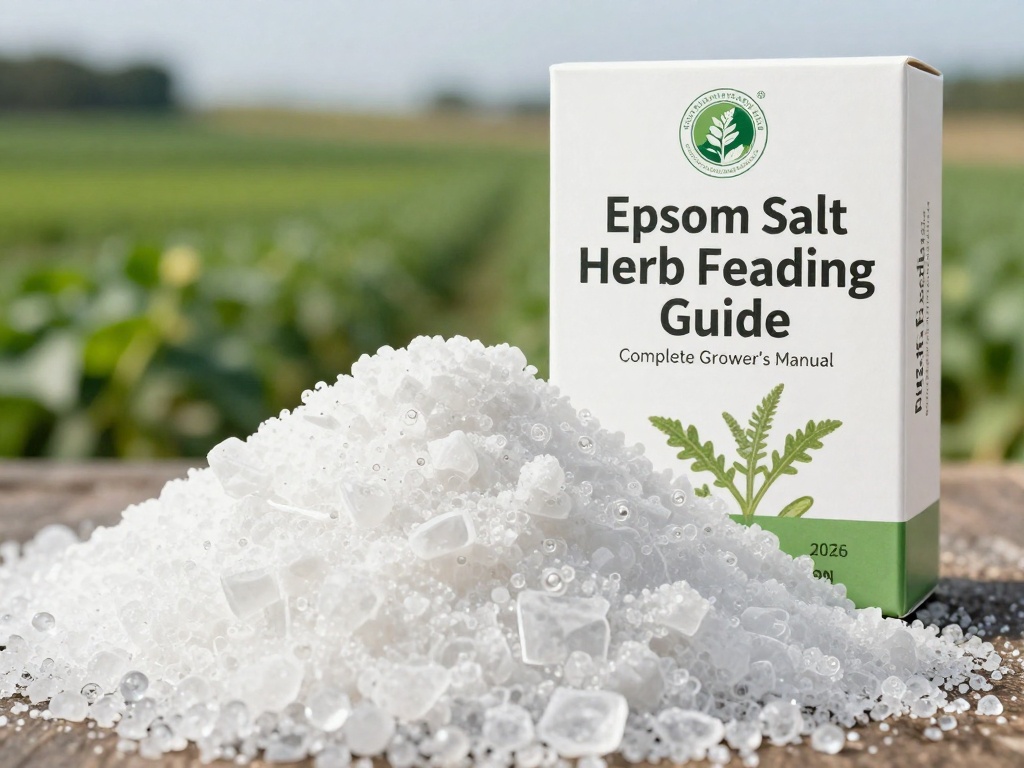
2026 Epsom Salt Herb Feeding Guide: Complete Grower's Manual
Epsom salt herb feeding is one of the most effective and affordable ways to boost the health and flavor of your culinary and medicinal herbs. This complete guide covers everything you need to know about using Epsom salt for herbs in containers, raised beds, and garden plots. Whether you are growing basil, mint, rosemary, or thyme, understanding the proper application of magnesium sulfate can transform your herb garden from average to exceptional.
Why Epsom Salt Works Wonders for Herbs
Epsom salt is actually magnesium sulfate, a naturally occurring mineral compound that provides two essential nutrients for plant growth. Magnesium plays a critical role in photosynthesis by helping plants absorb sunlight and convert it into energy. Sulfur supports protein synthesis and enzyme function, contributing to the development of aromatic oils that give herbs their distinctive flavors and fragrances.
The Science Behind Magnesium and Sulfur
When herbs experience magnesium deficiency, they often display yellowing leaves, stunted growth, and reduced essential oil production. This translates directly into less flavorful harvests and weaker plants. By supplementing with Epsom salt herb feeding, you restore these vital nutrients and encourage stronger root development, lusher foliage, and more concentrated aromatic compounds in your herbs.
Step-by-Step Epsom Salt Application Methods
Method 1: Foliar Spray Application
Foliar spraying provides the fastest nutrient absorption for your herbs. Mix one tablespoon of Epsom salt per gallon of water in a spray bottle. Apply this solution directly to the leaves every two weeks during the growing season, preferably in the early morning or late afternoon to prevent leaf burn. This method works exceptionally well for basil, cilantro, and parsley.
Method 2: Soil Drenching for Root Absorption
For herbs grown in containers or raised beds, soil drenching delivers nutrients directly to the root zone. Dissolve two tablespoons of Epsom salt in one gallon of water and apply around the base of each plant every four to six weeks. This slow-release approach ensures consistent nutrient availability throughout the growing cycle.
Method 3: Direct Soil Incorporation
When preparing your herb garden beds, incorporate one cup of Epsom salt per 100 square feet of planting area. Work it into the top few inches of soil before planting. This method provides a long-term nutrient foundation and is ideal for perennial herbs like oregano, thyme, and sage that return year after year.
Best Herbs for Epsom Salt Feeding
Leafy Annual Herbs
Basil responds remarkably well to Epsom salt herb feeding, producing bushier plants with more intensely flavored leaves. Cilantro, dill, and chives also benefit significantly from magnesium supplementation, showing improved leaf production and extended harvest windows.
Aromatic Perennial Herbs
Rosemary, thyme, oregano, and sage thrive with regular Epsom salt applications. These Mediterranean herbs naturally prefer slightly alkaline conditions, and the sulfate component helps maintain optimal soil pH while supporting their signature aromatic oil production.
Timing Your Epsom Salt Herb Feeding
For maximum effectiveness, begin your Epsom salt herb feeding program in early spring when new growth emerges. Continue applications every four to six weeks throughout the active growing season, which typically runs from March through October in most temperate regions. Reduce or stop applications during winter dormancy to prevent nutrient buildup in container-grown herbs.
Seasonal Feeding Schedule
Early Spring: Apply initial dose when plants show signs of new growth.
Mid-Summer: Maintain regular feeding every four weeks during peak production.
Late Summer: Begin reducing frequency as growth slows.
Fall: Stop feeding outdoor herbs as temperatures drop.
Common Mistakes to Avoid
Over-application is the most frequent error in Epsom salt herb feeding. Excessive magnesium can lock out other essential nutrients like calcium and potassium, causing more harm than good. Always err on the side of under-application and observe your plants for positive responses before increasing doses.
Using table salt or other salt varieties instead of pure Epsom salt can damage herb roots and soil health. Ensure you purchase food-grade magnesium sulfate specifically labeled as Epsom salt from reputable garden centers or suppliers.
Signs Your Herbs Need Epsom Salt
Watch for these indicators that your herbs would benefit from magnesium supplementation: pale or yellowing leaves while veins remain green, slow or stunted growth despite adequate watering, reduced aromatic intensity in harvested leaves, and weak stems that cannot support the plant's weight.
Cost-Effectiveness and Practical Benefits
One of the greatest advantages of Epsom salt herb feeding is its affordability. A five-pound bag typically costs less than ten dollars and treats dozens of container herbs or an entire small garden bed for an entire growing season. This organic approach eliminates the need for expensive synthetic fertilizers while producing healthier, more flavorful herbs for your kitchen.
FAQ
Can I use Epsom salt on all types of culinary herbs?
Yes, most culinary herbs respond positively to Epsom salt herb feeding, including basil, mint, rosemary, thyme, oregano, sage, cilantro, dill, and parsley. Start with conservative applications and adjust based on your plants' responses.
How often should I apply Epsom salt to my herbs?
For most herbs, apply Epsom salt every four to six weeks during the growing season. Container herbs may need more frequent applications due to leaching from regular watering, while garden herbs can typically go six to eight weeks between treatments.
What happens if I apply too much Epsom salt?
Over-application can cause leaf curling, brown leaf tips, and nutrient imbalances. If you suspect over-application, flush the soil thoroughly with plain water and wait several weeks before resuming with a diluted solution.
Is Epsom salt safe for organic gardening?
Yes, Epsom salt is approved for organic gardening and is considered a natural mineral supplement. It contains no harmful chemicals or synthetic ingredients, making it an excellent choice for growing organic herbs.
When will I see results from Epsom salt herb feeding?
Most gardeners notice improved plant vigor and deeper green coloration within two to three weeks of the first application. Significant improvements in growth rate and flavor concentration typically appear within four to six weeks of regular feeding.
Can I combine Epsom salt with other fertilizers?
Yes, Epsom salt works well alongside most organic fertilizers. However, avoid combining it with calcium-based fertilizers simultaneously, as this can cause nutrient lockout. Apply Epsom salt and other supplements at least one week apart for best results.
No comments