
Indoor Herb Garden Setup for Beginners 2026: Complete Guide
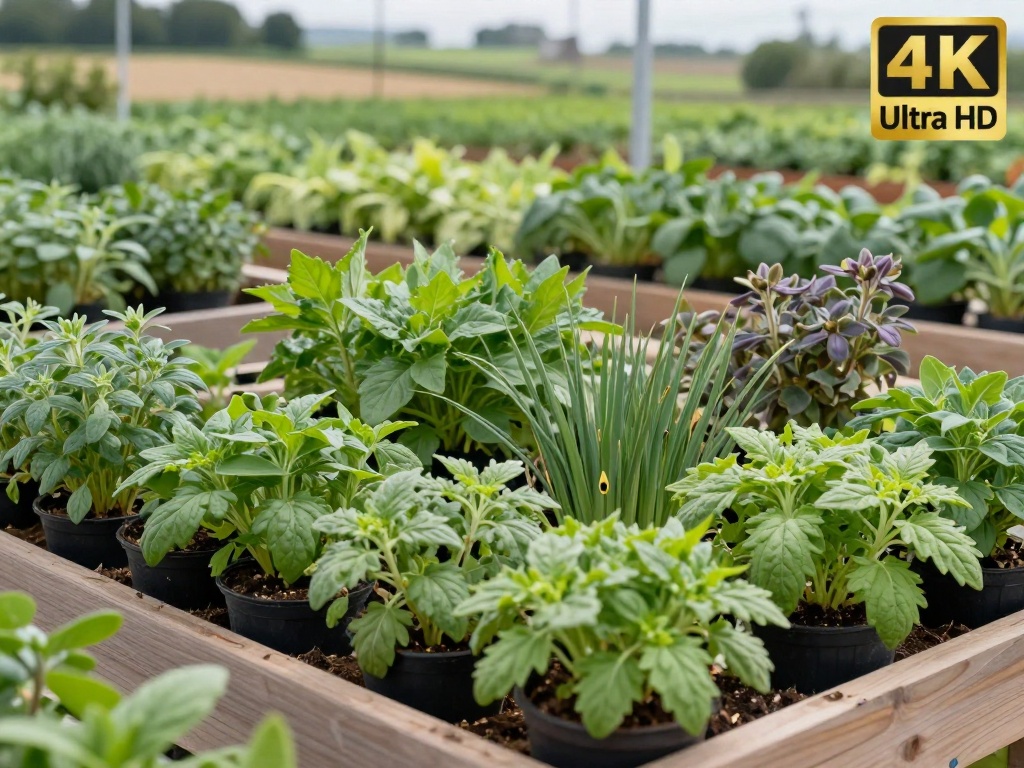
Indoor Herb Garden Setup for Beginners 2026: Complete Guide
Starting an indoor herb garden setup for beginners is one of the most rewarding decisions you can make for your kitchen and your well-being. Fresh herbs elevate every dish, and growing them indoors means you can harvest basil, mint, and rosemary regardless of the season outside. This complete guide walks you through every step so you can transform a sunny windowsill into a thriving herb sanctuary.
Why Choose an Indoor Herb Garden?
Growing herbs indoors offers unmatched convenience and control. You eliminate dependence on weather conditions, reduce trips to the grocery store, and always have aromatic garnishes within arm's reach. Indoor gardens also improve air quality and add natural beauty to your living space.
Benefits for Beginners
- Low initial investment compared to outdoor garden beds
- Year-round growing season regardless of climate
- Compact setup perfect for apartments and small spaces
- Fewer pests and diseases than outdoor gardens
- Immediate access to freshly harvested herbs
Essential Supplies for Your Indoor Herb Garden Setup
Before purchasing supplies, assess your available space and lighting conditions. Most herbs need at least 6 hours of sunlight daily, so south-facing windows work best. If natural light is limited, grow lights provide an effective alternative.
Choosing the Right Containers
Select pots with adequate drainage holes to prevent root rot. Terra cotta containers are excellent for beginners because they allow soil to breathe and dry out evenly. Each herb typically needs a container at least 6 inches deep, though larger varieties like basil prefer 8-10 inches of depth.
Quality Potting Mix
Never use garden soil for indoor containers. Instead, invest in a premium potting mix designed for container gardening. Look for mixes containing perlite, peat moss, and vermiculite for optimal drainage and nutrient retention.
Essential Tools for Beginners
- Small trowel for planting and transplanting
- Watering can with a fine rose attachment
- Moisture meter to prevent overwatering
- Pruning shears for harvesting
- Plant labels to track your varieties
Step-by-Step Indoor Herb Garden Setup Process
Step 1: Select Your Herbs
Start with three to five easy-to-grow varieties that you actually use in cooking. Beginner-friendly herbs include basil, chives, mint, parsley, and thyme. These varieties are forgiving of occasional neglect and adapt well to indoor conditions.
Step 2: Find the Perfect Location
Your kitchen windowsill is ideal because it combines convenient access with adequate sunlight. Ensure the location maintains consistent temperatures between 60-70°F (15-21°C). Avoid spots near heating vents or drafty doorways that cause temperature fluctuations.
Step 3: Prepare Your Containers
Place a small piece of screen or coffee filter over drainage holes to prevent soil loss while allowing water to escape. Fill containers with potting mix, leaving about an inch of space below the rim. Moisten the soil lightly before planting.
Step 4: Plant Your Herbs
Follow seed packet or plant tag instructions for planting depth. Generally, seeds should be covered with soil equal to twice their diameter. For established seedlings, plant at the same depth they were growing in their original container. Water thoroughly after planting.
Step 5: Establish a Care Routine
Create a watering schedule based on your specific environment. Most herbs prefer slightly dry conditions between waterings. Check soil moisture with your finger or a moisture meter before watering. Fertilize every 2-4 weeks during active growth with a balanced, diluted liquid fertilizer.
Best Herbs for Indoor Growing Success
basil: The Kitchen Essential
Basil thrives in warm conditions and rewards consistent harvesting. Pinch off flower buds as they appear to encourage bushier growth and extend production. This herb pairs perfectly with tomato dishes, pasta, and fresh salads.
Mint: Vigorous and Forgiving
Mint grows aggressively and tolerates less light than many herbs. However, plant it in its own container because it will overtake neighboring plants. Use mint in beverages, desserts, and savory dishes.
Rosemary: Mediterranean Beauty
Rosemary prefers drier conditions and excellent drainage. It tolerates lower light levels and emits a wonderful fragrance when brushed. This woody herb is perfect for roasted meats and bread.
Chives: The Reliable Producer
Chives provide continuous harvests with minimal effort. Snip from the outside of clumps, leaving the center to regenerate. Their mild onion flavor enhances potatoes, eggs, and cream cheese dishes.
Common Mistakes to Avoid
Overwatering causes more indoor herb failures than underwatering. Always check soil moisture before adding water. Another frequent error is insufficient light—herbs become leggy and weak without adequate sun exposure. Finally, avoid crowding multiple herbs in a single small container, as this leads to competition and poor growth.
Troubleshooting Common Issues
Yellow Leaves
Yellowing leaves often indicate overwatering or nutrient deficiency. Reduce watering frequency and consider applying a diluted fertilizer if you have not fed your plants recently.
Leggy Growth
When stems stretch toward light sources with sparse foliage, your herbs need more sun. Move containers closer to windows or install supplemental grow lights.
Pest Problems
Indoor herbs occasionally attract aphids or spider mites. Combat these naturally by wiping leaves with a solution of water and mild dish soap, then rinsing thoroughly.
Maximizing Your Harvest
Regular harvesting encourages branching and produces bushier plants. Never remove more than one-third of the plant at once. Morning harvesting captures peak essential oil concentration for the strongest flavor and aroma.
FAQ
What is the easiest indoor herb garden setup for beginners?
The simplest setup for beginners is a south-facing windowsill with three to five small containers, quality potting mix, and easy-to-grow herbs like basil, mint, and chives. Start with established seedlings rather than seeds for faster results and higher success rates.
How much light do indoor herbs need?
Most culinary herbs require 6-8 hours of direct sunlight daily. South-facing windows typically provide adequate light. If your space lacks sufficient natural light, supplement with LED grow lights positioned 6-12 inches above plants for 12-14 hours daily.
What is the best soil for indoor herb gardens?
Use a high-quality, well-draining potting mix specifically formulated for containers. Avoid garden soil, which compacts and may harbor pests. Look for mixes containing peat moss, perlite, and vermiculite for optimal moisture balance.
How often should I water my indoor herb garden?
Watering frequency depends on your home's humidity and temperature, typically ranging from every 2-7 days. Always check soil moisture first by inserting your finger one inch deep—water only when the soil feels dry. Overwatering is the most common beginner mistake.
How long until I can harvest from my indoor herb garden?
With nursery seedlings, you can begin harvesting small amounts within 2-3 weeks. Seed-grown herbs typically take 6-8 weeks before first harvest. Start with light harvesting to encourage continued production throughout the growing season.
Can I grow herbs indoors year-round?
Yes, indoor herb gardens grow year-round with proper care. Maintain consistent temperatures between 60-70°F (15-21°C), ensure adequate light, and adjust watering frequency based on seasonal changes in humidity and plant growth rates.
No comments