
2026 Herb Spiral Garden Design Guide: Step-by-Step for Beginners
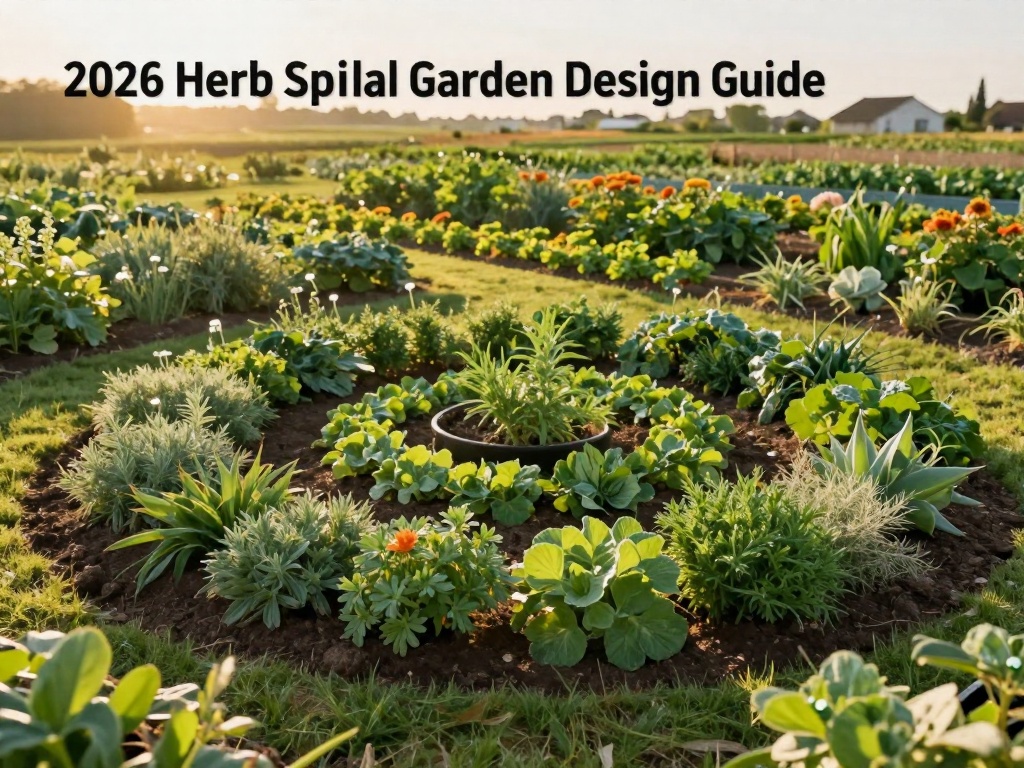
2026 Herb Spiral Garden Design Guide: Step-by-Step for Beginners
A herb spiral garden represents one of the most efficient and beautiful ways to grow culinary and medicinal herbs in any backyard. This guide provides complete instructions for designing and building your own herb spiral that creates multiple microclimates in a single, space-saving structure. Whether you are working with a small urban balcony or a spacious rural property, understanding herb spiral design principles will transform how you cultivate these valuable plants.
What is a Herb Spiral Garden?
A herb spiral is a vertical garden structure built in a spiral pattern that rises from ground level to approximately three feet high. This permaculture-inspired design creates distinct growing zones with varying moisture levels, soil types, and sun exposure all within one compact footprint. The structure allows you to grow herbs that would normally require different growing conditions side by side, maximizing your garden's potential.
The spiral shape naturally divides into three main zones: the dry, sunny top suited for Mediterranean herbs; the middle section offering balanced conditions; and the moist, shaded base perfect for herbs that prefer cooler, wetter environments. This clever design principle enables you to cultivate over twenty different herb varieties in a space measuring just four feet in diameter.
The Science Behind the Spiral Design
The effectiveness of a herb spiral design stems from its ability to create microclimates through orientation and elevation. The northern-facing side of the spiral remains shadier and cooler, retaining moisture longer, while the southern-facing slope receives maximum sun exposure and drains quickly. Water added at the top naturally flows downward, creating a moisture gradient that supports diverse plant needs.
Benefits of Herb Spiral Gardens
Herb spiral gardens offer remarkable advantages over traditional flat beds. The vertical structure extends your growing area upward, making it ideal for small spaces, containers, and raised beds. The diverse microclimates reduce the need for separate garden beds dedicated to different herb categories. Additionally, the dense planting pattern suppresses weeds, retains soil moisture, and creates a habitat for beneficial insects that naturally control pests.
Planning Your Herb Spiral Garden
Choosing the Perfect Location
Location selection significantly impacts your herb spiral's success. The ideal placement receives at least six hours of direct sunlight daily, which supports most culinary herbs. Position the spiral with the lowest point facing away from prevailing winds to protect more delicate plants. Avoid low-lying areas where cold air pools, as this can damage tender herbs during unexpected temperature drops.
Consider accessibility when selecting your site. You should be able to reach all parts of the spiral comfortably for planting, harvesting, and maintenance. Placing the structure near your kitchen door encourages regular use and ensures fresh herbs are always within quick reach when cooking.
Determining Size and Dimensions
For maximum functionality, design your herb spiral to be at least four feet in diameter at the base, expanding to approximately six to eight feet for larger properties. The spiral path should be wide enough to accommodate planting—typically twelve to eighteen inches across. The height should reach two to three feet at the center, allowing proper water drainage and creating distinct microclimate zones.
Scale your spiral based on available space and desired herb varieties. A four-foot diameter spiral comfortably supports twelve to fifteen different herb plants, while a six-foot version can accommodate over twenty varieties including larger herbs like rosemary and bay laurel.
Building Your Herb Spiral Step by Step
Materials and Tools Needed
Gather locally available materials for the spiral's structure. Stone works excellently for permanent installations, while bricks, concrete blocks, logs, or repurposed materials serve well for more budget-friendly projects. You will also need substantial quantities of good-quality soil, gravel for drainage, and compost to enrich the growing medium throughout the spiral.
Essential tools include a spade for excavation, a level to ensure proper grading, garden twine for marking the spiral path, and a watering can or hose for maintaining moisture during construction and establishment. Consider using cardboard or landscape fabric as a base layer to suppress grass and weeds beneath the spiral structure.
Construction Process for Beginners
Begin by marking your spiral path using garden twine and stakes. Create a gentle spiral starting from the outside and moving inward toward the center. Excavate the marked area to a depth of four to six inches, removing grass and weeds while creating a level foundation. Add a two-inch layer of gravel across the excavated area to improve drainage and prevent waterlogging.
Build the outer edge of your spiral first, stacking stones or blocks to create a wall approximately twelve inches high. Fill the interior with alternating layers of soil and smaller stones, gradually building upward toward the center while maintaining the spiral's curved shape. The center should rise approximately three feet above ground level, creating the distinctive peak that defines the spiral's design.
Creating Proper Drainage Zones
Proper drainage distinguishes successful herb spirals from struggling ones. Place larger stones and gravel at the base of the spiral where moisture naturally collects. Add increasing amounts of organic matter and lighter soil toward the top, where excellent drainage supports drought-tolerant Mediterranean herbs. This layering technique ensures each section maintains appropriate moisture levels for its intended plants.
Best Herbs for Your Spiral Garden
Top Zone: Mediterranean Herbs
The spiral's top section offers ideal conditions for sun-loving herbs that prefer dry soil. Plant culinary favorites including rosemary, thyme, oregano, sage, and lavender in this zone. These Mediterranean natives thrive in poor, well-drained soil and full sun exposure, producing the concentrated essential oils that give them their distinctive flavors and fragrances.
Marjoram, savory, and certain basil varieties also perform exceptionally well in the spiral's upper reaches. Position these herbs on the southern and western facing slopes where sun exposure is strongest and drainage is most rapid.
Middle Zone: Balanced Growing Conditions
The middle section of your spiral supports herbs that appreciate moderate moisture and dappled light exposure. This versatile zone accommodates parsley, cilantro, chives, and tarragon successfully. These culinary workhorses produce abundantly when protected from extreme heat while receiving adequate morning sun.
Consider planting perennial herbs like chives, lemon balm, and bee balm in this section. Their moderate water requirements align perfectly with the middle zone's balanced drainage and protection from the spiral's outer edge.
Bottom Zone: Moisture-Loving Herbs
The spiral's base creates an ideal environment for herbs that prefer consistent moisture and partial shade. Mint varieties—including spearmint, peppermint, and chocolate mint—flourish in these conditions but benefit from containment to prevent their aggressive spreading. Plant lemon verbena, angelica, and woodruff in the lower sections where water naturally collects.
This zone also suits tender herbs started early in the season, as the spiral's thermal mass and protected positioning extend the growing season slightly in cooler climates. Use this area to experiment with more delicate varieties that might struggle in exposed garden locations.
Maintaining Your Herb Spiral Garden
Watering Guidelines
Water your herb spiral strategically, focusing on the top and middle sections while allowing the bottom to benefit from natural moisture collection. Established spirals typically require watering two to three times weekly during hot summer months, with frequency reducing during cooler seasons. Deep, infrequent watering encourages roots to penetrate deeply, creating more resilient plants.
Consider installing a simple drip irrigation system or soaker hose coiled through the spiral for consistent moisture delivery. This automation ensures proper hydration even during vacation periods while avoiding the overhead watering that can promote fungal diseases in dense plantings.
Feeding and Soil Health
Top-dress your spiral annually with fresh compost to maintain soil fertility and replace nutrients lost through harvesting and natural decomposition. Apply organic mulch around plants to suppress weeds, retain moisture, and gradually improve soil structure as it decomposes. Avoid high-nitrogen fertilizers, which promote lush growth at the expense of essential oil concentration in Mediterranean herbs.
Monitor soil pH periodically, adjusting with lime for overly acidic conditions or sulfur for alkaline soils. Most culinary herbs prefer slightly acidic to neutral soil ranging from 6.0 to 7.0 on the pH scale.
Common Mistakes to Avoid
Many beginners make the error of overwatering their herb spiral, particularly the Mediterranean herbs at the top. Remember that excellent drainage is essential for these plants, and consistently wet soil leads to root rot and plant decline. Allow the top section to dry slightly between waterings, checking soil moisture before applying water.
Another common mistake involves planting aggressive spreaders like mint directly in the spiral without containment. These vigorous plants quickly overwhelm neighboring herbs, disrupting the carefully designed microclimate balance. Always plant spreading herbs in containers with drainage holes buried in the spiral's lower sections.
Seasonal Considerations for 2026
Plan your planting schedule based on your local climate zone and last frost date. In most regions, begin planting cool-season herbs like parsley and cilantro in early spring, adding heat-loving varieties after soil temperatures warm sufficiently. Fall offers an excellent opportunity to plant perennial herbs, allowing root establishment before winter dormancy.
Consider adding season-extension structures such as cold frames or row covers over the spiral's lower sections during unexpected late freezes. The thermal mass of stone walls provides some frost protection, but additional covering ensures tender new growth survives unpredictable spring weather patterns.
Conclusion
Designing and building a herb spiral garden represents one of the most rewarding investments you can make in your edible landscape. This elegant structure transforms limited space into a productive herb garden while creating beautiful architectural interest in your outdoor living area. Follow this complete guide to create a thriving spiral that provides fresh culinary herbs throughout the growing season and beyond.
The combination of space efficiency, microclimate diversity, and aesthetic appeal makes herb spiral gardens increasingly popular among urban gardeners, rural homesteaders, and permaculture enthusiasts alike. Start planning your spiral today and discover how this ancient design principle can revolutionize your herb gardening approach.
Frequently Asked Questions
What is the ideal size for a beginner herb spiral garden?
A four-foot diameter spiral represents the perfect starting size for beginners, allowing space for twelve to fifteen herb varieties while remaining manageable to build and maintain. This size fits comfortably in most backyards, patios, and even larger balconies while demonstrating the full range of microclimate benefits the design offers.
How long does it take to build a herb spiral?
Building a basic herb spiral typically requires one to two weekends of work, depending on material availability and chosen construction complexity. A simple design using salvaged materials can be completed in a single day, while elaborate stone constructions with detailed landscaping may require several weekends of careful work.
Which herbs should never be planted together in a spiral?
Avoid planting aggressive spreaders like mint in direct contact with more delicate herbs. Fennel also performs poorly in spiral gardens due to its allelopathic properties that inhibit neighboring plant growth. Keep these herbs in separate containers buried within the spiral structure to maintain harmony among your plants.
Can herb spirals work in cold climate regions?
Herb spirals adapt well to cold climates when properly positioned and when appropriate herb varieties are selected. The thermal mass of stone walls absorbs daytime heat and releases it gradually at night, providing mild frost protection. In USDA zones below 5, consider covering tender herbs during winter or selecting cold-hardy varieties like certain thyme and oregano cultivars.
How much does it cost to build a herb spiral garden?
Costs vary significantly based on material choices and spiral size. Budget-friendly spirals using salvaged bricks, free stones, and homemade compost can be constructed for under fifty dollars. Premium stone spirals with purchased soil amendments and decorative materials may cost two hundred to five hundred dollars. Most spirals fall between these ranges, offering excellent value relative to their productivity.
What herbs grow best in the shadiest part of a spiral?
The spiral's lowest, shadiest section supports herbs including mint varieties, chives, parsley, lemon balm, and tarragon most successfully. These plants appreciate protection from intense afternoon sun and consistently moist soil conditions. Position woodruff, angelica, and sweet cicely in these zones for best results in partial shade conditions.
No comments