
Container Herbs Trending 2026: Complete Growing Guide
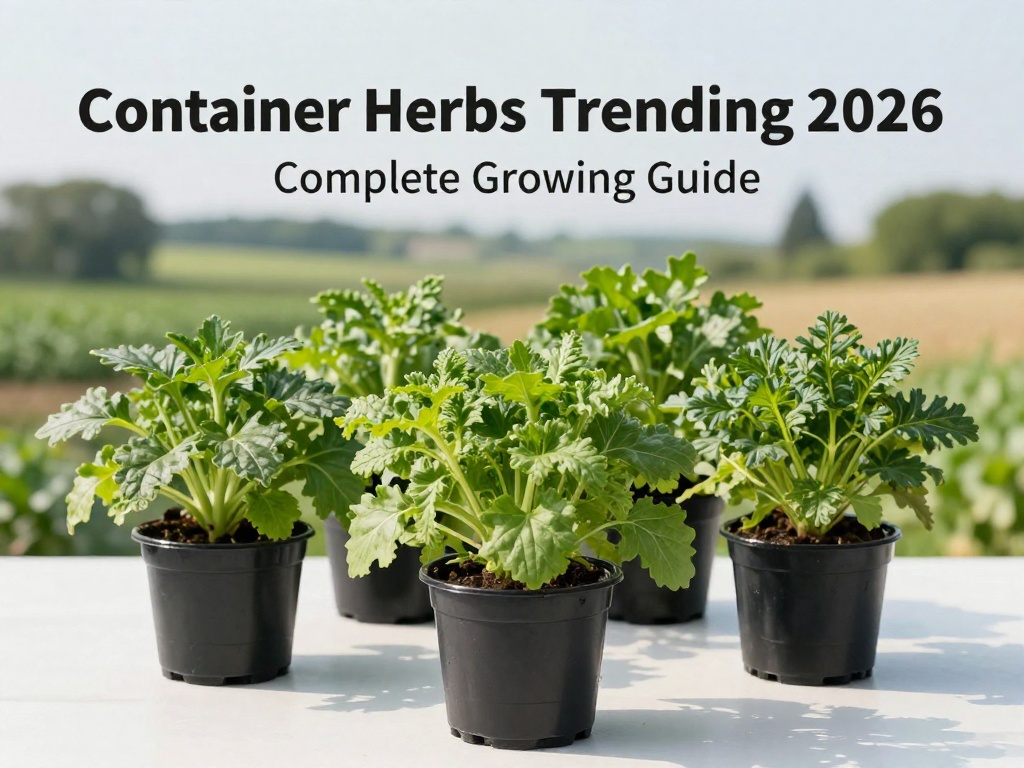
Container Herbs Trending 2026: Complete Growing Guide
Container herbs are transforming how home gardeners approach fresh cooking in 2026. Whether you have a sprawling backyard or just a sunny windowsill, growing herbs in containers offers flexibility, mobility, and fresh flavors at your fingertips. This comprehensive guide covers the most trending container herbs, proven growing techniques, and expert tips to maximize your harvest this year.
Why Container Herbs Are Trending in 2026
The shift toward sustainable living and self-sufficiency has driven container gardening to new heights. Urban dwellers increasingly seek ways to grow their own food in limited spaces, making container herbs the perfect solution. Modern hybrid varieties specifically bred for container growing have expanded options for every climate and skill level.
Benefits of Growing Herbs in Containers
- Space efficiency – Perfect for balconies, patios, and windowsills
- Mobility – Move plants to follow sunlight or protect from weather
- Pest control – Easier to manage insects and diseases
- Soil control – Custom potting mixes for optimal growth
- Year-round harvesting – Bring containers indoors during winter
Top Container Herbs Trending 2026
This year's trending herbs combine culinary versatility with ornamental appeal. Garden centers report unprecedented demand for these specific varieties.
1. Compact Basil Varieties
Basil remains the king of container herbs, but 2026 favorites include compact varieties like 'Pluto' and 'Persian Globe.' These bushier cultivars stay manageable in small containers while producing abundant harvests. Thai basil and lemon basil have also gained popularity for their unique flavor profiles.
2. Mediterranean Herb Collection
Rosemary, thyme, oregano, and sage thrive in containers with excellent drainage. These drought-tolerant herbs prefer slightly crowded roots, making them ideal for container growing. 'Prostrate rosemary' cascades beautifully over pot edges while providing year-round harvests.
3. Microgreens and Baby Herbs
Quick-growing microherb varieties trend strongly for their rapid turnaround and intense flavors. Cilantro, dill, and chervil harvested young offer delicate tastes unavailable from mature plants. Succession planting ensures continuous harvests every 2-3 weeks.
4. Edible Flower Herbs
Nasturtiums, borage, and calendula combine beauty with culinary uses. These dual-purpose plants attract pollinators while providing colorful, peppery additions to salads and garnishes.
Step-by-Step Container Herb Growing for Beginners
Choosing the Right Containers
Select containers with adequate drainage holes and appropriate sizing. Most herbs need at least 6-8 inches of depth for healthy root development. Terra cotta pots offer excellent breathability, while plastic containers retain moisture longer—choose based on your local climate and watering habits.
Container sizing guide:
- Basil, cilantro, parsley – 6-8 inch pots
- Rosemary, thyme, oregano – 8-12 inch pots
- Large mint varieties – 12+ inch pots (mint spreads aggressively)
Optimal Soil Mix for Container Herbs
Never use garden soil alone in containers—it compacts and drains poorly. Create your own mix combining equal parts quality potting soil, perlite, and coco coir. This blend provides excellent drainage while retaining enough moisture for healthy growth.
For Mediterranean herbs like rosemary and thyme, add extra perlite and consider incorporating coarse sand for improved drainage. These herbs prefer lean growing conditions and suffer in overly rich soil.
Proper Watering Techniques
Container herbs typically need watering every 2-3 days during warm weather, but frequency depends on container material, size, and exposure. Water thoroughly until excess drains from the bottom, then allow the top inch of soil to dry before watering again.
Overwatering causes more herb deaths than underwatering. Yellowing leaves and wilting despite moist soil indicate root rot from excessive moisture. When in doubt, err toward slightly dry conditions.
Placement and Light Requirements
Most culinary herbs require at least 6 hours of direct sunlight daily. South-facing windows provide ideal conditions for indoor container herbs. If natural light is limited, supplement with full-spectrum LED grow lights positioned 6-12 inches above plants.
Best Locations for Container Herb Gardens
- Kitchen windowsill – Easy access while cooking
- South-facing balcony – Maximum sun exposure
- Patio or deck – Dedicated growing area
- Sunroom – Protected environment with ample light
Fertilizing Container Herbs Naturally
Container herbs benefit from light feeding every 4-6 weeks during the growing season. Organic options include diluted fish emulsion, compost tea, or slow-release organic granules. Avoid high-nitrogen fertilizers, which produce lush foliage but diminish essential oil concentration and flavor intensity.
Worm castings make an excellent top-dressing for container herbs. Apply a thin layer around plants every 2-3 months for sustained, gentle nutrition.
Harvesting Tips for Maximum Yield
Regular harvesting encourages bushier growth and prevents herbs from becoming leggy. For most varieties, harvest in the morning after dew dries but before heat intensifies—this is when essential oils concentrate in the leaves.
Harvesting guidelines:
- Basil – Pinch from the top, removing flower buds immediately
- Rosemary – Snip sprigs as needed, never removing more than one-third
- Cilantro – Cut outer stems at ground level
- Mint – Harvest frequently to control spreading
Extending Your Herb Harvest Through Winter
Bring container herbs indoors before first frost for year-round harvesting. Acclimate plants gradually by moving them inside for increasing periods over 1-2 weeks. Indoor herbs may need supplemental lighting and adjusted watering schedules due to lower evaporation rates.
Consider establishing a dedicated indoor herb garden using a sunny windowsill or grow light setup. This ensures fresh herbs throughout winter months.
Common Container Herb Growing Mistakes to Avoid
- Overcrowding – Give each plant adequate space for air circulation
- Poor drainage – Always ensure pots have drainage holes
- Inconsistent watering – Establish a regular watering routine
- Neglecting fertilization – Nutrients leach from containers quickly
- Wrong container size – Too small restricts growth; too large holds excess moisture
Budget-Friendly Container Herb Gardening
Starting a container herb garden doesn't require expensive equipment. Repurpose household items like coffee cans, plastic buckets, or wooden crates for growing. Focus your budget on quality potting mix and healthy starter plants or seeds.
Many herbs grow easily from cuttings—ask neighbors for divisions or take cuttings from grocery store herbs. Root them in water before transplanting to containers for free plants.
Trending Herb Combinations for 2026
Companion planting in containers maximizes space while creating harmonious growing conditions. Popular combinations include:
- Italian trio – Basil, oregano, and parsley in a large window box
- Mediterranean cluster – Rosemary, thyme, and sage together
- Mexican favorites – Cilantro, epazote, and hot peppers
- Tea garden – Lemon balm, mint, and chamomile
Final Thoughts on Container Herbs in 2026
Container herb gardening continues evolving with new varieties, innovative containers, and sustainable practices. Whether you're a complete beginner or experienced gardener, growing herbs in containers provides fresh flavors, aromatic pleasures, and the satisfaction of nurturing plants in any space.
Start small with 2-3 varieties that match your cooking preferences and expand gradually. Container herbs reward patient attention with abundant harvests and ongoing enjoyment throughout the year.
Frequently Asked Questions
What are the easiest container herbs for beginners to grow?
Rosemary, thyme, mint, and chives rank among the easiest container herbs for beginners. These hardy varieties tolerate occasional neglect, adapt well to container life, and provide consistent harvests. Start with one or two of these forgiving plants before progressing to more demanding varieties.
How often should I water my container herbs?
Container herbs typically need watering every 2-3 days during warm weather, though frequency varies based on container material, size, and environmental conditions. Check soil moisture by inserting your finger one inch deep—water only when the soil feels dry at that depth.
What size container do I need for growing herbs?
Most culinary herbs need containers at least 6-8 inches deep with similar width. Compact herbs like basil and cilantro thrive in 6-inch pots, while larger herbs like rosemary require 8-12 inch containers. Always ensure containers have adequate drainage holes.
Can I grow multiple herbs together in one container?
Yes, you can combine compatible herbs with similar water and light requirements in one container. Mediterranean herbs like rosemary, thyme, and oregano grow well together. Avoid mixing herbs with drastically different needs—moisture-loving basil shouldn't share containers with drought-tolerant sage.
How long until container herbs are ready to harvest?
Most container herbs reach harvestable size within 4-8 weeks from seed, or immediately if using established transplants. Leafy herbs like basil and cilantro provide the quickest harvests, while woody herbs like rosemary may take several months to mature sufficiently for regular harvesting.
What's the best organic fertilizer for container herbs?
Compost tea, diluted fish emulsion, and worm castings provide excellent organic nutrition for container herbs. Apply compost tea or fish emulsion every 4-6 weeks during the growing season. Worm castings make a gentle, slow-release option for top-dressing containers every 2-3 months.
No comments