
Thyme Growing from Seed Indoors: 2026 Complete Guide
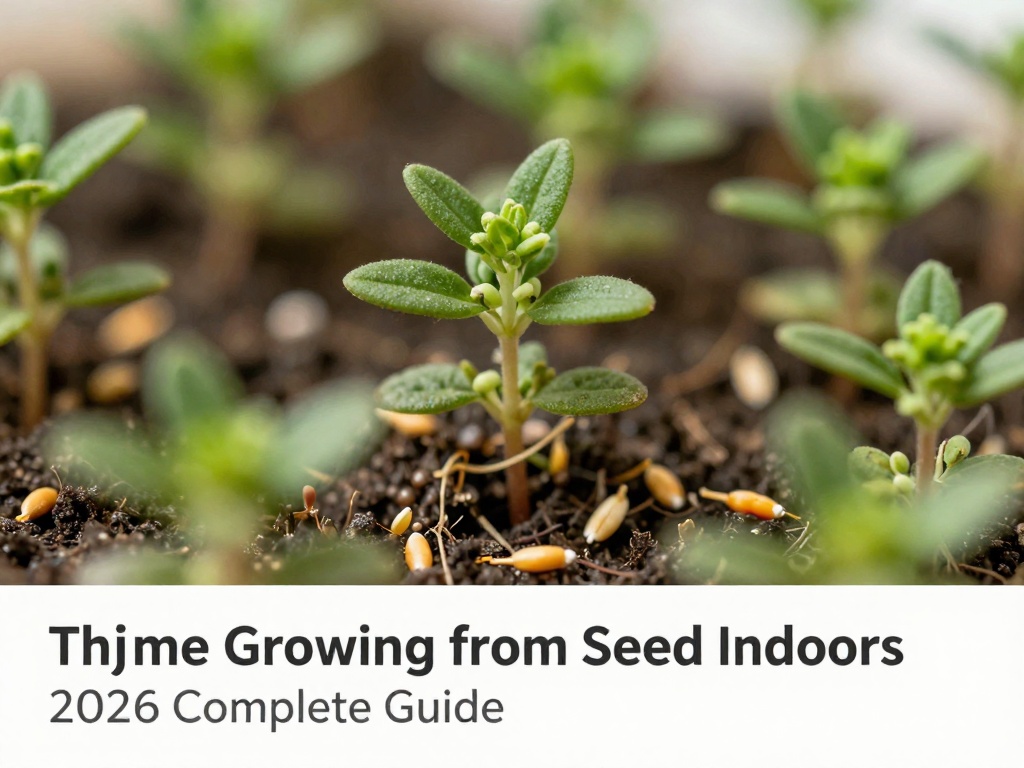
Thyme Growing from Seed Indoors: 2026 Complete Guide
Thyme growing from seed indoors offers home gardeners an incredibly rewarding way to enjoy fresh, aromatic herbs year-round regardless of outdoor conditions. This comprehensive guide walks you through every step of successfully cultivating thyme from seed in the comfort of your own home. Whether you have a sunny windowsill or a small apartment, you can master this organic method and harvest fragrant thyme for your culinary creations.
Why Grow Thyme from Seed Indoors?
Indoor thyme cultivation from seed provides unmatched freshness and flavor compared to store-bought alternatives. Starting thyme from seed indoors gives you complete control over growing conditions, ensuring your plants remain organic and chemical-free. Additionally, seed starting is significantly more economical than purchasing established seedlings, allowing you to grow multiple plants at a fraction of the cost.
Benefits of Indoor Thyme Cultivation
- Year-round harvest regardless of climate zone
- Fresh herbs always available at your fingertips
- Superior flavor compared to dried or store-bought thyme
- Cost-effective method for continuous supply
- Natural air purifier for your indoor space
Understanding Thyme Seeds and Germination
Thyme seeds are notably small and can be slow to germinate, typically requiring 14 to 28 days under optimal conditions. These tiny seeds contain everything needed to produce robust, aromatic plants when provided with proper warmth, moisture, and light. Understanding the germination process is crucial for successful thyme growing from seed indoors.
Essential Materials for Indoor Thyme Seed Starting
Before beginning your thyme seed journey, gathering the right materials ensures success and minimizes frustration. Quality supplies make a significant difference in germination rates and seedling health. Here's what you'll need for effective seed starting.
Choosing the Right Containers
Select shallow containers with adequate drainage holes for sowing thyme seeds. Seed starting trays, peat pots, or small biodegradable pots work exceptionally well for this purpose. Containers should be approximately 2-3 inches deep, allowing proper root development while preventing excessive moisture retention. For beginners in small spaces, a 4-inch pot can accommodate several thyme seedlings successfully.
Selecting Quality Seed Starting Mix
Thyme thrives in well-draining, light soil that mimics its natural Mediterranean environment. Use a premium seed starting mix rather than regular garden soil, as garden soil can compact easily and harbor disease organisms. Look for mixes containing perlite or vermiculite that promote excellent drainage and aeration essential for healthy root development.
Optimal Lighting Setup
Bright, indirect light is essential for vigorous thyme seedling growth. South-facing windows providing 6-8 hours of sunlight daily are ideal locations for your seed trays. If natural light is insufficient, supplement with full-spectrum LED grow lights positioned 4-6 inches above seedlings. Consistent, adequate lighting prevents leggy growth and strengthens stems for healthy transplants.
Step-by-Step Thyme Seed Starting Process
Following a systematic approach dramatically increases your chances of successful germination and healthy seedlings. Each stage requires attention to detail and patience, but the rewards of homegrown thyme make the effort worthwhile.
Preparing Your Seed Starting Trays
Begin by filling your clean containers with moistened seed starting mix, leaving approximately 1/2 inch of space at the top. Gently firm the soil surface without compacting it excessively, as thyme roots prefer loose growing medium. Pre-moisten the mix thoroughly before sowing seeds to ensure adequate hydration without waterlogging.
Sowing Thyme Seeds Correctly
Thyme seeds should be scattered thinly across the soil surface, as these tiny seeds require light for optimal germination. Gently press seeds into the soil using a flat board or your palm, ensuring good seed-to-soil contact without burying them deeply. Cover with only a very thin layer of soil—no more than 1/16 inch—to maintain necessary light exposure.
Creating the Ideal Germination Environment
Cover your seeded containers with a clear plastic dome or plastic wrap to maintain high humidity during germination. Place containers in a warm location between 65-70°F (18-21°C), as thyme germination requires consistent warmth. Check daily for moisture levels and remove the covering immediately once seedlings emerge to prevent fungal diseases.
Caring for Thyme Seedlings Indoors
Proper seedling care during the first weeks determines the health and productivity of your mature thyme plants. Young seedlings are vulnerable to various stressors and require attentive but not overbearing care.
Watering Requirements for Seedlings
Thyme seedlings demand careful watering practices—consistent moisture without saturation. Water from below by placing containers in a tray of water, allowing the soil to absorb moisture through drainage holes. This method prevents disturbing delicate seedlings and reduces disease risk. Allow the soil surface to dry slightly between waterings to encourage strong root development.
Thinning and Transplanting
Once seedlings develop their second set of true leaves, thin them to stand 4-6 inches apart for optimal growth. Use small scissors to snip weaker seedlings at soil level rather than pulling, which disturbs neighboring roots. When seedlings reach 3-4 inches tall with established root systems, transplant them into permanent containers using the same well-draining soil mix.
Hardening Off Indoor Seedlings
Even indoor-grown seedlings benefit from gradual acclimation to their permanent growing conditions. If moving seedlings to brighter areas or different windows, transition them gradually over 7-10 days. This hardening process strengthens cell walls and reduces transplant shock, preparing plants for robust growth in their final containers.
Long-Term Care for Indoor Thyme Plants
Mature thyme requires minimal maintenance compared to many other herbs, making it perfect for busy gardeners seeking low-effort returns. Understanding mature plant needs ensures years of productive harvests from your indoor garden.
Optimal Growing Conditions
Indoor thyme thrives in temperatures between 60-75°F (15-24°C) with good air circulation. Place plants in your sunniest window, preferably south-facing, receiving at least 6 hours of direct sunlight daily. Thyme tolerates slightly cooler nighttime temperatures, making windowsills ideal locations that mimic its Mediterranean heritage.
Watering Mature Thyme Plants
Established thyme prefers slightly drier conditions than seedlings and is notably drought-tolerant. Water thoroughly when the top inch of soil feels completely dry, typically once every 7-10 days depending on your home's humidity and light levels. Overwatering is the most common mistake in indoor thyme care and leads to root rot and plant decline.
Harvesting Indoor Thyme
Begin harvesting thyme once plants are well-established, typically 2-3 months after germination. Snip sprigs from the top portions of stems, never removing more than one-third of the plant at once. Regular harvesting encourages bushier growth and prevents legginess. The best harvest time is morning after dew has dried but before afternoon heat intensifies essential oil concentration.
Troubleshooting Common Indoor Thyme Problems
Even with careful attention, indoor gardeners occasionally encounter challenges with thyme cultivation. Early identification and correction of issues ensures plant recovery and continued productivity.
Preventing and Managing Leggy Growth
Leggy, elongated stems indicate insufficient light and require immediate correction. Move plants closer to light sources or supplement with artificial lighting for 12-14 hours daily. Pruning leggy stems back by one-half encourages denser, bushier growth and helps plants recover their compact form.
Addressing Yellowing Leaves
Yellow leaves on indoor thyme typically signal overwatering or nutrient deficiency. Check soil moisture immediately and adjust watering frequency if the soil remains constantly wet. If drainage is adequate, feed plants with a diluted, balanced liquid fertilizer every 4-6 weeks during the growing season.
Managing Pests on Indoor Thyme
While less susceptible to pests than outdoor plants, indoor thyme may occasionally attract aphids, spider mites, or mealybugs. Inspect plants regularly, especially underneath leaves and at stem joints. Remove pests manually with a cotton swab dipped in rubbing alcohol, or spray with a mild insecticidal soap solution for larger infestations.
Best Thyme Varieties for Indoor Growing
Several thyme varieties excel in indoor container environments, each offering unique flavors and growth habits. Selecting appropriate varieties ensures successful harvests matching your culinary preferences.
Common Thyme (Thymus vulgaris)
The most widely grown culinary variety, common thyme offers classic flavor perfect for seasoning meats, vegetables, and soups. This variety grows compactly indoors and produces abundant harvests with regular trimming. Its attractive, rounded growth habit makes it both practical and ornamental for kitchen windowsills.
Lemon Thyme (Thymus citriodorus)
Lemon thyme combines traditional thyme characteristics with bright citrus notes, excellent for seafood dishes and beverages. This variety displays variegated yellow-green foliage adding visual interest to indoor gardens. Its compact growth and delightful fragrance make it particularly suited for small space gardening in containers.
Creeping Thyme (Thymus serpyllum)
Creeping thyme produces trailing stems perfect for hanging baskets or window boxes, creating cascading displays of color. While slightly less culinary-focused than common thyme, its edible flowers and leaves add mild flavor to dishes. This variety works exceptionally well for growing from seed indoors in mixed herb arrangements.
Maximizing Your Indoor Thyme Harvest
With proper techniques, indoor thyme plants can provide abundant harvests year-round for continuous culinary use. Understanding harvest optimization ensures maximum yield from minimal space investments.
Drying and Preserving Homegrown Thyme
Air drying remains the simplest preservation method for excess thyme harvest. Bundle sprigs together and hang upside down in a warm, dry location away from direct sunlight. Once completely dried, strip leaves from stems and store in airtight containers. Properly dried thyme retains flavor for 1-2 years when stored in cool, dark conditions.
Successive Planting for Continuous Supply
Maintain continuous harvests by starting new seed batches every 4-6 weeks throughout the year. This succession planting strategy ensures mature plants replace those nearing their production peak. Keep detailed records of planting dates to optimize your personal harvest schedule based on growth rates in your specific home environment.
Frequently Asked Questions
How long does it take for thyme seeds to germinate indoors?
Thyme seeds typically require 14-28 days to germinate under optimal conditions. Patience is essential, as these small seeds sprout slowly compared to many other herbs. Maintaining consistent warmth between 65-70°F and consistent moisture dramatically improves germination rates and timing.
Can beginners successfully grow thyme from seed indoors?
Yes, beginners can successfully grow thyme from seed indoors with attention to proper technique. While germination requires patience, established seedlings are remarkably forgiving and low-maintenance. Starting with quality seeds, proper soil, and adequate light ensures positive results for first-time growers.
What is the biggest mistake when growing thyme from seed indoors?
The most common mistake is overwatering, which leads to root rot and seedling death. Thyme originates from Mediterranean regions where drainage is excellent and water relatively scarce. Allow soil to dry slightly between waterings, and ensure all containers have functional drainage holes to prevent water accumulation.
Do thyme seeds need light to germinate?
Yes, thyme seeds require light for optimal germination and should not be buried deeply in soil. Scatter seeds on the soil surface and gently press them into good contact without covering them more than 1/16 inch deep. Provide bright, indirect light immediately after sowing to initiate the germination process.
When can I start harvesting indoor thyme grown from seed?
You can begin harvesting indoor thyme once plants reach 4-6 inches tall with abundant foliage, typically 8-12 weeks after germination. Always leave at least two-thirds of the plant intact when harvesting to ensure continued healthy growth. Regular harvesting actually promotes bushier, more productive plants.
How much does it cost to grow thyme from seed indoors?
Growing thyme from seed indoors is remarkably economical, with a packet of 100+ seeds costing approximately $2-4 and producing numerous plants. Initial supplies including containers, soil, and optional grow lights total $15-30. After the initial investment, ongoing costs are minimal while providing fresh herbs indefinitely.
No comments