
2026 Complete Guide to Raised Bed Herb Garden Planning
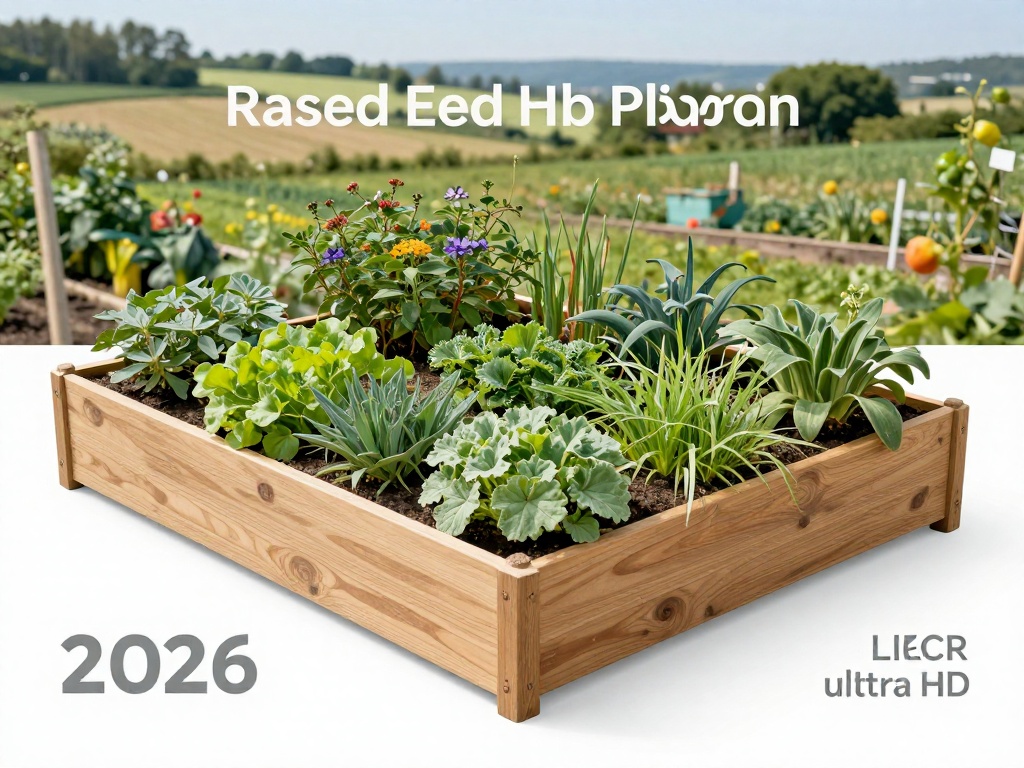
2026 Complete Guide to Raised Bed Herb Garden Planning
Starting a raised bed herb garden is one of the most rewarding decisions any gardener can make. Whether you have a spacious backyard or are working with a modest balcony, raised beds offer unmatched flexibility and control over your growing environment. This complete guide walks you through everything you need to know about planning, building, and maintaining a thriving herb garden in raised beds.
Why Choose Raised Beds for Herb Gardening?
Raised bed gardening has surged in popularity among both beginners and experienced growers. The method provides superior drainage, better soil quality, and easier access for planting and harvesting. When it comes to herbs, raised beds give you the power to customize growing conditions for each plant variety.
Herbs like rosemary, thyme, and lavender thrive in well-drained soil that raised beds naturally provide. Traditional in-ground gardens often suffer from compacted soil and poor drainage, leading to root rot and disease. With raised beds, you eliminate these problems from the start.
Key Benefits for Herb Cultivation
- Complete control over soil composition and pH levels
- Reduced weed competition compared to ground planting
- Earlier soil warming in spring for extended growing seasons
- Ergonomic access that reduces strain during maintenance
- Better pest management through physical barriers
Essential Planning Steps for Your Herb Garden
1. Selecting the Perfect Location
Most culinary herbs require at least 6-8 hours of direct sunlight daily. Observe your outdoor space throughout the day to identify the sunniest spots. South-facing locations work exceptionally well in the Northern Hemisphere.
Consider proximity to your kitchen as well. The best herb gardens are conveniently located near cooking areas, making it effortless to snip fresh herbs while preparing meals. If you're gardening on a patio or balcony, ensure your raised bed receives adequate light and is protected from strong winds.
2. Determining Optimal Bed Dimensions
For maximum yield in raised bed herb gardening, width is more important than depth. Aim for beds that are no wider than 4 feet—this allows you to reach the center from either side without stepping on the soil. Length can vary based on available space, but 8 feet is a practical standard.
Height matters when considering root depth. Most herbs require only 6-12 inches of soil depth, but 12-18 inches provides more flexibility for root development and moisture retention. If you're gardening over concrete or pavement, opt for deeper beds to accommodate proper root growth.
3. Designing Your Layout Strategy
Strategic placement ensures all herbs receive adequate light while creating visual appeal. Group plants according to their sun and water requirements. Mediterranean herbs like oregano, sage, and rosemary should occupy the sunniest, best-drained areas. Moisture-loving herbs such as basil, cilantro, and parsley can tolerate slightly more shade and moisture.
Consider planting taller herbs like lemongrass or fennel at the north end of your raised bed to prevent them from casting shadows on shorter plants. This thoughtful arrangement maximizes photosynthesis across your entire garden.
Building the Perfect Soil Mix
The foundation of successful herb garden planning lies in soil quality. Fill your raised bed with a well-draining, nutrient-rich growing medium specifically formulated for herbs and vegetables.
Recommended Soil Recipe
- 60% quality topsoil or coconut coir
- 30% mature compost for nutrients
- 10% perlite or coarse sand for drainage
This combination provides excellent structure, fertility, and drainage that most herbs demand. Avoid using regular garden soil alone, as it tends to compact in raised beds and may introduce weed seeds or diseases.
Understanding Herb pH Requirements
Most culinary herbs prefer slightly acidic to neutral soil with a pH range of 6.0-7.0. Lavender and thyme can tolerate more alkaline conditions, while basil prefers the more acidic end of the spectrum. Test your soil periodically and amend as needed with lime (to raise pH) or sulfur (to lower pH).
Choosing the Best Herbs for Raised Bed Gardening
Top Culinary Herbs for Beginners
Starting with forgiving varieties ensures early success and builds confidence. These herbs tolerate varying conditions and provide abundant harvests with minimal care:
- Basil – Perfect for containers and raised beds, thrives in warmth
- Chives – Hardy perennial that returns year after year
- Mint – Vigorous grower best contained in raised beds
- Parsley – Biennial herb with excellent cold tolerance
- Cilantro – Quick-growing annual for continuous sowing
Mediterranean Herbs for Maximum Flavor
If you want restaurant-quality herbs with intense flavors, focus on Mediterranean varieties. These plants produce the most aromatic leaves when slightly stressed, making raised bed conditions ideal:
- Rosemary – Evergreen shrub with needle-like aromatic leaves
- Thyme – Compact grower perfect for edges and borders
- Oregano – Spreads readily, producing generous harvests
- Sage – Ornamental and edible, with velvety textured leaves
- Marjoram – Delicate flavor related to oregano
Seasonal Planning and Planting Schedule
Spring Planting Calendar
Begin cool-season herbs like parsley, cilantro, and chives 2-4 weeks before the last expected frost. Wait until soil temperatures reach 60°F (15°C) before transplanting warmth-loving basil and other tender herbs.
Succession planting ensures continuous harvests throughout the season. Sow basil seeds every 2-3 weeks from late spring through summer for constant fresh supply.
Summer Maintenance
Regular harvesting encourages bushier growth and prevents herbs from flowering and going to seed. Pinch off flower buds as they appear to prolong leaf production. Water deeply but infrequently, allowing the soil to dry slightly between waterings.
Fall and Winter Considerations
Many perennial herbs like thyme, rosemary, and sage continue producing through fall. In mild climates, you can harvest year-round. Apply mulch around plants in late fall to protect roots from freeze-thaw cycles and maintain soil moisture.
Common Mistakes to Avoid
Even experienced gardeners encounter challenges with raised bed herb garden planning. Awareness of these pitfalls saves time, money, and frustration:
- Overcrowding – Herbs need space for air circulation; follow spacing recommendations
- Improper watering – Most herbs prefer drought conditions over soggy soil
- Ignoring companion planting – Some herbs benefit neighbors; others compete
- Skipping soil preparation – Poor foundation leads to poor harvests
- Neglecting maintenance – Regular harvesting and weeding are essential
Organic Methods for Healthy Herbs
Growing organically ensures your herbs remain chemical-free and bursting with natural flavors. Embrace these natural approaches for sustainable herb cultivation:
Compost tea provides quick nutrition without synthetic fertilizers. Steep finished compost in water for 24-48 hours, then apply directly to soil around plants. This natural approach supports beneficial soil microorganisms that enhance nutrient uptake.
Integrated pest management protects herbs from common insects without harmful chemicals. Encourage ladybugs and beneficial wasps by planting flowering herbs like dill and fennel. Handpick larger pests like slugs and caterpillars, and use physical barriers like row covers when necessary.
Maximizing Small Space Potential
Limited space doesn't limit herb production. Strategic techniques help you grow impressive quantities in minimal areas. Vertical gardening within raised beds doubles your growing capacity by utilizing vertical space for trailing herbs like thyme and oregano.
Square foot gardening principles work exceptionally well in raised beds. Divide your bed into 1-foot sections and plant according to mature size requirements. This method produces remarkable yields from surprisingly small footprints, making it ideal for urban balconies and compact patios.
Your Herb Garden Journey Starts Now
Planning a raised bed herb garden requires thoughtful consideration of location, dimensions, soil, and plant selection. Armed with the knowledge from this guide, you're ready to create a thriving herb garden that provides fresh flavors for your kitchen throughout the growing season and beyond.
Remember that gardening is an ongoing learning experience. Observe your plants, adjust your methods, and celebrate every successful harvest. Your perfect herb garden awaits—begin planning today and enjoy the abundant rewards of homegrown herbs.
Frequently Asked Questions
What herbs grow best together in a raised bed?
Herbs with similar water and sunlight needs thrive together. Group Mediterranean herbs (rosemary, thyme, oregano, sage) in one area and moisture-loving herbs (basil, parsley, cilantro) in another. This grouping simplifies care and prevents overwatering or underwatering.
How deep should a raised bed be for herb gardening?
Most herbs require 6-12 inches of soil depth, but 12-18 inches is ideal for robust root development. Deeper beds also retain moisture better during hot summer months, reducing watering frequency.
What is the biggest mistake beginners make with herb gardens?
Overwatering is the most common error. Most herbs prefer drier conditions and suffer in waterlogged soil. Allow the top inch of soil to dry between waterings, and ensure your raised bed has adequate drainage holes.
How long does it take to grow herbs from planting to harvest?
Quick-growing herbs like basil and cilantro are ready for harvest in 3-4 weeks after transplanting. Woody perennials like rosemary and thyme can be harvested lightly within a month but reach full production in their second year.
Can I grow herbs in raised beds year-round?
In mild climates (USDA zones 7+), many perennial herbs grow year-round. Cold-climate gardeners can extend the season with cold frames, row covers, or by moving containers indoors during winter.
What is the estimated cost of starting a raised bed herb garden?
A basic 4x8 raised bed setup costs $50-150 for materials plus $30-50 for soil and plants. DIY projects reduce costs significantly. The investment pays for itself within one season through savings on fresh herb purchases at the grocery store.
No comments