
Herb Garden Summer Heat Management: 2026 Guide
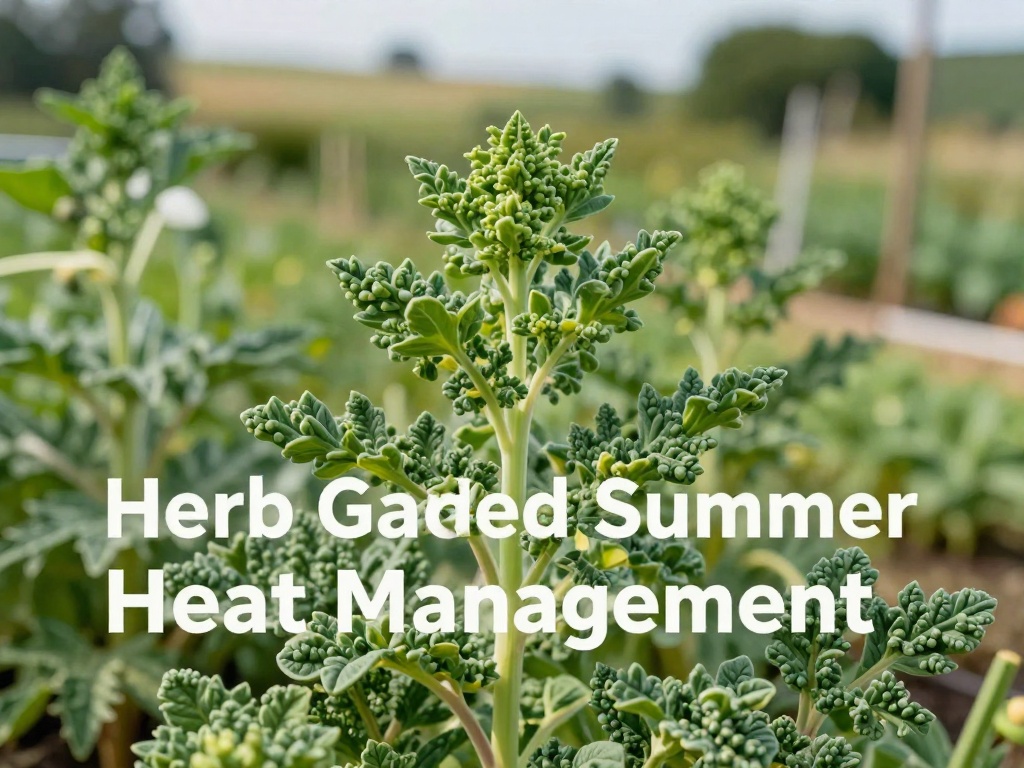
Herb Garden Summer Heat Management: 2026 Guide
Summer heat presents one of the biggest challenges for herb gardeners across the United States. When temperatures soar above 90°F, many popular culinary herbs struggle to survive, let alone thrive. This comprehensive 2026 guide delivers proven strategies for protecting your herb garden during extreme heat waves while maintaining healthy, productive plants throughout the summer months.
Whether you grow basil on a sunny windowsill or maintain a sprawling outdoor herb garden in raised beds, understanding heat management techniques ensures your investment pays dividends rather than withering away. We'll cover everything from immediate protective measures to long-term planning for heat-resilient herb gardens.
Understanding Heat Stress in Herb Gardens
Herb plants respond to excessive heat with visible warning signs that gardeners must recognize early. Wilting represents the most obvious symptom, but prolonged heat exposure causes leaf scorch, yellowing, flower drop, and eventual plant death if left unaddressed.
Common Signs of Heat Stress
- Leaves curling inward or developing brown edges
- Wilting despite adequate soil moisture
- Premature flowering or seed production
- Faded or bleached leaf coloration
- Slowed growth or complete growth cessation
- Leaf drop from the lower portions of plants
Different herbs demonstrate varying levels of heat tolerance. Mediterranean varieties like rosemary, thyme, and oregano naturally withstand higher temperatures, while basil, cilantro, and chervil prove far more sensitive to heat stress.
Essential Watering Techniques for Hot Weather
Proper watering forms the foundation of effective herb garden summer heat management. Water serves not only as hydration but also as a cooling mechanism through evaporation from leaf surfaces and surrounding soil.
Morning Watering Schedule
Water your herb garden between 5:00 AM and 9:00 AM for maximum effectiveness. Early morning watering allows moisture to penetrate deep into the root zone before evaporation accelerates with rising temperatures. This timing also ensures leaves dry quickly, reducing fungal disease risks that thrive in prolonged moisture.
Deep Watering vs. Light Sprinkling
Shallow watering encourages shallow root systems that prove more vulnerable to heat damage. Instead, apply water slowly and deeply, allowing the soil to absorb moisture thoroughly. For in-ground gardens, aim for 6-8 inches of soil penetration. Container gardens require watering until water flows freely from drainage holes.
Drip Irrigation Systems
Installing drip irrigation provides consistent moisture delivery directly to plant roots while minimizing water waste through evaporation. Modern smart controllers can adjust watering schedules based on temperature sensors and weather forecasts, offering automated heat management for busy gardeners.
Shade Solutions for Herb Gardens
Strategic shade provision dramatically improves herb survival during extreme heat events. Shade cloth reduces ambient temperature beneath its surface by 10-15°F, creating a more hospitable environment for heat-sensitive varieties.
Choosing the Right Shade Cloth
Select shade cloth based on herb type and sun intensity. A 40-50% shade density works well for most culinary herbs, while more shade-tolerant varieties like parsley and mint tolerate 60% shade. Position shade structures on the west and south sides of gardens to block intense afternoon sun exposure.
Natural Shade Options
Integrate taller plants like tomatoes or sunflowers to provide natural afternoon shade for adjacent herbs. Strategic positioning near building walls or fences offers protection from prevailing winds while reducing heat radiation from paved surfaces.
Temporary Shade Structures
Deploy portable shade solutions during heat waves exceeding 95°F. Row covers, beach umbrellas, or lightweight fabric panels work effectively for temporary protection without permanent installation costs.
Soil Management for Heat Protection
Healthy soil serves as a thermal buffer, moderating root zone temperatures and retaining moisture during drought conditions. Improving soil structure provides long-term benefits for summer heat management.
Mulching Strategies
Apply 2-4 inches of organic mulch around herb plants to insulate soil surfaces and reduce moisture evaporation. Suitable materials include straw, shredded bark, compost, or grass clippings. Mulching can reduce soil temperature by up to 20°F compared to bare soil surfaces.
Compost Amendments
Incorporating generous quantities of mature compost improves soil water-holding capacity while providing essential nutrients. Healthy soil biology creates pore spaces that enhance root oxygenation and water infiltration, critical factors during hot weather stress periods.
Container Soil Considerations
Container-grown herbs require special attention during summer heat. Dark-colored containers absorb additional heat, so wrap pots with reflective material or move them to shadier locations during peak afternoon temperatures. Use premium potting mix with moisture-retentive properties for container herb gardens.
Heat-Tolerant Herb Varieties for 2026
Selecting appropriate herb varieties forms a proactive approach to summer heat management. Plant breeders have developed numerous heat-resistant cultivars specifically suited for southern climates and summer growing conditions.
Recommended Heat-Resistant Basil Varieties
- Genovese Improved – Better bolt resistance than standard varieties
- Elephant Ear – Large leaves with improved heat tolerance
- African Blue Basil – Exceptional heat and humidity resistance
- Thai Sweet Basil – Superior performance in hot climates
Other Heat-Tolerant Herbs
- Greek Oregano – Thrives in full sun and poor soil
- Mexican Mint Marigold – Heat-loving substitute for tarragon
- Peruvian Pipicha – Compact herb suited for hot conditions
- Vietnamese Coriander – Better heat tolerance than standard cilantro
Container Gardening for Heat Flexibility
Growing herbs in containers offers unmatched flexibility for heat management. Movable pots allow gardeners to relocate plants away from intense heat sources as conditions change throughout the day.
Container Placement Strategy
Position heat-sensitive herbs on the east side of buildings where they receive morning sun but afternoon shade. Group containers together to create a microclimate with higher humidity and mutual shade benefits.
Self-Watering Containers
Self-watering planters incorporate water reservoirs that provide consistent moisture during hot weather. These containers reduce watering frequency and maintain more stable soil moisture levels compared to standard pots.
Timing Your Garden Activities
Adjusting gardening schedules around heat patterns significantly impacts herb health and gardener safety during summer months.
Work During Cool Hours
Schedule pruning, harvesting, and planting activities for early morning or evening hours when temperatures remain below 85°F. Working during peak heat increases heat stress on both plants and gardeners while reducing work quality.
Fall Planning Considerations
Use late summer to assess heat management successes and failures. Document which varieties performed best and which locations provided optimal protection. This information guides fall planting decisions and next year's garden layout.
Frequently Asked Questions
How do I know if my herbs are experiencing heat stress?
Watch for leaves curling inward, developing brown crispy edges, or turning yellow prematurely. Wilting that persists even after watering indicates severe heat stress. Check soil moisture first—if soil remains moist but plants show stress symptoms, heat rather than drought causes the problem.
What herbs are most tolerant of summer heat?
Mediterranean herbs including rosemary, thyme, sage, oregano, and lavender demonstrate excellent heat tolerance. For culinary herbs, consider Greek oregano, Vietnamese coriander, Mexican mint marigold, and African Blue basil for best summer performance.
Should I water herbs more frequently during heat waves?
Yes, increase watering frequency during extreme heat, but focus on watering deeply rather than shallowly. Check containers daily and in-ground gardens every 2-3 days during heat waves. Water early morning for best results, and consider supplemental evening watering if temperatures remain above 95°F.
When should I use shade cloth for my herb garden?
Deploy shade cloth when temperatures consistently exceed 90°F or when heat-sensitive herbs show stress symptoms. Install shade structures before heat waves arrive so plants acclimate gradually. Remove shade cloth during cooler periods to maintain adequate light exposure.
Can I add something to soil to help herbs cope with heat?
Apply 2-4 inches of organic mulch around plants to insulate roots and retain moisture. Incorporating perlite or vermiculite improves soil drainage and aeration. Adding compost increases water-holding capacity while supporting beneficial soil microorganisms that aid plant resilience.
What is the best time of day to harvest herbs during summer?
Harvest herbs during early morning, ideally between 6:00 AM and 9:00 AM, when essential oils concentrate in leaves at peak levels. Avoid harvesting during or immediately after heat waves when plants are already stressed. Morning harvesting also ensures leaves contain maximum moisture for handling.
No comments