
Compost Tea Brewing Guide Organic: 2026 Methods for Maximum Yield
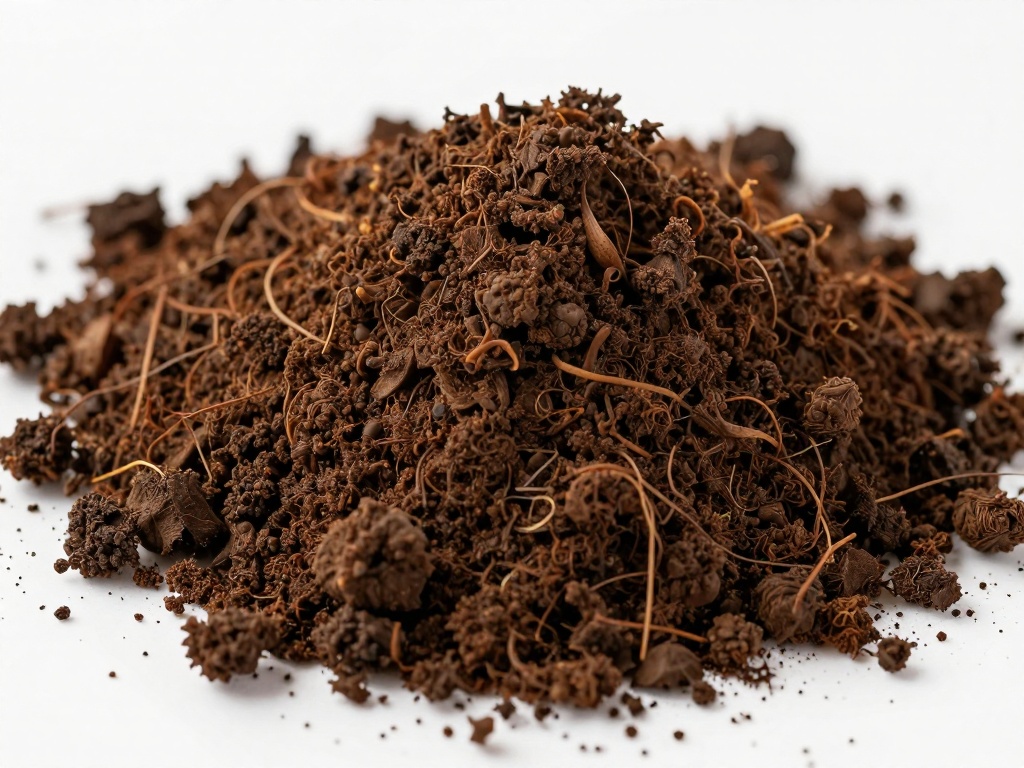
Compost Tea Brewing Guide Organic: 2026 Methods for Maximum Yield
Compost tea brewing guide organic is your gateway to transforming ordinary compost into a powerful liquid fertilizer that nourishes your plants and enriches your soil. This natural approach has gained tremendous popularity among gardeners and farmers seeking sustainable alternatives to chemical fertilizers. In this comprehensive 2026 guide, you'll discover exactly how to brew premium organic compost tea at home, regardless of your experience level or available space.
What is Organic Compost Tea?
Organic compost tea is a liquid solution created by steeping finished compost in water, extracting beneficial microorganisms, nutrients, and organic compounds. This aerobic brewing process multiplies beneficial bacteria, fungi, and other microbes while preserving the nutritional profile of your base compost. Unlike synthetic fertilizers, compost tea works with nature to support healthy soil ecosystems and promote vigorous plant growth.
The resulting liquid serves multiple purposes in your garden: it acts as a foliar spray to protect leaves from disease, a soil drench to boost root zone microbiology, and a seed soak to enhance germination rates. Many organic farmers consider compost tea an essential component of their growing practice, especially when working toward chemical-free cultivation.
Why Choose Organic Compost Tea in 2026
The movement toward organic gardening continues accelerating as more growers recognize the limitations of conventional fertilizers. Chemical inputs may provide quick results, but they degrade soil health over time and contribute to environmental pollution. Organic compost tea offers a sustainable alternative that builds rather than depletes your garden's ecosystem.
Benefits of Organic Compost Tea
- Enhanced soil structure: Beneficial microbes improve soil aggregation and water retention
- Disease suppression: Competitive microorganisms crowd out harmful pathogens on plant surfaces
- Nutrient availability: Microbes make existing nutrients more accessible to plant roots
- Cost effectiveness: Produce unlimited fertilizer from your existing compost pile
- Environmental safety: No harmful runoff or chemical residue in your garden
- Versatility: Suitable for vegetables, fruits, flowers, herbs, and landscape plants
Essential Equipment for Brewing Compost Tea
Before beginning your compost tea brewing guide organic journey, gather the necessary equipment. Successful brewing requires minimal investment, and most items are readily available or easily improvised.
Basic Brewing Setup
- 5-gallon bucket or larger container: Food-grade plastic or stainless steel works best
- Air pump with aquarium stones: Provides oxygen to maintain aerobic conditions
- Unchlorinated water: Let tap water sit 24 hours, or use rainwater, well water, or pond water
- Finished, screened compost: Mature compost with no visible materials
- Molasses or another carbohydrate source: Feeds beneficial bacteria during brewing
- Cheesecloth or fine mesh bag: For containing compost during steeping
- Wooden stirring stick: For gentle aeration and mixing
For beginners working in small spaces, a simple 5-gallon bucket setup produces excellent results. Larger operations may prefer 50-gallon drums or commercial brewing systems, but scalability follows the same fundamental principles.
Step-by-Step Compost Tea Brewing Guide Organic
Step 1: Prepare Your Water
Begin by filling your brewing container with unchlorinated water. Chlorine and chloramine found in municipal water supplies kill the beneficial microorganisms you're trying to cultivate. If only chlorinated water is available, let it sit exposed to air for 24-48 hours to allow chlorine to dissipate naturally. Well water and rainwater typically require no treatment.
Step 2: Add the Compost
Place approximately one cup of quality finished compost per gallon of water into your mesh bag or directly into the bucket. For a 5-gallon batch, use about 5 cups of compost. Ensure your compost is fully finished—immature compost can contain pathogens and may produce unpleasant odors during brewing. The compost should smell earthy and pleasant, not sour or ammonia-like.
Step 3: Introduce Carbohydrate Food Source
Add 1-2 tablespoons of unsulfured molasses per gallon of water to fuel beneficial bacterial growth. Other suitable carbohydrate sources include pure maple syrup, kelp powder, or fish emulsion. This step is optional but significantly enhances the microbial population in your finished tea. Avoid sweetened products containing preservatives or artificial ingredients.
Step 4: Install Aeration System
Position your aquarium air stone at the bottom of the bucket and connect it to your air pump. Place the pump above the water level to prevent backflow. Strong aeration is crucial—it maintains aerobic conditions, prevents anaerobic decomposition, and keeps your tea smelling fresh. For 5-gallon batches, a single air stone works well; larger volumes benefit from multiple stones distributed evenly.
Step 5: Brew for 24-48 Hours
Allow your compost tea to brew for 24-48 hours, maintaining continuous aeration. The ideal brewing temperature ranges from 60-85°F (15-29°C). Temperatures outside this range slow microbial activity and may produce inferior tea. During brewing, you should see gentle bubbling from your aeration system. The tea should develop a mild, earthy smell reminiscent of forest floor or fresh soil.
Step 6: Strain and Apply
After brewing, remove the compost bag and strain the liquid through cheesecloth or a fine mesh screen. Undiluted compost tea can burn plant roots, so dilute it before application. The standard dilution ratio is 1:10 (one part tea to ten parts water) for soil application and 1:20 for foliar spraying. Apply immediately for maximum benefit—beneficial microbes begin dying within hours of brewing completion.
Best Practices for Application
Soil Drenching Technique
Apply diluted compost tea directly to the soil around plant root zones. This method delivers beneficial microorganisms directly to where plants need them most. For vegetables, apply every 2-3 weeks during the growing season. Container plants benefit from monthly applications. Water the soil before tea application to ensure better absorption and distribution.
Foliar Spray Application
Use compost tea as a foliar spray to coat leaf surfaces with protective microorganisms. Spray in early morning or late evening to avoid leaf burn and allow maximum absorption time. Strain tea very finely for foliar application to prevent clogging your spray equipment. This method excels at suppressing foliar diseases like powdery mildew, black spot, and rust.
Seed Soaking Method
Soak seeds in diluted compost tea (1:20 ratio) for 1-2 hours before planting. This treatment inoculates seeds with beneficial microbes that support early germination and seedling vigor. This technique proves especially valuable for gardeners starting seeds indoors or in sterile potting media.
Troubleshooting Common Brewing Issues
Even experienced brewers encounter occasional problems. Understanding common issues helps you quickly correct and optimize your brewing process.
- Foul odor: Indicates anaerobic conditions—increase aeration immediately and reduce brewing time
- No foam or activity: Check air pump function and ensure water temperature is adequate
- Brown water: Normal color from compost; tea should smell pleasant, not like compost itself
- Weak tea: Extend brewing time to 48 hours or increase compost quantity
- Clogged spray equipment: Strain tea more thoroughly through multiple layers of cheesecloth
Maximizing Your Organic Compost Tea Results
Achieving exceptional results with your compost tea brewing guide organic practice requires attention to several key factors. Quality compost produces quality tea—invest time in creating excellent compost before brewing. Diverse compost materials (vegetable scraps, garden waste, leaves, manures) produce more diverse microbial populations in your finished tea.
Timing your applications matters significantly. Apply tea during active plant growth periods for maximum benefit. Avoid applying during extreme heat or just before heavy rain. Consistency proves more valuable than quantity—a regular, moderate application schedule outperforms sporadic heavy applications.
Compost Tea for Specific Garden Applications
Vegetable Gardens
Vegetable gardens respond exceptionally well to regular compost tea applications. Begin applications when plants show true leaves and continue every 2-3 weeks through harvest. Focus soil applications around root zones and use foliar sprays to protect leaves from common diseases like early blight and powdery mildew.
Container Plants and Raised Beds
Container plants and raised bed gardens often suffer from depleted microbiology due to limited soil volume. Monthly compost tea applications help maintain healthy soil ecosystems in these controlled environments. Use slightly more diluted tea (1:15 ratio) for sensitive container plants to prevent any risk of burning.
Fruit Trees and Perennials
Fruit trees and perennial plants benefit from seasonal compost tea programs. Apply generously around the drip line (the area beneath the outer branches) where feeder roots concentrate. Spring applications as plants break dormancy provide particularly valuable nutrition support.
Cost Analysis: Compost Tea vs. Commercial Fertilizers
One of the most compelling advantages of organic compost tea is economic. After initial equipment investment of approximately $30-50, subsequent batches cost virtually nothing since you use compost you likely already produce. Commercial organic fertilizers typically cost $15-30 per application for equivalent garden coverage. Over a growing season, compost tea can save hundreds of dollars while producing superior results for soil health.
Environmental Impact of Organic Compost Tea
Choosing organic compost tea represents a meaningful commitment to environmental stewardship. Unlike synthetic fertilizers, compost tea produces no harmful runoff that pollutes waterways or harms aquatic ecosystems. The beneficial microorganisms in compost tea actually help break down environmental toxins and improve soil's carbon sequestration capacity. By brewing your own fertilizer, you also reduce plastic packaging waste associated with commercial products.
FAQ: Compost Tea Brewing Guide Organic
How long does brewed compost tea last?
Use compost tea within 4-6 hours of brewing for maximum microbial benefit. After this window, beneficial microorganisms begin dying rapidly. Never store brewed tea overnight or for multiple days—the product loses effectiveness and may become anaerobic.
Can I use compost tea on seedlings?
Yes, but dilute it more heavily (1:20 ratio) and apply sparingly. Seedlings have delicate root systems that can burn easily. Start with quarter-strength applications and observe plant response before increasing concentration. Many gardeners begin using compost tea once seedlings develop their second set of true leaves.
What's the difference between aerated and non-aerated compost tea?
Aerated compost tea (ACTIVE) uses air pumps to maintain oxygen levels, promoting beneficial aerobic microorganisms. Non-aerated tea relies on passive oxygen absorption and typically produces fewer microbes. Aerated tea generally provides superior results and should be your default method for brewing organic compost tea.
How often should I apply compost tea to my garden?
For most vegetable gardens, apply compost tea every 2-3 weeks during the growing season. Container plants typically benefit from monthly applications. Established perennials and fruit trees can be treated 2-3 times annually—spring, early summer, and fall. Over-application wastes product and provides diminishing returns.
Can I add other ingredients to enhance my compost tea?
Yes, several beneficial additions enhance compost tea quality. Kelp meal provides trace minerals and growth hormones. Fish emulsion adds nitrogen and phosphorus. Rock dust supplies additional minerals. Humic acid improves nutrient uptake. Avoid adding meat products, dairy, or fats—these create odors and attract pests.
What's the ideal temperature for brewing compost tea?
The ideal brewing temperature range is 60-85°F (15-29°C). Temperatures below 50°F slow microbial activity dramatically and may produce weak tea. Above 85°F, beneficial microbes may die while harmful anaerobic bacteria can proliferate. Brew outdoors in shade during warm months or indoors in temperature-controlled spaces during extreme weather.
Will compost tea burn my plants?
Undiluted compost tea can burn plant roots and leaves due to its concentration. Always dilute before application—standard ratios are 1:10 for soil drenching and 1:20 for foliar sprays. Start with more conservative dilution if uncertain about plant sensitivity. Signs of burn include brown leaf edges, wilting despite adequate water, and stunted growth.
Can I use store-bought compost for brewing tea?
Yes, quality store-bought compost works well for brewing tea. Choose products labeled as fully finished and organic. Avoid compost containing mushroom soil alone, as this often lacks the microbial diversity needed for effective tea. If possible, supplement with compost from multiple sources to increase microbial diversity in your finished tea.
Start your organic compost tea journey today using this comprehensive guide. With minimal equipment and effort, you can produce unlimited natural fertilizer that transforms your garden's health while supporting sustainable growing practices. The benefits compounds over time—consistent use builds rich, living soil that sustains thriving plants for years to come.
No comments