
Organic Herb Care Trending in 2026: Complete Grower's Guide
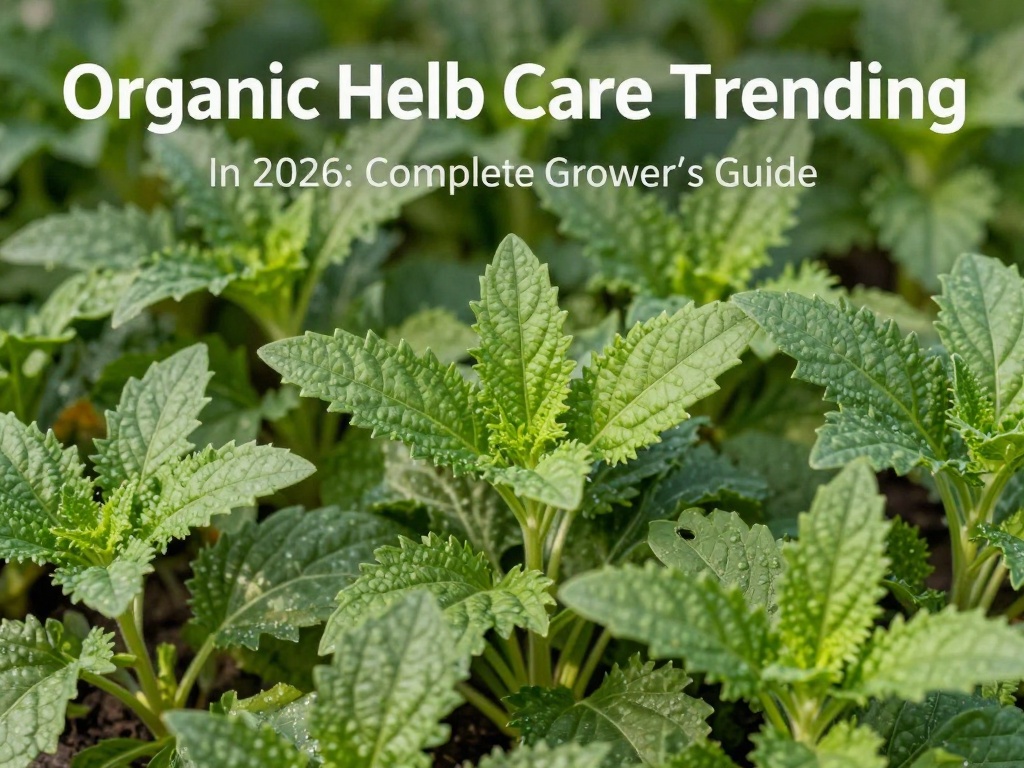
Organic Herb Care Trending in 2026: Complete Grower's Guide
Organic herb care trending has become a major movement among home gardeners and professional growers in 2026. More people are discovering the benefits of growing herbs using natural, chemical-free methods that produce healthier plants and better harvests. Whether you are cultivating basil on your kitchen windowsill or maintaining a full herb garden in your backyard, understanding organic care techniques has never been more important for achieving thriving, aromatic plants.
Why Organic Herb Care Matters in 2026
The shift toward organic herb care reflects a broader awareness of sustainability and health consciousness among modern gardeners. Chemical fertilizers and synthetic pesticides can harm beneficial insects, degrade soil health, and leave harmful residues on the herbs you consume. By adopting organic methods, you create a balanced ecosystem where herbs can flourish naturally while supporting pollinators and beneficial microorganisms in your garden.
Benefits of Natural Herb Care Approaches
Organic herb care offers numerous advantages that extend beyond simply growing plants. Natural methods improve soil structure over time, making it more resilient against drought and disease. Herbs grown organically often develop stronger flavors and higher nutritional content compared to those grown with synthetic inputs. Additionally, organic gardening reduces your environmental footprint and creates a safer environment for children and pets who might come into contact with your plants.
Essential Organic Herb Care Techniques
Soil Preparation and Composting
Successful organic herb care begins with healthy soil. Creating rich, well-draining soil using homemade compost provides herbs with the nutrients they need throughout their growth cycle. Mix aged compost into your planting beds or containers at the start of each growing season. This natural approach improves soil aeration, moisture retention, and beneficial microbial activity that supports robust herb growth.
Natural Pest Management
When pests threaten your herb garden, organic solutions offer effective control without harmful chemicals. Companion planting works remarkably well for protecting herbs naturally. Planting basil near tomatoes helps repel aphids and hornworms, while marigolds deter many common garden pests. Neem oil spray and diatomaceous earth provide additional organic options for controlling infestations when they occur.
Watering Best Practices for Organic Herb Care
Proper watering technique significantly impacts herb health in organic gardening. Most culinary herbs prefer consistent moisture but cannot tolerate waterlogged conditions. Water deeply and less frequently to encourage deep root development. Morning watering allows foliage to dry before evening, reducing fungal disease risks. Using rainwater or filtered water avoids chlorine exposure that can affect beneficial soil organisms.
Trending Organic Herbs for 2026
Indoor Herb Garden Favorites
Indoor herb gardens continue gaining popularity as urban dwellers seek fresh flavors year-round. The most trending organic herbs for indoor growing include basil, mint, chives, cilantro, and rosemary. These herbs adapt well to container growing and bright windowsill conditions. Providing adequate light through grow lights or natural sunlight ensures healthy growth and prevents leggy, weak plants.
Outdoor Herb Garden Stars
For outdoor organic herb gardens, perennial favorites like thyme, oregano, sage, and lavender remain top choices among trending organic herb care enthusiasts. These Mediterranean herbs thrive with minimal intervention once established. Their drought tolerance makes them ideal for water-conscious gardeners implementing organic methods in raised beds or dedicated herb plots.
Seasonal Organic Herb Care Calendar
Spring Preparation
Spring marks the ideal time for starting organic herb care routines. Begin by clearing winter debris and adding fresh compost to your planting areas. Sow seeds of warm-season herbs like basil and cilantro directly outdoors after last frost dates. Transplant hardened-off seedlings and begin regular feeding with organic liquid fertilizer to support vigorous spring growth.
Summer Maintenance
Summer demands consistent attention to watering and harvesting in organic herb care. Pinch flower buds to encourage bushier growth and extend harvest periods for leafy herbs. Apply organic mulch around plants to conserve moisture and suppress weeds naturally. Regular harvesting promotes continuous production and prevents herbs from becoming woody or bolting prematurely.
Fall and Winter Transitions
As temperatures cool, shift your organic herb care strategy accordingly. Harvest and preserve excess herbs through drying or freezing before frost arrives. Bring tender perennial herbs indoors to bright locations for continued harvest through winter. Apply protective organic mulch to outdoor perennial herbs to insulate roots against freezing temperatures.
Container Herb Care in Small Spaces
Organic herb care trending strongly favors container gardening for those with limited space. Containers allow precise control over soil composition, drainage, and mobility. Choose pots with adequate drainage holes and use premium organic potting mix specifically formulated for herbs. Grouping herbs with similar water and light requirements together simplifies care routines and maximizes limited space efficiently.
Troubleshooting Common Organic Herb Problems
Yellowing Leaves
Yellow leaves on herbs often indicate nutrient deficiencies in organic systems. Rather than reaching for synthetic fertilizers, address this issue with organic amendments. Epsom salt provides magnesium, while fish emulsion or seaweed extract offers balanced nutrition. Ensure proper drainage prevents root rot that also causes yellowing foliage.
Leggy Growth
Insufficient light causes leggy, weak growth in organically grown herbs. Move containers to brighter locations or supplement with full-spectrum grow lights. Regular pruning encourages branching and compact growth habits. Pinching growing tips redirects energy into lateral development for fuller, healthier plants.
Harvesting and Preserving Organically Grown Herbs
Proper harvesting technique enhances both yield and plant health in organic herb care. Harvest in the morning after dew evaporates but before heat intensifies, when essential oils concentrate in foliage. Cut herbs with clean, sharp scissors or pruners to minimize plant damage. Dry harvested herbs by hanging small bundles in a warm, airy location or using a dehydrator for quicker results.
FAQ: Organic Herb Care Trending Questions
What are the easiest herbs to grow organically for beginners?
Basil, mint, chives, and rosemary rank among the easiest herbs for beginners practicing organic herb care. These resilient plants tolerate occasional neglect and adapt well to various growing conditions while providing abundant harvests with minimal effort.
How often should I water organically grown herbs?
Most herbs grown organically prefer watering when the top inch of soil feels dry. Typically, this means watering every two to three days during warm weather. Container herbs may need daily watering during hot summer months, while established outdoor herbs often thrive with less frequent irrigation.
Can I make organic fertilizer at home for my herbs?
Yes, homemade organic fertilizers work excellently for herb care. Compost tea, banana peel tea, and diluted fish emulsion provide essential nutrients. Coffee grounds add nitrogen, while eggshells supply calcium. These natural amendments support healthy growth without chemical inputs.
What natural remedies control pests on organic herbs?
Organic pest control options include neem oil spray, insecticidal soap, diatomaceous earth, and companion planting with pest-repellent species. Strong-scented herbs like basil and mint naturally deter many common pests when planted strategically throughout your garden.
How long does it take to grow herbs organically?
Most culinary herbs reach harvestable size within four to eight weeks when grown from transplants. Starting from seed requires eight to twelve weeks depending on the variety. Perennial herbs establish quickly and provide harvests for several years with proper organic care.
Why are my organic herbs losing flavor?
Herbs lose flavor when over-fertilized, particularly with nitrogen-heavy fertilizers that promote lush growth at the expense of essential oil production. Reduce feeding frequency and ensure herbs receive adequate sunlight. Harvesting regularly also encourages concentrated flavors in organically grown herbs.
No comments