
Composting Troubleshooting Guide 2026: Fix Common Problems
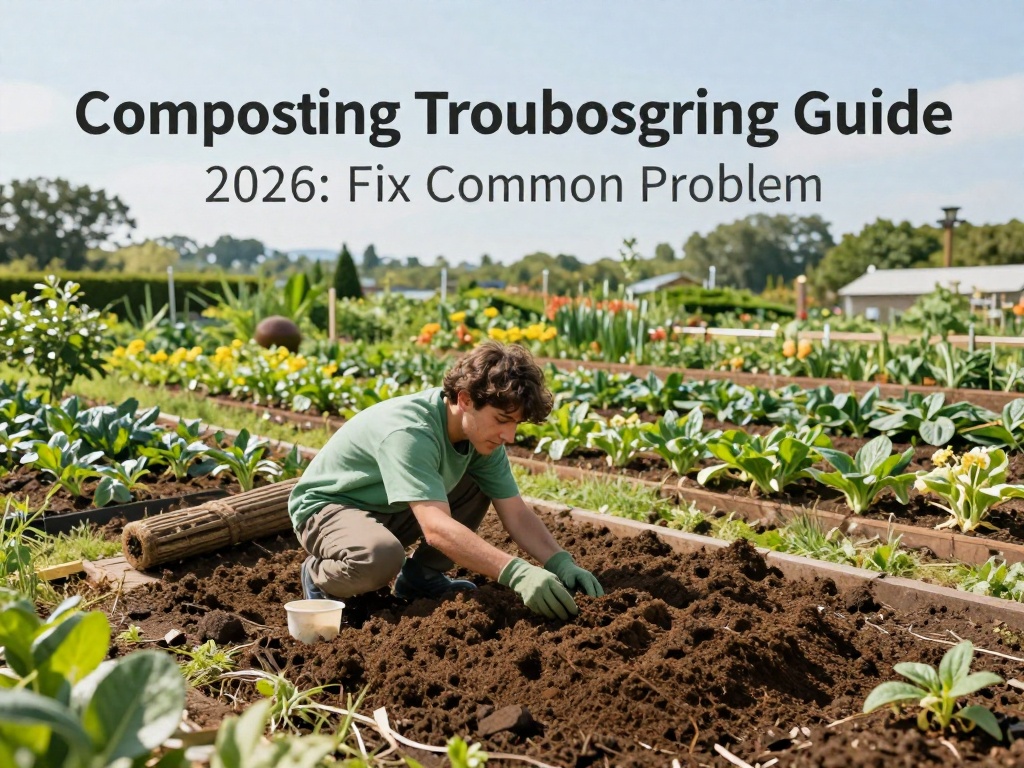
Composting Troubleshooting Guide 2026: Fix Common Problems
Welcome to your complete composting troubleshooting guide for 2026. Whether you are just starting your composting journey or have been maintaining a compost pile for years, challenges are inevitable. This step-by-step guide addresses the most common composting problems and provides practical solutions to help you achieve rich, dark, nutrient-dense compost for your garden. Understanding these troubleshooting techniques will transform your composting experience from frustrating to rewarding.
Understanding Your Compost Pile's Basic Needs
Before diving into specific problems, it helps to understand what your compost pile fundamentally requires. Successful composting depends on four essential elements: carbon (browns), nitrogen (greens), moisture, and oxygen. When any of these elements become imbalanced, problems arise. This composting troubleshooting guide will help you identify and correct these imbalances quickly.
The Carbon to Nitrogen Ratio Explained
The ideal carbon-to-nitrogen ratio for hot composting is approximately 30:1. Browns provide carbon and include materials like dried leaves, cardboard, and straw. Greens provide nitrogen and include kitchen scraps, grass clippings, and fresh plant material. When this ratio tips too far in either direction, decomposition slows or problems develop.
Moisture and Oxygen Requirements
Your compost pile should feel like a wrung-out sponge—moist but not dripping. This typically means 40-60% moisture content. Oxygen enters the pile through turning and from the sides. Without adequate oxygen, anaerobic conditions develop, causing unpleasant odors and slow decomposition. Regular turning prevents compaction and ensures even decomposition.
Common Composting Problems and Solutions
Foul Odors: Identifying the Cause
Foul smells are the most common complaint among composters. The good news is that almost all odor problems stem from identifiable causes that you can correct. This section of our composting troubleshooting guide covers the main odor types and their solutions.
Ammonia or Smelly Cheese Odor: This indicates excess nitrogen, usually from too many kitchen scraps or fresh grass clippings. Add carbon-rich browns immediately—dry leaves, cardboard, or straw work excellently. Turn the pile to incorporate the new materials and release trapped gases.
Sulfurous Rotten Egg Smell: This signals anaerobic conditions caused by excessive moisture or compacted materials. The solution involves adding browns to absorb excess moisture, then turning the pile thoroughly to introduce oxygen. Consider installing aeration pipes if this problem recurs frequently.
Mildew or Musty Odors: A musty smell typically means your pile is too dry or lacks sufficient nitrogen. Moisten dry materials with water while turning, and add some nitrogen-rich greens like vegetable scraps or coffee grounds to restart active decomposition.
Pest Problems in Compost Bins
Pests attracted to compost include flies, fruit flies, rodents, and ants. Understanding what draws them helps you prevent infestations. This part of our composting troubleshooting guide provides organic methods for pest control.
Flies and Fruit Flies: These insects are attracted to exposed food scraps. Always bury kitchen waste under a layer of browns or finished compost. Avoid adding meat, dairy, or oily foods that intensify fly problems. A properly balanced pile with adequate browns produces minimal odor that does not attract flies.
Rodents: Rats and mice seek food sources in compost piles. Prevent their access by using enclosed bins with small openings, avoiding meat and dairy scraps, and never adding oily foods. If rodents appear, reduce food waste input and ensure the pile reaches temperatures above 130°F to discourage nesting.
Ants: Ants in compost usually indicate the pile is too dry. They may also indicate the presence of sugary foods. Moisten the affected areas and turn the pile. Adding water while incorporating fresh greens typically resolves ant problems within days.
Compost Not Decomposing: Why and How to Fix
Slow decomposition frustrates many gardeners. Your pile may be inactive due to several factors, each addressed in this section of our composting troubleshooting guide.
Materials Too Large or Woody: Large branches and thick stems decompose slowly because microorganisms struggle to penetrate them. Shred or chip materials to increase surface area. Smaller particles—ideally 1-2 inches—decompose up to 10 times faster than whole pieces.
Insufficient Nitrogen: A nitrogen-deficient pile decomposes very slowly, appearing brown and inactive. Signs include a persistent dry, woody appearance despite adequate moisture. Add nitrogen sources like grass clippings, coffee grounds, or vegetable scraps. Blood meal provides a quick nitrogen boost when organic options are limited.
Temperature Problems: Active composting generates heat between 90°F and 160°F. Cold piles indicate insufficient microbial activity, often from poor carbon-to-nitrogen ratios or inadequate moisture. Insulate cold-weather bins with straw bales or tarps. In hot climates, extreme heat above 160°F kills beneficial organisms—add moisture and browns to cool things down.
Compost is Too Wet or Too Dry
Moisture management represents one of the most critical skills in composting. This portion of our composting troubleshooting guide helps you achieve and maintain optimal moisture levels.
Compost Too Wet: Soggy compost results from excessive greens, rain exposure, or overwatering. Add dry browns—straw, dried leaves, or cardboard—absorbing 3-4 times their weight in excess moisture. Turn the pile to distribute dry materials and improve air circulation. Consider covering outdoor piles during rainy seasons.
Compost Too Dry: Dry compost stops decomposing and may appear gray or dusty. Slowly add water while turning the pile, allowing moisture to penetrate thoroughly. Focus on adding fresh greens that hold moisture better than browns. A moisture meter helps monitor levels accurately, though the squeeze test—observing how materials clump when squeezed—works well for beginners.
Compost Texture Problems
Even when decomposition progresses, you may encounter texture issues in the finished product. This section of our composting troubleshooting guide addresses common texture complaints.
Chunky, Unfinished Compost: Large uncomposted materials remain when decomposition was incomplete or when oversized materials were added. Screen finished compost through 1/2-inch hardware cloth to separate usable material from chunks. Return large pieces to an active pile or compost them separately for longer processing.
Slimy or Clumped Material: Slime results from excess moisture, anaerobic conditions, or excessive nitrogen. Spread affected material in sunlight to dry, then incorporate dry browns while turning. This process typically resolves texture problems within one to two weeks of active management.
Weedy Material in Compost: Weed seeds and persistent plant material sometimes survive composting. Hot composting above 145°F for extended periods destroys most weed seeds. Avoid adding invasive plants like Bermuda grass or bindweed to cold compost systems. Solarizing compost—covering with clear plastic in full sun—provides an additional kill step.
Seasonal Composting Troubleshooting
Composting challenges vary throughout the year. This seasonal approach within our composting troubleshooting guide helps you adapt your methods to changing conditions.
Winter Composting in Cold Climates
Cold temperatures slow microbial activity but do not stop composting entirely. Insulate bins with straw, wood chips, or specialized covers. Add materials in larger batches to generate cumulative heat. Snow itself does not harm compost—focus on maintaining internal temperatures and covering fresh inputs with browns.
Summer Composting Challenges
Hot weather accelerates decomposition but also risks drying and overheating. Water more frequently, potentially daily during heat waves. Shade structures prevent extreme temperature swings. Summer's abundance of garden waste makes it ideal for building large batches—take advantage while managing moisture actively.
Advanced Composting Troubleshooting
Troubleshooting Hot Composting Systems
Hot composting requires more precise management than cold methods. This section of our composting troubleshooting guide addresses hot composting-specific issues.
Pile Not Heating: Heat generation requires proper carbon-to-nitrogen balance, adequate moisture, sufficient mass (minimum 4x4x4 feet), and oxygen. Check each factor systematically. Most heating failures trace to insufficient nitrogen or inadequate pile size. A compost thermometer helps monitor internal temperatures—probe the pile center at multiple depths.
Pile Overheating: Temperatures exceeding 160°F kill beneficial microorganisms. Add moisture and browns while turning. Break down large piles into smaller units. In extreme cases, remove the pile's cover entirely to allow heat escape. Monitor daily during hot weather to prevent overheating.
Troubleshooting Worm Composting (Vermicomposting)
Vermicomposting presents unique challenges different from traditional outdoor composting. This section addresses common worm bin problems.
Worms Trying to Escape: Worms exit bins due to unfavorable conditions—typically too wet, too acidic, or oxygen-depleted. Check drainage and add dry bedding if moisture is excessive. Crushed eggshells buffer acidic conditions. Aerate bedding thoroughly and ensure proper drainage holes.
Foul Odors in Worm Bins: Bad smells in vermicomposting indicate overfeeding, excessive moisture, or anaerobic conditions. Reduce feeding portions and frequencies. Add dry carbon bedding—shredded cardboard works excellently. Turn and aerate the bedding weekly.
Troubleshooting Guide: Quick Reference Table
This quick reference summarizes common problems and their solutions for easy consultation during your composting journey.
| Problem | Likely Cause | Solution |
|---|---|---|
| Ammonia smell | Too much nitrogen | Add carbon-rich browns |
| Rotten egg smell | Anaerobic conditions | Turn pile, add browns |
| No decomposition | Low nitrogen or dry | Add greens, water |
| Pests present | Exposed food scraps | Burial method, enclosed bins |
| Soggy compost | Excess moisture | Add dry browns, turn |
| Dry, dusty compost | Insufficient moisture | Water while turning |
| Slow heating | Small pile, low nitrogen | Increase size, add greens |
Best Practices for Prevention
Preventing problems proves easier than solving them. This final section of our composting troubleshooting guide emphasizes proactive practices.
Layering Technique: Alternate 4-6 inches of greens with 2-3 inches of browns. This layering ensures balanced nutrition and prevents matting that causes anaerobic conditions.
Regular Turning Schedule: Turn compost at least weekly during active decomposition. Consistent turning maintains oxygen levels, distributes moisture evenly, and exposes all materials to decomposition zones.
Appropriate Feedstock Selection: Acceptable materials include fruit and vegetable scraps, coffee grounds, eggshells, grass clippings, leaves, straw, cardboard, and plant trimmings. Avoid meat, dairy, oils, diseased plants, and pet waste from carnivores. This selective approach prevents most pest and odor problems.
FAQ
What is the fastest way to fix smelly compost?
The fastest solution for smelly compost involves adding carbon-rich browns immediately and turning the pile thoroughly. For ammonia smells, add dried leaves or cardboard. For rotten egg odors, add browns and increase aeration. Within 24-48 hours of proper treatment, most odors dissipate significantly.
How long does it take to fix composting problems?
Most composting problems resolve within 1-2 weeks with proper intervention. Odor issues typically improve within 48-72 hours. Slow decomposition may require 3-4 weeks of adjusted management. Active hot composting systems generally return to normal operation faster than passive methods.
Can I add too much brown material to my compost?
Yes, excessive browns create a carbon-dominated pile that decomposes very slowly. The compost may appear too dry and fail to heat properly. If this occurs, add nitrogen-rich greens and water while turning to restore balance. Aim for approximately 2-3 parts browns to 1 part greens by volume.
Should I use compost accelerators or activators?
Commercially available activators can jumpstart slow piles, but many gardeners achieve excellent results using naturally occurring materials. Finished compost, garden soil, or fresh animal manure serve as effective activators. Coffee grounds and grass clippings provide readily available nitrogen that accelerates decomposition without commercial products.
What kitchen scraps should I avoid adding to compost?
Avoid meat, poultry, fish, dairy products, oils, fats, and greasy foods. These materials attract pests, create foul odors, and may harbor pathogens. Also avoid pet waste from dogs or cats, which contains harmful bacteria. Diseased plants should not enter compost unless you maintain temperatures above 145°F consistently.
How do I know when my compost is ready to use?
Finished compost appears dark, crumbly, and earthy-smelling. Original materials should be unrecognizable. The texture resembles rich garden soil. Apply a finished compost squeeze test—no material should clump together like wet mud. For container gardening, screen compost through 1/2-inch mesh to ensure uniform texture.
Why are flies hovering around my compost bin?
Flies indicate exposed food scraps on the pile surface. Switch to burying kitchen waste under 6-8 inches of brown material or finished compost. Ensure your bin has proper covers and screen openings. Avoid adding sweet fruit scraps that particularly attract fruit flies until you establish consistent burial practices.
No comments