
Balcony Herb Garden Trending: 2026 Urban Grower's Guide
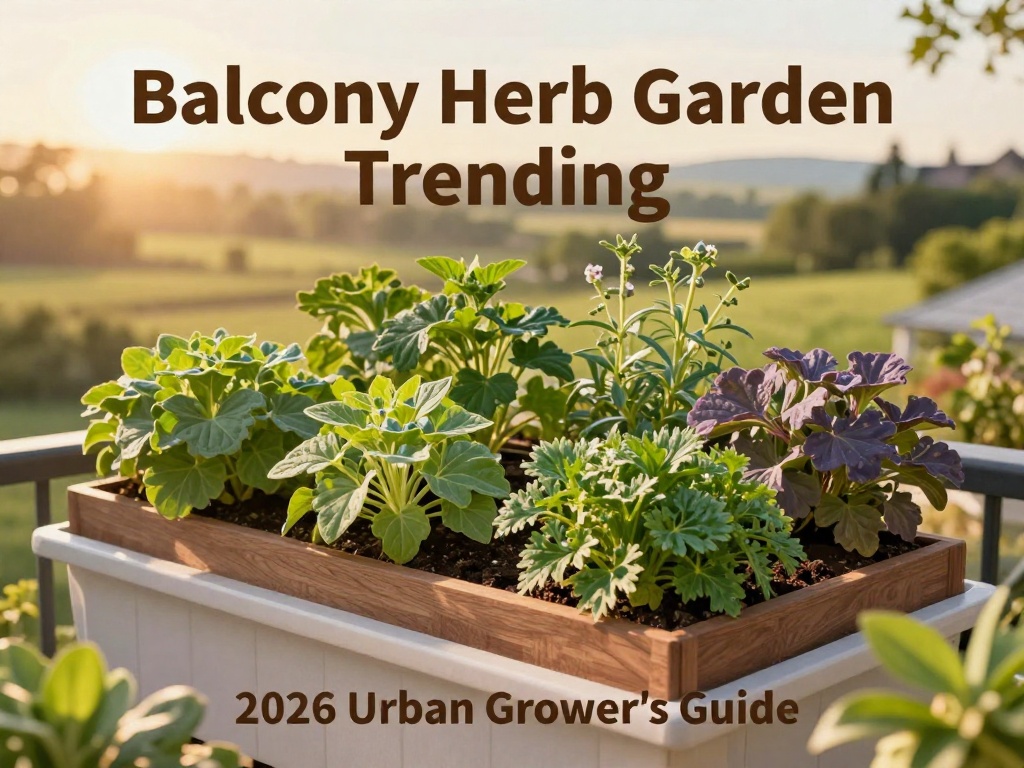
Balcony Herb Garden Trending: 2026 Urban Grower's Guide
Urban living has transformed how we approach growing food, and the balcony herb garden trending movement proves that limited space should never limit your green ambitions. Whether you have a tiny apartment balcony or a spacious terrace, growing herbs at home delivers fresh flavors, aromatic benefits, and a rewarding connection to nature right outside your door.
Why Balcony Herb Gardens Are Trending in 2026
The shift toward sustainable living and self-sufficiency has accelerated the popularity of balcony herb gardens. More people are seeking organic methods to reduce grocery bills while enjoying the freshest possible ingredients. City dwellers increasingly recognize that a small space garden can produce substantial harvests without requiring a backyard.
Social media platforms have amplified this movement, with millions sharing their balcony herb garden transformations daily. The trend appeals particularly to millennials and Gen Z who value homegrown produce, environmental consciousness, and the therapeutic benefits of tending plants.
The Rise of Micro-Farming in Urban Spaces
Micro-farming represents the next evolution in urban agriculture. This approach maximizes every square inch of available space through vertical growing, container arrangements, and strategic plant selection. The balcony herb garden trending phenomenon demonstrates how even the smallest outdoor areas can become productive gardens.
Health and Wellness Benefits
Growing your own herbs provides access to fresh, chemical-free ingredients that enhance both cooking and overall wellbeing. Studies consistently show that gardening reduces stress levels and improves mental health outcomes. A herb garden on your balcony delivers these therapeutic benefits without requiring extensive time investment.
Best Herbs for Your Balcony Garden in 2026
Selecting the right herbs determines your success as an urban grower. The following recommendations suit various climate conditions and growing experience levels.
Easy-to-Grow Herbs for Beginners
- Basil thrives in warm conditions and produces abundant leaves for culinary use
- Mint grows vigorously and offers refreshing flavors for drinks and dishes
- Chives require minimal maintenance while adding subtle onion flavors
- Parsley adapts well to containers and provides continuous harvests
- Cilantro grows quickly and suits small space gardening perfectly
Mediterranean Herbs for Sun-Loving Balconies
If your balcony receives at least six hours of direct sunlight daily, consider planting rosemary, thyme, oregano, and sage. These Mediterranean varieties tolerate drought conditions and actually improve flavor intensity when grown in slightly stressed environments.
Shade-Tolerant Herbs for Covered Balconies
North-facing or covered balconies can still support productive gardens. Parsley, chervil, lemon balm, and mint varieties perform admirably with limited direct sunlight. Position these plants near reflective surfaces to maximize available light.
Space-Saving Designs for Maximum Yield
Implementing smart space-saving designs allows you to grow more herbs than traditional horizontal arrangements would permit. Consider these proven approaches for your apartment herb garden.
Vertical Herb Gardens
Vertical growing systems represent the most efficient use of limited balcony space. Wall-mounted planters, hanging pocket gardens, and tiered shelving units can accommodate dozens of plants within a single square meter. Repurposed wooden pallets create attractive and functional vertical herb gardens at minimal cost.
Container Gardening Techniques
Container gardening offers flexibility that permanent plantings cannot match. Use pots of varying sizes to accommodate different herb root systems while maintaining the ability to reorganize your arrangement seasonally. Self-watering containers reduce maintenance requirements and ensure consistent moisture levels during hot weather.
Rail Planters and Window Boxes
Rail-mounted planters utilize previously unused space along balcony railings. These installations work exceptionally well for trailing herbs like thyme and oregano, which cascade beautifully over container edges. Combining rail planters with vertical elements creates a lush, layered appearance.
Step-by-Step Guide to Starting Your Balcony Herb Garden
Following a systematic approach ensures successful establishment of your balcony herb garden. This step-by-step method guides beginners through each stage of the process.
Step 1: Assess Your Space and Light Conditions
Before purchasing plants or containers, spend several days observing your balcony's light patterns. Note the direction of sunlight, hours of direct exposure, and any areas of shade. This information determines which herbs will thrive in your specific environment and helps you plan your layout accordingly.
Step 2: Choose Your Growing Containers
Select containers with adequate drainage holes and sufficient depth for your chosen herbs. Most culinary herbs require pots at least 15 centimeters deep. Terra cotta containers provide excellent breathability but dry out quickly, while plastic and resin options retain moisture longer. Consider combining multiple container types to match different plants' water requirements.
Step 3: Select Quality Potting Mix
Never use garden soil for container herb gardening as it compacts poorly and may harbor diseases. Instead, select a high-quality potting mix specifically formulated for containers. These mixes contain perlite, vermiculite, or sand to ensure proper drainage and aeration while retaining sufficient moisture.
Step 4: Plant Your Herbs
Arrange containers according to their mature sizes, placing larger plants toward the back or corners. Position sun-loving varieties in the brightest spots while reserving partially shaded areas for more shade-tolerant species. Plant at the same depth they occupied in their nursery containers, pressing soil firmly around roots without compacting excessively.
Step 5: Establish a Watering Routine
Container herbs typically require daily watering during hot summer months. Check soil moisture by inserting your finger approximately two centimeters deep. Water thoroughly when the top layer feels dry, ensuring excess moisture escapes through drainage holes. Morning watering allows foliage to dry before evening, reducing fungal disease risks.
Step 6: Implement Fertilization Schedule
Container-grown herbs deplete nutrients faster than garden-planted specimens. Apply a balanced, water-soluble fertilizer every two weeks during active growing season. Alternatively, incorporate slow-release granules into your potting mix at planting time for extended feeding throughout the season.
Organic Methods for Thriving Herb Gardens
Maintaining an organic herb garden requires attention to natural pest management, soil health, and sustainable practices. These approaches ensure chemical-free production while supporting beneficial garden ecosystems.
Natural Pest Control Solutions
Aphids, spider mites, and whiteflies commonly affect balcony herbs. Introduce ladybugs to your garden as natural predators, or spray affected plants with diluted neem oil solution. Strong-scented herbs like basil naturally repel many pests, making companion planting an effective preventive strategy.
Composting in Small Spaces
Even tiny balconies can accommodate small-scale composting. Worm composting systems fit neatly under tables or in corners, transforming kitchen scraps into nutrient-rich fertilizer. Bokashi buckets offer another compact option, fermenting organic waste rapidly without producing unpleasant odors.
Common Mistakes to Avoid
Understanding typical pitfalls prevents discouragement and wasted resources. These common errors frequently derail new balcony herb garden enthusiasts.
Overwatering and Poor Drainage
Excessive moisture kills more container herbs than underwatering does. Ensure every pot contains adequate drainage holes and never allow containers to sit in standing water. During humid weather, reduce watering frequency even if the soil surface appears dry.
Neglecting Sunlight Requirements
Matching plants to available light proves essential for success. Mediterranean herbs absolutely require full sun exposure, while shade-tolerant varieties will actually suffer from excessive direct sunlight. Position plants according to their specific requirements rather than purely aesthetic preferences.
Planting Incompatible Herbs Together
Mint spreads aggressively and should always receive its own container. Combining it with other herbs in shared planters typically results in mint dominating the arrangement. Similarly, basil and fennel planted together may inhibit each other's growth through allelopathic interactions.
Harvesting and Preserving Your Herbs
Regular harvesting encourages bushier growth and prevents herbs from becoming leggy or going to seed prematurely. Understanding proper harvesting techniques maximizes your yields throughout the growing season.
Optimal Harvest Timing
Harvest herbs in the morning after dew has evaporated but before heat intensifies. Essential oil concentrations peak during these hours, delivering maximum flavor and aromatic qualities. Use sharp scissors or pruners to make clean cuts that minimize plant damage.
Preservation Methods
Drying represents the simplest preservation method for many herbs. Bundle stems together and hang them upside down in a warm, dry location away from direct sunlight. Alternatively, freeze herbs in ice cube trays filled with olive oil for convenient cooking additions throughout winter months.
Designing an Aesthetically Pleasing Herb Garden
Functional herb gardens can simultaneously serve as attractive outdoor décor. Thoughtful design elements transform practical growing spaces into inviting extensions of your living area.
Color Coordination and Visual Interest
Group herbs with complementary foliage colors and textures for visual impact. Silver-leaved sage contrasts beautifully with green basil, while purple basil provides striking color accents among predominantly green arrangements. Trailing herbs like creeping thyme soften container edges and add dimension to your display.
Incorporating Decorative Elements
Unique containers enhance your balcony herb garden's aesthetic appeal. Repurposed vintage items, hand-painted pots, and upcycled materials add character while supporting sustainable practices. Consider adding small decorative elements like garden markers, fairy lights, or miniature garden sculptures to personalize your space.
Cost Analysis: Starting a Balcony Herb Garden
Establishing a productive balcony herb garden requires minimal financial investment compared to the ongoing value it provides. Initial costs range from approximately $50-150 depending on your chosen materials and plant selections.
Budget-Friendly Approaches
Start with just two or three herbs rather than purchasing numerous plants immediately. Propagation from cuttings or seeds reduces costs significantly while providing satisfying growing experiences. Many herbs, including basil and mint, root easily in water, generating new plants from existing specimens.
Long-Term Financial Benefits
Fresh herbs from grocery stores typically cost $3-5 per bunch, and a productive balcony herb garden provides equivalent value weekly throughout the growing season. After the first year, your initial investment pays dividends through years of ongoing harvests without additional plant purchases.
Seasonal Care Calendar for 2026
Understanding seasonal requirements ensures year-round success with your urban herb garden. Adjust your care practices according to changing conditions throughout the year.
Spring Preparation
As temperatures warm in spring, gradually reintroduce outdoor exposure for overwintered plants. Refresh potting mix by top-dressing with compost or replacing the top few centimeters of soil. Begin new plantings after all frost danger has passed in your region.
Summer Maintenance
Summer demands vigilant watering, often twice daily during heat waves. Monitor for pest activity and maintain regular harvesting schedules. Apply mulch to container surfaces to retain moisture and moderate soil temperatures during intense heat.
Fall Transition
Begin transitioning tender perennials indoors before first frost arrives. Take cuttings for overwintering success, and reduce fertilization as growth naturally slows. Clean containers thoroughly and assess which plants merit indoor winter quarters.
Winter Strategies
Even during winter, south-facing balconies may support cold-hardy herbs like rosemary and thyme. Provide protection from harsh winds and extreme temperatures using row covers or bubble wrap insulation around containers. Indoor herb gardens on sunny windowsills maintain fresh supplies through coldest months.
Frequently Asked Questions
What are the easiest herbs to grow on a balcony for beginners?
Basil, mint, chives, and parsley rank among the most forgiving herbs for new growers. These varieties tolerate occasional neglect, grow quickly from seed or nursery transplants, and provide abundant harvests with minimal specialized knowledge. Starting with these reliable choices builds confidence before attempting more challenging Mediterranean herbs.
How much sunlight do balcony herb gardens actually need?
Most culinary herbs require at least four to six hours of direct sunlight daily for optimal growth. South-facing balconies provide ideal conditions for sun-loving varieties like basil, rosemary, and oregano. However, shade-tolerant herbs including parsley, mint, and chives can produce respectable harvests with just three to four hours of light exposure.
What common mistakes should I avoid when starting a balcony herb garden?
Overwatering represents the most frequent error among new herb gardeners. Container-grown plants require different watering schedules than garden specimens, and excess moisture quickly leads to root rot. Other common mistakes include using inappropriate soil, cramming too many plants into small containers, and neglecting drainage requirements.
When is the best time to start planting herbs on my balcony?
Timing depends entirely on your local climate and the specific herbs you wish to grow. Generally, wait until all frost danger has passed before introducing tender annuals like basil. Perennial herbs can often be planted earlier in spring or in fall for mild-winter regions. Indoor seed starting four to six weeks before transplanting extends your growing season significantly.
How much does it cost to maintain a balcony herb garden annually?
Annual maintenance costs typically range from $30-60, primarily covering fresh potting mix, fertilizer, and occasional replacement plants. Water costs remain negligible for most urban gardeners. Once established, your garden requires minimal ongoing investment beyond these basic supplies, making herb gardening an extremely economical hobby.
How long until I can start harvesting herbs from my balcony garden?
Most herbs reach harvestable size within four to eight weeks after planting, depending on variety and growing conditions. Fast-growing herbs like basil and cilantro produce usable leaves within a month. Woody perennials like rosemary and thyme may require several months before significant harvesting becomes appropriate.
Can I grow a complete herb garden using only vertical space on my balcony?
Absolutely, vertical gardening techniques can support thriving herb collections using only wall and railing space. Pocket planters, mounted containers, and tiered vertical systems accommodate numerous plants within minimal floor area. However, ensure your vertical installations receive adequate light and that watering remains manageable with your chosen setup.
The balcony herb garden trending movement continues evolving as more urban dwellers discover the joy of growing their own food. Whether you start with a single pot or commit to a comprehensive vertical system, the rewards of fresh herbs, improved wellbeing, and environmental contribution extend far beyond your modest outdoor space. Begin your urban growing journey today and join thousands of fellow gardeners transforming balconies into productive green retreats.
No comments