
Carrots Organic Gardening in Pots: 2026 Complete Guide
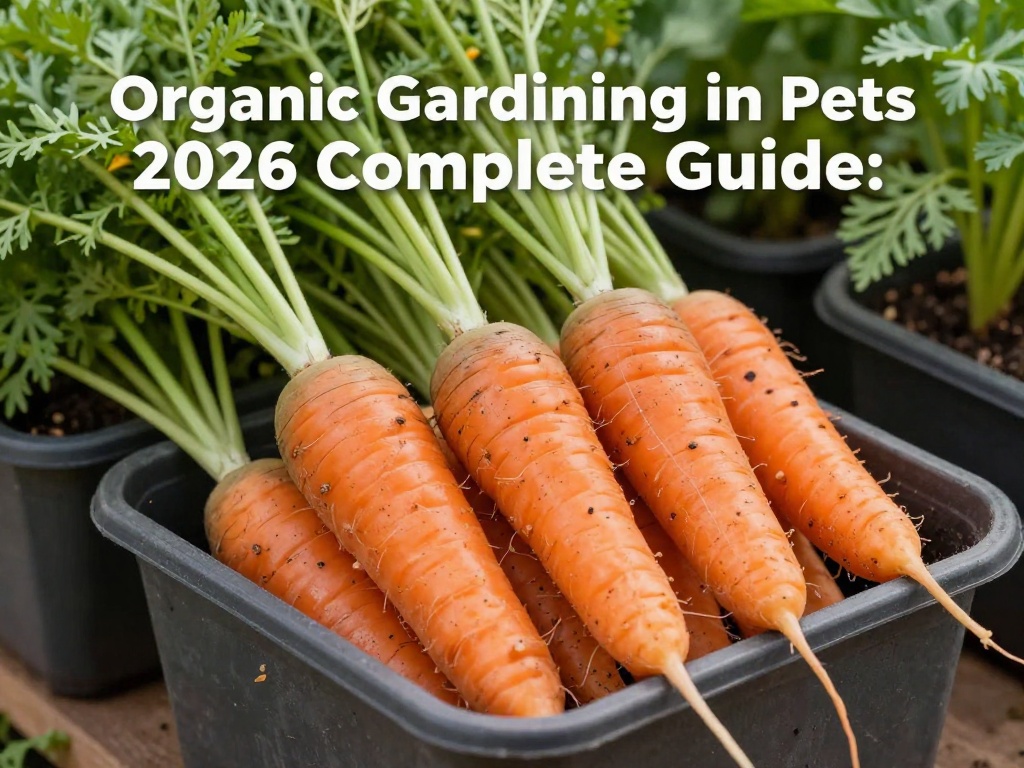
Carrots Organic Gardening in Pots: 2026 Complete Guide
Carrots organic gardening in pots offers urban gardeners and space-conscious growers an incredible opportunity to harvest sweet, crisp carrots right from their balconies, patios, or even windowsills. Whether you live in a small apartment or simply want to control your growing environment, container carrot cultivation delivers impressive results when done correctly. This comprehensive guide walks you through every step of growing delicious organic carrots in containers, from selecting the right pot to enjoying your harvest.
Why Choose Container Carrot Gardening?
Container gardening has surged in popularity, and for good reason. Modern gardeners face limited space, poor soil conditions, or rental situations that prevent traditional in-ground planting. Carrots organic gardening in pots solves these challenges while offering unique advantages you cannot find in standard garden beds.
Benefits of Growing Carrots in Containers
When you grow carrots in containers, you gain complete control over soil quality, moisture levels, and pest exposure. This means you can create the perfect environment specifically tailored to carrot needs without worrying about your native soil composition. Additionally, containers allow you to move plants to optimize sunlight exposure throughout the growing season.
Containers also protect your carrots from soil-borne diseases and common garden pests like carrot rust flies. The elevated position makes harvesting easier on your back, and you can extend your growing season by moving pots indoors during unexpected frosts. For apartment dwellers, this method transforms any sunny spot into a productive vegetable garden.
Understanding Carrot Root Development
Carrots develop long taproots that store energy and nutrients. Understanding this growth pattern is essential for successful container cultivation. The main root can extend 6-12 inches depending on variety, which directly impacts your container depth requirements. Loose, stone-free soil allows roots to grow straight and unimpeded, resulting in well-formed carrots with proper shape and flavor.
Choosing the Right Containers for Carrots
Selecting appropriate containers forms the foundation of successful carrots organic gardening in pots. The right container provides adequate depth for root development while ensuring proper drainage and soil volume for nutrient retention.
Container Size Requirements
Carrots need depth, not width. Choose pots that are at least 12 inches deep for standard varieties, though 14-16 inches produces better results with longer carrot varieties. Width matters less than depth, so rectangular window boxes or long trough-style containers work excellently for maximizing your planting area on patios or balconies.
For round containers, select pots at least 12 inches in diameter. You can space carrots 2-3 inches apart in all directions, so a container 12 inches wide accommodates roughly 16-20 plants depending on shape. Remember that overcrowding leads to stunted, forked carrots that struggle to develop properly.
Container Material Considerations
Plastic, ceramic, fabric grow bags, and wooden planters all work well for carrots. Fabric grow bags offer exceptional drainage and air pruning benefits that promote straight root development. Plastic containers retain moisture longer, reducing watering frequency. Avoid dark-colored containers in hot climates, as they absorb heat and can stress plant roots. Whatever material you choose, ensure adequate drainage holes in the bottom to prevent waterlogging.
Selecting Organic Soil and Growing Medium
Soil quality determines success in carrots organic gardening in pots more than any other factor. Carrots require loose, well-draining soil that allows roots to penetrate easily without obstruction. Heavy, compacted, or rocky soil causes forked, twisted carrots that are difficult to harvest and less appetizing.
Ideal Potting Mix Recipe
Create your own organic potting mix by combining equal parts of the following ingredients: high-quality organic compost, coconut coir or peat moss for moisture retention, and coarse sand or perlite for drainage. This combination provides the loose, fluffy texture carrots desperately need while maintaining adequate nutrients and moisture-holding capacity.
Avoid using garden soil alone in containers, as it compacts easily and may harbor pests or diseases. Commercial organic potting mixes work well but verify they contain no synthetic fertilizers or pesticides. The ideal pH range for carrots falls between 6.0 and 6.8, slightly acidic to neutral.
Adding Organic Amendments
Enrich your potting mix with organic amendments that support healthy carrot development. Well-aged compost provides slow-release nutrients throughout the growing season. Add a handful of organic bone meal to support root development and a small amount of wood ash for potassium. Avoid fresh manure or high-nitrogen fertilizers, as excessive nitrogen promotes leafy tops at the expense of root development.
Planting Carrots in Containers
Proper planting technique sets the stage for vigorous growth and abundant harvests. Carrots grown organically in pots require attention to seed spacing, depth, and initial care during germination.
Choosing Carrot Varieties for Containers
Not all carrot varieties perform equally well in containers. Short-rooted and round varieties excel in shallower pots, while longer varieties need maximum depth. Recommended varieties for containers include 'Paris Market,' 'Thumbelina,' 'Romeo,' 'Danvers Half Long,' and 'Nantes' types. These varieties have been bred to thrive in constrained spaces and produce well-formed roots.
For beginners, start with 'Thumbelina' or 'Paris Market' as these varieties forgive minor spacing errors and mature quickly. Experienced growers can experiment with longer Nantes or Danvers types in deeper containers for impressive harvests.
Step-by-Step Planting Process
Fill your container with moistened potting mix, leaving one inch below the rim. Tamp the soil gently to eliminate major air pockets but avoid compacting it. Create shallow furrows approximately 1/4 inch deep using your finger or a small stick. Space furrows 3 inches apart if planting multiple rows.
Carrot seeds are tiny and require light coverage, not deep planting. Scatter seeds sparingly along the furrow, aiming for 2-3 seeds per inch. Lightly cover seeds with 1/4 inch of fine potting mix and mist gently with water. Place containers in a location receiving at least 6-8 hours of direct sunlight daily.
Germination Tips and Timeline
Carrot seeds germinate slowly, typically requiring 14-21 days under optimal conditions. Keep the soil consistently moist but never waterlogged during this period. Covering the container with clear plastic wrap creates a humid microenvironment that speeds germination. Remove the cover immediately once sprouts emerge to prevent fungal issues.
Be patient during germination. Carrot seeds contain natural germination inhibitors that delay sprouting. Some gardeners pre-soak seeds for 12 hours to accelerate the process, though this is optional. Consistent moisture and warmth are the most important factors for successful germination.
Caring for Container-Grown Carrots
Ongoing care determines whether your carrots thrive or merely survive. Successful carrots organic gardening in pots requires attention to watering, feeding, and environmental management throughout the growing season.
Watering Requirements
Container carrots need consistent moisture for optimal growth and root development. Water deeply whenever the top inch of soil feels dry, typically every 2-3 days depending on climate and container size. Shallow, frequent watering encourages shallow root systems, while deep watering promotes the extensive root network carrots need.
Containers dry out faster than garden beds, especially in summer heat. Check moisture levels daily during hot weather. Mulching the soil surface with organic straw or shredded leaves reduces evaporation and maintains more consistent soil moisture. Water in the morning to reduce disease risk and allow foliage to dry before evening.
Organic Fertilization Schedule
Feed your container carrots with organic fertilizers every 3-4 weeks during active growth. Liquid seaweed extract provides trace minerals and promotes healthy development. Fish emulsion offers nitrogen for foliage growth, while organic potassium sources like kelp meal support root development. Avoid high-nitrogen fertilizers that produce lush tops but tiny roots.
Top-dressing with aged compost midway through the growing season provides slow-release nutrition without the risk of burning delicate roots. Apply a thin layer around plants, working it gently into the soil surface without disturbing the developing carrots.
Managing Sunlight and Temperature
Carrots perform best with 6-8 hours of direct sunlight daily. In extremely hot climates, afternoon shade prevents soil overheating and reduces water stress. If your containers receive less than optimal light, carrots will still grow but may produce smaller roots and require longer maturation time.
Carrots prefer cool temperatures between 60-70°F for optimal growth. In regions with hot summers, position containers where they receive morning sun and afternoon shade. During heat waves, move containers to cooler locations or provide shade cloth protection to prevent bolting and bitter-tasting roots.
Common Problems and Solutions
Even with careful attention, container gardeners encounter challenges. Identifying issues early and implementing appropriate solutions protects your carrot crop and ensures successful harvests.
Pest Management
While container gardening reduces many pest problems, carrots still face occasional threats. Aphids occasionally colonize carrot foliage; spray them off with a strong stream of water or apply neem oil spray. Carrot rust flies may lay eggs near container edges; floating row covers provide effective barrier protection. Regularly inspect plants for signs of pest activity and address problems promptly.
Fungal diseases like alternaria leaf blight and powdery mildew appear when air circulation is poor or foliage remains wet. Space plants adequately, water at soil level, and ensure good airflow around containers. Remove and dispose of affected plant material immediately to prevent spread.
Troubleshooting Growth Issues
Forked carrots result from obstacles in the soil, including rocks, compacted layers, or fresh organic matter. Ensure your potting mix is completely loose and free of debris. Stunted growth often indicates nutrient deficiency or root-bound conditions. Slow growth with pale foliage suggests nitrogen deficiency, treatable with fish emulsion application.
Cracked roots occur from irregular watering followed by heavy irrigation. Maintain consistent moisture levels to prevent this cosmetic damage. Green shoulders develop when the carrot crown is exposed to sunlight; hill soil around developing crowns or add mulch to cover them.
Harvesting Your Container Carrots
Harvesting marks the rewarding conclusion to your carrots organic gardening in pots journey. Proper timing and technique ensure you enjoy the sweetest, most flavorful carrots possible.
When to Harvest
Most carrot varieties mature 70-80 days after germination, though container-grown carrots may take slightly longer. Begin checking for maturity when you see the crown emerging at soil level. The shoulders should be about 3/4 inch in diameter for most varieties, though small-container varieties mature smaller.
Taste testing provides the best harvest timing indicator. Gently expose the crown of one carrot and taste test its sweetness. Carrots develop their full sugar content only in the final weeks of growth, so resist premature harvesting. Most varieties can remain in soil longer without deterioration, making them forgiving crops for busy gardeners.
Harvesting Technique
Water containers thoroughly the day before harvest to soften soil and ease root removal. Grip carrot tops firmly near the base and rock gently while pulling straight up. If resistance occurs, use a trowel to loosen soil around the root before attempting removal. Avoid breaking carrot tops during extraction.
Handle harvested carrots gently to prevent bruising. Brush off excess soil but do not wash roots until you are ready to use them. Remove foliage immediately by twisting or cutting tops 1/4 inch above the crown. Store unwashed carrots in the refrigerator for 2-4 weeks.
Storing and Enjoying Your Harvest
Proper storage preserves the fruits of your labor for weeks after harvesting. Your homegrown organic carrots offer superior flavor and nutrition compared to store-bought alternatives.
Storage Methods
Place unwashed carrots in perforated plastic bags in the refrigerator vegetable drawer. Remove any foliage before storage as it draws moisture from the root. For longer storage, pack carrots in slightly damp sand or sawdust in a cool basement or garage. Properly stored carrots remain fresh for 3-4 months.
Consider preserving excess harvest through blanching and freezing, pickling, or creating carrot juice. Dehydrated carrot chips make nutritious snacks, while carrot tops can be transformed into pesto or added to soups for complete plant utilization.
Frequently Asked Questions
What is the best time of year to plant carrots in containers?
The ideal planting time depends on your climate zone. For most regions, plant carrots 2-4 weeks before the last spring frost for summer harvest, or in late summer for fall harvest. Carrots tolerate light frosts and develop sweeter flavor after cool nights. In mild climates, you can grow carrots nearly year-round.
How much does it cost to start a container carrot garden?
Starting a container carrot garden costs between $30-60 for basic supplies including containers, potting mix, seeds, and organic amendments. Reusable containers and quality potting mix represent the largest initial investments but last multiple seasons. Seeds cost only $2-4 per packet, and a single packet yields dozens of plants. Subsequent years cost only $5-10 for seeds and minimal amendments.
What are the most common beginner mistakes with container carrots?
Common mistakes include planting too deeply, overwatering, using poor-draining soil, overcrowding seedlings, and insufficient sunlight exposure. Beginners often harvest too early before roots mature fully. Using garden soil instead of proper potting mix and forgetting drainage holes in containers also cause problems. Patience during the slow germination period and consistent moisture management are crucial for success.
How long does it take to grow carrots in pots?
Container carrots typically require 70-90 days from seed germination to harvest maturity, slightly longer than garden-grown carrots due to space constraints. Small round varieties may mature in 60-70 days, while longer varieties need the full 80-90 days. Growth rate depends heavily on container depth, soil quality, temperature, and consistent care throughout the growing season.
Can I grow carrots organically without any fertilizer?
Yes, you can grow carrots organically without purchased fertilizers by using a quality compost-enriched potting mix. Well-aged compost provides all necessary nutrients for healthy carrot growth. Adding bone meal at planting supports initial root development, while top-dressing with compost mid-season provides ongoing nutrition. High-quality organic potting mix containing compost may supply all nutrients for the entire growing season.
Why are my container carrots small and stunted?
Small, stunted carrots usually indicate several possible issues: insufficient container depth, compacted or poor-quality soil, overcrowding, inadequate nutrients, or inconsistent watering. Containers shallower than 10 inches severely restrict root development. Check that your pot provides adequate depth, use loose organic potting mix, thin seedlings properly, and maintain consistent moisture and feeding schedules.
Carrots organic gardening in pots represents one of the most rewarding container gardening endeavors. With proper technique, quality materials, and patient attention, you can harvest delicious, sweet carrots regardless of your outdoor space limitations. Start your container carrot garden today and discover the incredible satisfaction of growing your own organic vegetables at home.
No comments