
Zucchini Vertical Gardening Organic Method: 2026 Grower's Guide
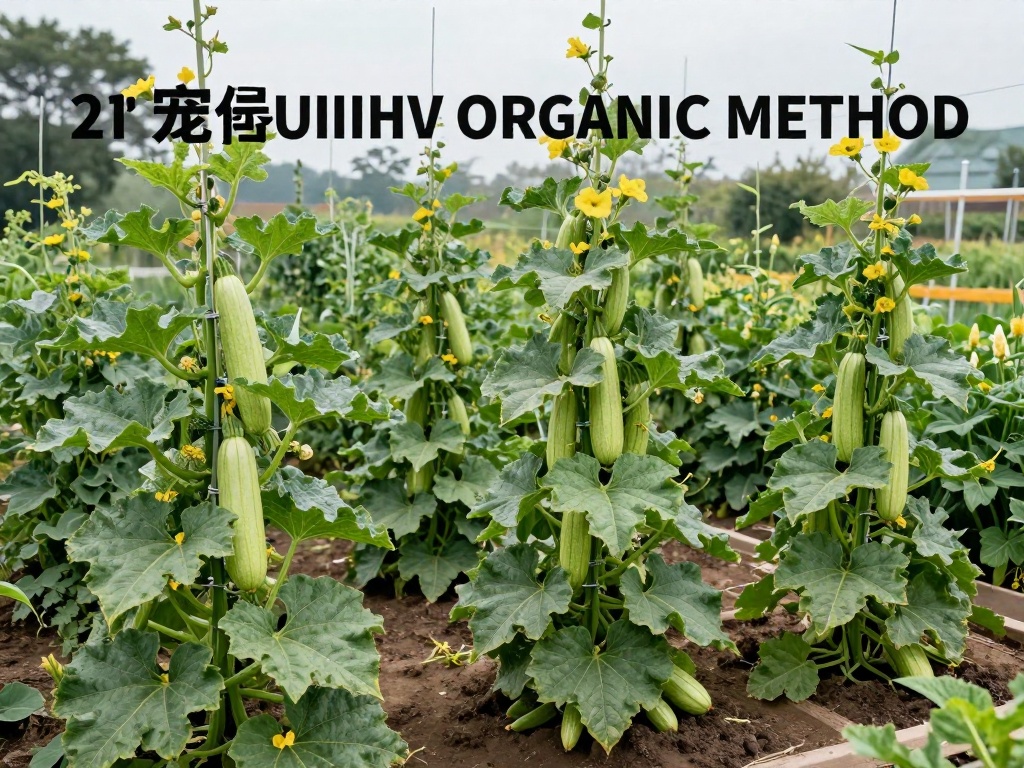
Zucchini Vertical Gardening Organic Method: 2026 Grower's Guide
Vertical gardening has revolutionized how home growers cultivate summer squash, and the zucchini vertical gardening organic method offers an environmentally sustainable approach to maximizing your harvest in minimal space. Whether you have a compact urban balcony, a small backyard, or raised beds, training zucchini to grow upward saves valuable ground space while improving air circulation and reducing disease pressure. This comprehensive 2026 grower's guide walks you through every step of establishing a thriving vertical zucchini garden using completely organic techniques that work synergistically with nature.
The organic approach to vertical zucchini cultivation goes beyond simply avoiding synthetic fertilizers—it encompasses building healthy soil biology, encouraging beneficial insects, and creating a resilient growing ecosystem that produces nutritious, chemical-free produce season after season. Modern gardeners are discovering that vertical growing methods can increase yields by up to 40% compared to traditional horizontal planting while using 70% less garden space.
Why Choose Vertical Gardening for Zucchini
Traditional zucchini plants sprawl across garden beds, often requiring 3-4 square feet of horizontal space per plant. This sprawling growth habit makes them impractical for urban gardeners, apartment dwellers, and anyone working with limited garden real estate. The organic vertical gardening method transforms this challenging geometry by encouraging upward growth through strategic support systems and training techniques.
Space Efficiency Benefits
Vertical zucchini gardening enables you to grow up to three plants in the same space that would traditionally accommodate a single sprawling specimen. This space-saving advantage proves particularly valuable for container gardeners, those with raised beds, and anyone cultivating on patios or balconies. The vertical orientation also positions fruits at a comfortable harvesting height, eliminating the need to bend or crouch during harvest.
Improved Plant Health
When zucchini vines climb rather than sprawl, air circulates more freely around foliage, dramatically reducing fungal diseases like powdery mildew that commonly afflict these plants in humid conditions. Elevated growing also keeps leaves and fruits off damp soil, preventing rot and minimizing pest access. Organic gardeners particularly appreciate how vertical growing supports natural pest management by making it easier to spot and address issues before they spread.
Higher Quality Harvest
Fruits grown on vertical plants tend to develop more uniform shapes and consistent sizing because they hang freely without resting on the ground. This natural positioning also results in cleaner produce that requires less washing and preparation before cooking. Many growers report that vertically grown zucchini have superior texture and flavor compared to ground-grown counterparts.
Essential Materials for Organic Vertical Zucchini Growing
Before beginning your zucchini vertical gardening organic method journey, gather materials that align with organic gardening principles. The foundation of successful organic cultivation lies in selecting untreated, natural, or sustainably sourced materials that won't introduce harmful chemicals into your growing system.
Support Structures
Sturdy trellises or supports rated for at least 20-30 pounds of weight prove essential, as mature zucchini fruits can weigh 1-3 pounds each, and multiple fruits develop simultaneously on healthy plants. Options include wooden A-frame trellises, livestock panel arches, heavy-duty tomato cages adapted for squash, and custom-built bamboo structures. For container growing in small spaces, consider vertical pallet gardens or pocket planters designed specifically for compact vegetable production.
Organic Growing Medium
If growing in containers, use certified organic potting mix enriched with aged compost. The ideal organic growing medium for vertical zucchini contains a balanced blend of aged manure, coconut coir for moisture retention, perlite for drainage, and worm castings for slow-release nutrition. For raised bed installations, amend native soil with 3-4 inches of organic compost worked to a depth of 12 inches to create a nutrient-rich, well-draining foundation.
Natural Ties and Training Supplies
Soft natural fiber ties like cotton twine, jute, or flexible bamboo stakes work excellently for securing vines to supports without damaging stems. Avoid plastic ties or synthetic materials that could leach unwanted compounds into your organic growing system. Soft fabric plant clips designed for organic use provide convenient temporary attachment points during the early training phase.
Step-by-Step: Planting Zucchini for Vertical Growth
Successful vertical zucchini gardening begins with proper planting technique. The organic method emphasizes building strong root systems and healthy initial growth that will support vigorous vertical development throughout the season.
Starting Seeds Organically
Begin organic zucchini seeds indoors 3-4 weeks before your last frost date, or direct sow into prepared growing locations after soil temperatures reach 60°F (16°C). Use organic seed-starting mix in biodegradable pots that can be transplanted directly without disturbing roots. Sow seeds 1 inch deep, maintaining consistent moisture until germination occurs within 5-10 days. Choose organic seed varieties specifically suited for container or vertical growing, such as bush types that adapt more readily to training systems.
Transplanting to Final Position
When seedlings develop their third set of true leaves, they're ready for transplanting to their permanent vertical growing location. Space plants 18-24 inches apart when using a trellis system, allowing adequate room for air circulation while maximizing space efficiency. Plant at the same depth as the seedling grew in its container, gently firming organic soil around roots and watering thoroughly with diluted organic seaweed extract to reduce transplant shock.
Initial Training Techniques
Begin vertical training when seedlings reach 12-18 inches in height. Gently bend the main stem toward your support structure and secure it loosely with natural twine. Never force stems into position—instead, guide them gradually over several days to avoid stem damage. As the plant grows, continue securing the main vine every 8-12 inches, loosening ties as stems thicken to prevent constriction.
Organic Care and Maintenance
The zucchini vertical gardening organic method requires consistent, attentive care using only natural inputs that nourish both plants and soil ecosystems. Successful organic maintenance builds upon the principles of feeding the soil rather than just the plant.
Organic Fertilization Schedule
Begin organic feeding two weeks after transplanting with a diluted fish emulsion application at half-strength. Continue feeding every 2-3 weeks throughout the growing season, alternating between fish emulsion, compost tea, and organic kelp extract for balanced nutrition. When fruits begin developing, increase feeding frequency to support rapid growth and supplement with Epsom salt dissolved in water (1 tablespoon per gallon) applied as a foliar spray to boost magnesium availability.
Natural Pest Management
Organic pest control for vertical zucchini focuses on prevention and beneficial insect encouragement. Plant companion flowers like marigolds, nasturtiums, and borage nearby to attract predatory insects that consume common zucchini pests including aphids, squash bugs, and cucumber beetles. Introduce beneficial nematodes to soil annually to control soil-dwelling pest larvae. For persistent aphid issues, spray affected areas with a solution of 1 tablespoon organic liquid dish soap in 1 quart water, rinsing after 30 minutes.
Disease Prevention Organically
Powdery mildew remains the most common fungal issue affecting zucchini, but vertical growing significantly reduces its occurrence. As an additional organic preventative, spray foliage weekly with a solution of 1 part organic milk to 9 parts water, which creates an environment hostile to fungal growth while providing foliar nutrition. Remove any affected leaves promptly and dispose of them in sealed bags—never compost diseased plant material.
Watering Techniques for Vertical Zucchini
Proper watering proves especially critical for vertically grown zucchini, as container and elevated growing systems dry out more quickly than traditional garden beds. The organic method emphasizes deep, infrequent watering that encourages robust root development while maintaining consistent soil moisture.
Water deeply at soil level in the early morning hours, applying moisture until it flows freely from container drainage holes or soaking the top 6-8 inches of soil in ground installations. During hot summer weather, vertical zucchini may require daily watering, while cooler periods might allow 2-3 day intervals. Mulching around the base of plants with 2-3 inches of organic straw or shredded leaves helps retain moisture and moderates soil temperature fluctuations.
Harvesting Your Vertical Zucchini
Knowing when and how to harvest significantly impacts both fruit quality and continued production. Vertically grown zucchini typically produces more uniform fruits that are easy to spot and reach, simplifying the harvest process considerably.
Harvest zucchini when fruits reach 6-8 inches in length for optimal texture and flavor—larger fruits become seedy and watery. Check plants every 1-2 days during peak production, as zucchini can rapidly progress from perfect harvest size to oversized. Use sharp, clean pruners or a knife to cut fruits from the vine, leaving a 1-inch stem attached. Harvesting regularly encourages continued flowering and fruit production throughout the season.
Common Mistakes to Avoid
Avoiding these frequent errors will dramatically improve your success with the zucchini vertical gardening organic method. Many beginning vertical gardeners inadvertently sabotage their efforts through well-intentioned but counterproductive practices.
- Insufficient structural support – Underestimating plant weight and vine density leads to collapsed supports and damaged plants. Always over-engineer your support system.
- Overwatering – Vertically grown plants in containers appear to need more water, but roots in restricted spaces easily succumb to rot when over-watered.
- Neglecting pollination – Vertical growing can reduce natural bee access to flowers. Hand-pollinate by transferring pollen from male to female blooms using a small paintbrush if fruit set appears poor.
- Skipping organic amendments – Container soil depletes nutrients rapidly without the natural biological activity present in garden soil. Commit to consistent organic feeding.
- Harvesting too late – Allowing zucchini to grow oversized signals the plant to reduce production. Harvest young for continuous yields.
Seasonal Timeline for Success
Following this seasonal calendar ensures your organic vertical zucchini growing efforts align with natural growing cycles and local climate conditions.
- 6-8 weeks before last frost – Start organic seeds indoors under grow lights
- 2-4 weeks after last frost – Harden off seedlings and prepare support structures
- After soil reaches 60°F (16°C) – Transplant seedlings to final positions
- 4-6 weeks after transplanting – Begin vertical training and organic fertilization
- 8-10 weeks after planting – First harvest typically begins
- Throughout growing season – Continue harvesting, feeding, and monitoring
- First fall frost – Remove plants and add organic matter to compost
Cost and Effort Assessment
The zucchini vertical gardening organic method requires moderate initial investment with relatively low ongoing effort once established. Understanding the resource requirements helps you plan appropriately for successful cultivation.
Startup Costs
Initial investments typically range from $30-80 depending on whether you're constructing DIY supports or purchasing commercial systems. Organic potting soil and amendments add $15-30, while seeds cost $3-10 for organic varieties. Overall, starting a vertical organic zucchini garden costs comparable to traditional growing methods while delivering superior space efficiency.
Ongoing Maintenance Effort
Weekly time investment averages 2-3 hours for a healthy vertical zucchini garden, including watering, feeding, training, pest monitoring, and harvesting. This represents significantly less effort than maintaining sprawling traditional plants that require ground-level weeding, leaf cleanup, and fruit searching under dense foliage.
Results Timeline
Understanding when to expect results helps manage expectations and motivates continued attention to your organic vertical growing system. Zucchini responds relatively quickly to proper care, rewarding patient gardeners with abundant harvests.
- Week 1-2 – Transplant shock recovery and root establishment
- Week 3-4 – Visible vertical growth and new leaf development
- Week 5-6 – First flowers appear, begin training main vines
- Week 7-8 – First harvest-ready fruits develop
- Week 8-16 – Peak production period with regular harvesting
- Week 16+ – Production gradually declines as season progresses
Frequently Asked Questions
What are the best zucchini varieties for vertical gardening in 2026?
The most successful vertical gardening varieties include 'Black Beauty' bush zucchini, 'Fordhook' squash, compact varieties like 'Patio Star' developed specifically for containers, and heirloom 'Costata Romanesco' which climbs readily when trained. Choose bush or semi-bush varieties rather than vigorous vining types for best results in vertical systems, as these naturally maintain more compact growth habits.
Can I grow zucchini vertically in containers on my apartment balcony?
Absolutely—growing zucchini vertically in containers works excellently for balcony gardeners. Use containers at least 18 inches in diameter and 24 inches deep with adequate drainage holes. Position containers against a wall-mounted trellis or railing support system. Ensure your balcony receives at least 6-8 hours of direct sunlight daily and protect plants from strong winds that could damage vines or dry out soil rapidly.
How do I prevent powdery mildew when growing zucchini vertically?
Prevent powdery mildew organically by maintaining proper plant spacing for air circulation, positioning plants where they'll receive morning sunlight to dry dew quickly, and applying weekly preventive sprays of diluted organic milk. Remove affected leaves immediately at the first sign of white powdery spots. Vertical growing itself provides excellent disease prevention by keeping foliage elevated and well-aired.
What organic fertilizer works best for vertical zucchini plants?
A rotating regimen of fish emulsion for nitrogen, kelp extract for micronutrients, and compost tea for overall soil health produces excellent results. Apply fish emulsion every two weeks during active growth, supplement with monthly compost tea applications, and use Epsom salt foliar sprays when fruits develop to prevent blossom end rot. Worm castings make an excellent organic side dressing that slowly releases nutrients throughout the season.
How long does it take to see results from the organic vertical gardening method?
You'll typically see visible results within 2-3 weeks of transplanting, with vigorous vertical growth becoming apparent by week four. First harvestable fruits appear within 7-10 weeks of planting, depending on variety and growing conditions. The organic method may produce slightly slower initial growth compared to synthetic fertilizers, but plants develop stronger root systems and more sustainable health that rewards patient gardeners with extended production.
What common mistakes do beginners make with vertical zucchini gardening?
Beginners most frequently underestimate the weight-bearing requirements of support structures, resulting in collapsed trellises mid-season. Other errors include overwatering in containers, failing to train vines early enough for proper vertical habit development, harvesting too infrequently which signals the plant to slow production, and neglecting hand pollination in areas with limited bee activity. Starting with a single plant and observing its growth closely helps new gardeners develop intuition before expanding their vertical garden.
Mastering the zucchini vertical gardening organic method opens up tremendous possibilities for gardeners working with limited space. By following these comprehensive guidelines, you'll produce abundant organic zucchini harvests while developing skills that transfer to countless other vertical growing projects. The combination of upward growth and organic cultivation practices creates a sustainable gardening system that benefits both your household and the broader environment.
No comments