
Zucchini Vertical Gardening Organic Method: 2026 Complete Guide
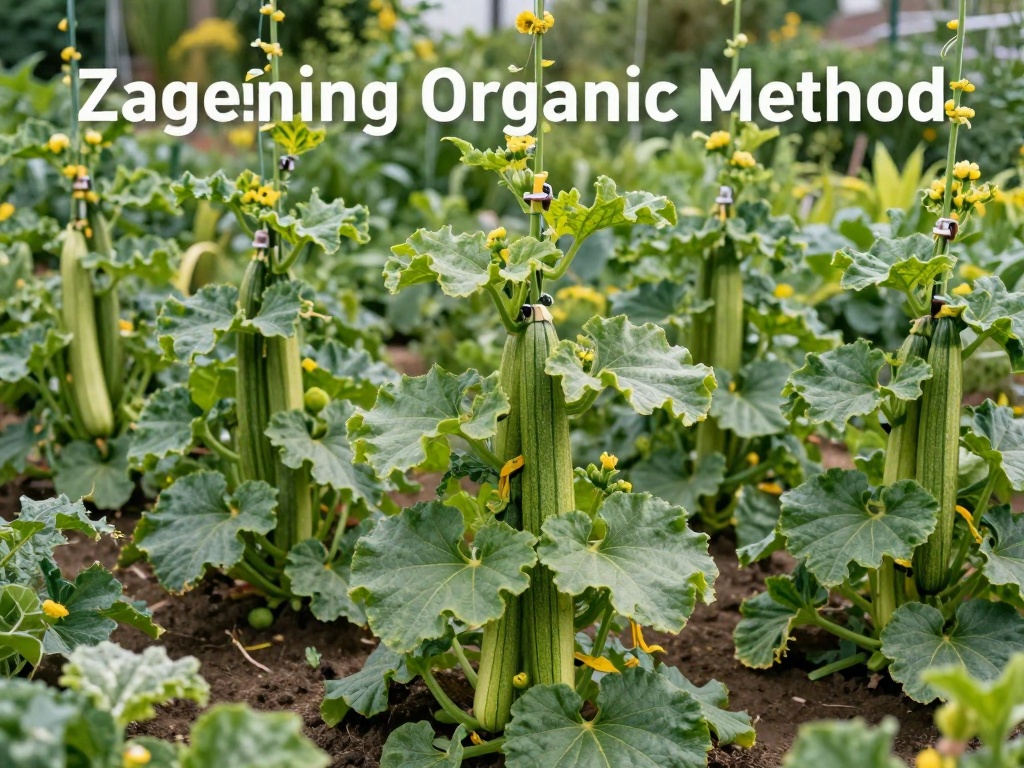
Zucchini Vertical Gardening Organic Method: 2026 Complete Guide
Growing zucchini vertically using organic methods has revolutionized how home gardeners cultivate this prolific summer squash. Whether you have a small balcony, limited garden space, or simply want to maximize your harvest, the zucchini vertical gardening organic method offers an efficient solution that works for beginners and experienced growers alike. This comprehensive guide walks you through everything you need to know to succeed with vertical zucchini cultivation in 2026.
Why Choose Vertical Growing for Zucchini
Zucchini plants are known for their aggressive horizontal growth, often spreading 3-4 feet across and overwhelming smaller garden spaces. The vertical gardening approach redirects this vigorous growth upward, transforming how you cultivate this versatile vegetable.
Space Efficiency for Small Spaces
One of the most compelling reasons to adopt the zucchini vertical gardening organic method is its remarkable space efficiency. A single plant that would normally require 16 square feet of ground space can thrive in just 4 square feet when grown vertically. This makes it ideal for apartment balconies, patios, and urban gardens where square footage is precious.
Improved Air Circulation and Disease Prevention
When zucchini grows vertically, air moves freely around leaves and stems, significantly reducing the risk of fungal diseases like powdery mildew. This natural airflow is one of the most effective organic methods for keeping your plants healthy without chemical interventions.
Simplified Harvesting and Maintenance
Vertically grown zucchini is easier to spot and harvest. No more bending over or crawling through dense foliage to find that perfect specimen. Regular harvesting becomes a quick, enjoyable task rather than a wrestling match with thorny stems.
Best Zucchini Varieties for Vertical Gardening
Not all zucchini varieties adapt equally well to vertical growing. Selecting the right cultivar is crucial for success with this organic gardening method.
Compact Bush Varieties
Look for bush-type zucchini varieties that naturally produce shorter vines. 'Black Beauty,' 'Bush Baby,' and 'Raven' are excellent choices that respond well to trellising while maintaining manageable plant sizes.
Trellis-Friendly Vining Types
Some zucchini varieties naturally climb and adapt beautifully to vertical structures. 'Trombocino' and 'Costata Romanesco' are Italian heirlooms specifically bred for climbing, making them perfect candidates for the zucchini vertical gardening organic method.
Essential Materials and Setup
Before planting, gather the materials needed for a successful vertical gardening system. The investment in proper setup pays dividends throughout the growing season.
Choosing Your Support Structure
Select a sturdy trellis, pergola, or cage system capable of supporting 20-50 pounds per plant. Heavy-duty livestock panels, welded wire grids, or commercial tomato cages modified for zucchini work exceptionally well. Ensure your structure is anchored securely into the ground or containers.
Container Selection for Container Growers
If growing in containers on a balcony or patio, use at least 15-gallon containers with adequate drainage holes. Fabric grow bags are an excellent organic option that promotes healthy root systems and prevents waterlogging.
Step-by-Step Planting Guide
Follow this step-by-step approach for establishing your vertically grown zucchini using organic methods.
Preparing Organic Soil Mix
Create a rich, well-draining organic planting medium by combining:
- 60% quality organic compost
- 30% coco coir or peat moss for moisture retention
- 10% perlite or coarse sand for drainage
Add a handful of organic bone meal and kelp meal to provide slow-release nutrition throughout the season.
Planting Technique for Vertical Growth
Plant zucchini seedlings or seeds at the base of your support structure. As plants grow, gently train main stems toward the trellis, securing them loosely with soft plant ties or natural twine. Allow side shoots to climb independently, guiding them as needed during the first 4-6 weeks.
Organic Care and Maintenance
Maintaining your vertical zucchini using natural approaches ensures healthy plants and delicious, chemical-free harvests.
Watering Best Practices
Vertically grown zucchini requires consistent moisture. Water deeply at soil level early in the morning, providing 1-2 inches of water weekly. Vertical growing often requires more frequent watering than ground planting due to increased air circulation and faster evaporation. Mulch around the base with organic straw to retain moisture.
Natural Pest Control Methods
Combat common zucchini pests using organic strategies:
- Introduce beneficial insects like ladybugs and lacewings
- Apply neem oil spray for aphids and squash bugs
- Use row covers during early growth stages
- Handpick larger pests like cucumber beetles
- Plant companion herbs like basil and nasturtiums as trap crops
Organic Fertilization Schedule
Feed your vertically grown zucchini with organic amendments every 2-3 weeks during peak production:
- Fish emulsion or seaweed extract for nitrogen
- Organic compost tea for overall nutrition
- Side-dress with aged compost monthly
Common Mistakes to Avoid
Even experienced gardeners encounter challenges with the zucchini vertical gardening organic method. Avoiding these pitfalls ensures better results.
Never allow fruits to become too heavy and pull away from stems—use cloth slings or mesh bags to support developing zucchini. Avoid overwatering, which causes root rot in container-grown plants. Never use synthetic fertilizers that compromise your organic certification goals.
Harvesting Your Vertical Zucchini
Harvest zucchini when fruits reach 6-8 inches in length for optimal flavor and texture. Check plants daily during peak season, as zucchini can grow from flower to mature fruit in just 48-72 hours. Use sharp pruners or a knife, cutting cleanly at the stem about 1 inch above the fruit.
Regular harvesting using this organic method actually stimulates increased production, encouraging your plant to set more flowers and fruits throughout the season.
Frequently Asked Questions
How much space do I need for vertical zucchini gardening?
A single vertically grown zucchini plant requires only 2-4 square feet of floor space, with support structures extending 4-6 feet upward. This makes it perfect for small gardens, balconies, and patio containers.
What is the best time to plant zucchini vertically?
Plant zucchini outdoors 2-3 weeks after the last frost date when soil temperatures reach 60°F (15°C). In most regions, this means late spring planting. Succession planting every 2-3 weeks extends your harvest window.
How long does it take to harvest zucchini when grown vertically?
Zucchini typically reaches harvest size 45-65 days after planting, depending on variety and growing conditions. Vertically grown plants may produce slightly faster due to better air circulation and sunlight exposure.
What is the cost difference between vertical and traditional growing?
Initial setup costs for vertical gardening run $30-100 for support structures and containers, compared to in-ground planting. However, vertical growing eliminates soil preparation costs and often produces higher yields per square foot, making it cost-effective over time.
Can beginners successfully grow zucchini vertically?
Absolutely! The zucchini vertical gardening organic method is excellent for beginners. Starting with compact bush varieties, providing consistent water, and harvesting regularly are the three keys to success for first-time growers.
What effort is required for ongoing maintenance?
Plan to spend 15-30 minutes weekly on maintenance tasks including watering, checking for pests, training vines, and harvesting. Container-grown plants may require more frequent watering during hot weather. The effort is minimal compared to traditional ground-level gardening.
No comments