
Zucchini Vertical Gardening Organic Method: 2026 Complete Guide
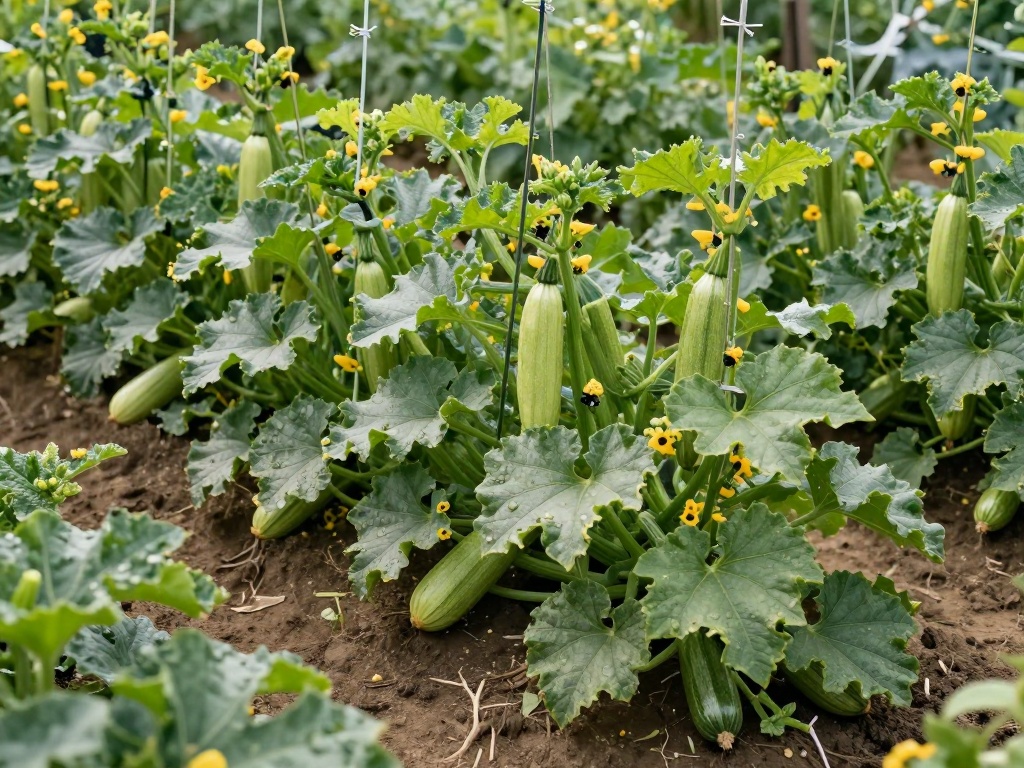
Zucchini Vertical Gardening Organic Method: 2026 Complete Guide
Growing zucchinis vertically using organic methods is revolutionizing home gardening in 2026. This space-saving technique allows gardeners with limited areas to enjoy abundant harvests while maintaining completely natural cultivation practices. Whether you have a small balcony, raised beds, or container garden, vertical zucchini growing delivers impressive results without chemical inputs.
Why Choose Vertical Gardening for Zucchini?
Traditional zucchini plants sprawl across 3-4 feet of garden space, making them impractical for urban gardeners. Vertical gardening redirects growth upward, saving valuable ground space while improving air circulation around foliage. This organic approach reduces disease pressure significantly compared to ground-level cultivation.
Space Efficiency Benefits
Vertical zucchini gardening enables you to grow 2-3 times more plants in the same footprint. A single plant trained on a sturdy trellis produces the same yield as one sprawling across the soil. This method works exceptionally well in small spaces, raised beds, and containers on patios or balconies.
Improved Plant Health and Yield
When zucchini fruits hang freely from trellises, they develop straighter shapes and cleaner surfaces. Air circulation reduces fungal issues like powdery mildew, a common problem with ground-growing zucchinis. Organic gardeners report 15-25% higher yields per square foot using vertical methods.
Essential Materials for Your Organic Vertical Garden
Creating an effective vertical zucchini garden requires proper support structures and organic amendments. Investing in quality materials ensures your plants receive optimal support throughout the growing season.
Support Structures
- Sturdy trellises: Choose wire mesh, wooden lattices, or cattle panels capable of supporting 20-30 pounds per plant
- Heavy-duty stakes: 6-8 foot metal T-posts or hardwood stakes for main support
- Soft plant ties: Organic cotton twine or soft fabric strips for gentle vine attachment
- A-frame systems: Ideal for supporting multiple zucchini plants in raised beds
Organic Soil Amendments
- Composted manure: Well-aged chicken or cow manure provides nitrogen
- Homemade compost: Enriches soil with beneficial microorganisms
- Organic perlite: Improves drainage in container growing
- Fish emulsion: Quick-acting organic fertilizer for fruiting stages
Step-by-Step Zucchini Vertical Gardening Organic Method
Step 1: Selecting Organic Zucchini Varieties
Not all zucchini varieties climb equally well. Compact bush varieties work best for vertical growing, while some vining types naturally produce longer stems suitable for training. Choose disease-resistant organic seed varieties for best results.
Recommended varieties for beginners include Black Beauty, Costata Romanesco, and Golden Zucchini. These types adapt well to vertical training and produce consistently under organic cultivation methods.
Step 2: Preparing Organic Growing Medium
Fill containers or raised beds with a rich organic mixture: 60% quality potting soil, 30% aged compost, and 10% perlite. This combination provides excellent drainage while retaining sufficient moisture and nutrients for healthy zucchini development.
Test soil pH and adjust to 6.0-7.0 range using organic lime or sulfur if necessary. Zucchinis thrive in slightly acidic to neutral conditions, optimal for nutrient absorption in organic systems.
Step 3: Installing Support Structures
Install trellis systems before planting to avoid damaging developing roots. Position supports on the north or east side of your garden to maximize sun exposure while providing afternoon shade during hot summer months. Secure structures firmly into the ground or container using appropriate anchoring methods.
For containers, select pots with minimum 18-inch diameter and depth. Place support stakes directly into the container during planting to prevent future root disturbance.
Step 4: Planting and Initial Training
Plant zucchini starts or direct sow seeds after all frost danger passes and soil temperatures reach 60°F minimum. Space plants 24-36 inches apart along your trellis line. Water thoroughly after planting and apply 2-3 inches of organic mulch to retain moisture and suppress weeds.
Begin training young plants immediately by gently guiding the main stem toward the trellis. Secure loosely with soft ties, leaving room for stem expansion. Remove any lower leaves touching the soil to prevent pest access and disease transmission.
Step 5: Ongoing Care and Maintenance
Water deeply at soil level every 2-3 days during summer heat, providing 1-2 inches of water weekly. Avoid wetting foliage to minimize disease risk. Apply compost tea or fish emulsion every 2-3 weeks during active growth and fruiting stages.
Prune lower suckers and damaged leaves regularly to direct energy toward fruit production. Harvest zucchinis when 6-8 inches long for best flavor and to encourage continued production throughout the season.
Common Mistakes to Avoid in Organic Vertical Growing
Successful zucchini vertical gardening organic method requires avoiding several frequent errors that compromise plant health and productivity. Understanding these pitfalls saves time, money, and frustration during the growing season.
Insufficient Support
Underestimating the weight of mature zucchini fruits causes trellis collapse and plant damage. Always install supports rated for at least 50 pounds per plant to accommodate foliage, fruits, and wind load. Reinforce with additional stakes if growing heavy varieties like Round Zucchini.
Overwatering and Poor Drainage
Container-grown zucchinis suffer quickly from waterlogged conditions. Ensure adequate drainage holes and avoid overwatering. Check soil moisture before irrigating by inserting your finger 2 inches deep—if moist, delay watering.
Neglecting Pollination
Vertical plants may receive fewer pollinator visits than ground-level gardens. Monitor flower production and hand-pollinate if fruit set appears poor. Gently transfer pollen from male flowers to female blooms using a small paintbrush for guaranteed fruiting.
Pest and Disease Management the Organic Way
Organic pest control protects beneficial insects while managing zucchini threats effectively. Prevention through cultural practices forms the foundation of organic disease management in vertical gardens.
Common Zucchini Pests
- Squash vine borers: Prevention through row covers during early season; inspect stems for damage
- Aphids: Blast with water spray or introduce ladybugs for natural control
- Squash bugs: Hand-pick eggs from leaf undersides; use diatomaceous earth barriers
- Cucumber beetles: Yellow sticky traps; kaolin clay foliar spray
Disease Prevention Strategies
Vertical growing naturally improves air circulation, reducing fungal disease pressure. Supplement this advantage by watering at soil level, removing infected leaves immediately, and applying organic fungicides preventively. Copper-based organic fungicides work well for powdery mildew and bacterial spot prevention.
Harvesting and Maximizing Your Vertical Zucchini Yield
Regular harvesting encourages continued production throughout the growing season. Zucchinis reach harvest size rapidly—check plants daily during peak production. Use sharp pruners or a knife to cut fruits from vines, leaving a 1-inch stem attached.
Store harvested zucchinis in the refrigerator for up to one week, or preserve excess through freezing, pickling, or dehydrating. Share surplus with neighbors, friends, or local food banks to reduce food waste.
FAQ: Zucchini Vertical Gardening Organic Method
What is the best month to start vertical zucchini gardening?
Start seeds indoors 3-4 weeks before your last expected frost date, or direct sow outdoors when soil reaches 60°F—typically late spring in most regions. In 2026, many gardeners in USDA zones 5-7 begin planting in mid to late May, while zone 8+ regions can start as early as March.
How much space do I need for vertical zucchini growing?
Vertical zucchini gardens require minimum 2-3 square feet per plant. A 4-foot by 8-foot raised bed accommodates 6-8 vertically trained plants compared to only 2-3 sprawling plants. Even a single container on a patio can produce substantial harvests when trained vertically.
What is the cost comparison between vertical and traditional growing?
Initial setup costs run $50-150 for trellis materials, containers, and organic soil amendments. Long-term savings include reduced water usage (30-40% less due to targeted irrigation), no purchase of chemical fertilizers or pesticides, and substantially higher yields from the same garden footprint.
How long until harvest after planting?
Most zucchini varieties produce harvestable fruits within 45-65 days from transplanting or direct sowing. Vertical plants may begin producing slightly earlier due to improved air circulation and stress-free growing conditions. Continuous harvest extends production for 60-90 days per plant.
What are common beginner mistakes to avoid?
Avoid planting too early in cold soil, overwatering, using weak support structures, forgetting to hand-pollinate in enclosed spaces, harvesting fruits too late (when oversized), and skipping organic fertilizer applications during fruiting. Starting with disease-resistant compact varieties reduces initial challenges significantly.
Can I grow zucchini vertically in containers on a balcony?
Absolutely! Container growing works excellently for vertical zucchini gardening. Use 18-20 gallon containers with quality organic potting mix, install a sturdy trellis or tomato cage, and position in a location receiving 6-8 hours of direct sunlight daily. Balcony gardeners achieve impressive harvests using this approach.
How much effort does organic vertical zucchini gardening require?
Expect 15-20 minutes of weekly maintenance including watering, checking for pests, applying organic fertilizer, and harvesting. Initial setup requires 2-3 hours for installing supports and preparing soil. This moderate investment produces 10-20 pounds of zucchini per plant throughout the season.
No comments