
Zucchini Vertical Gardening: Organic Method for 2026
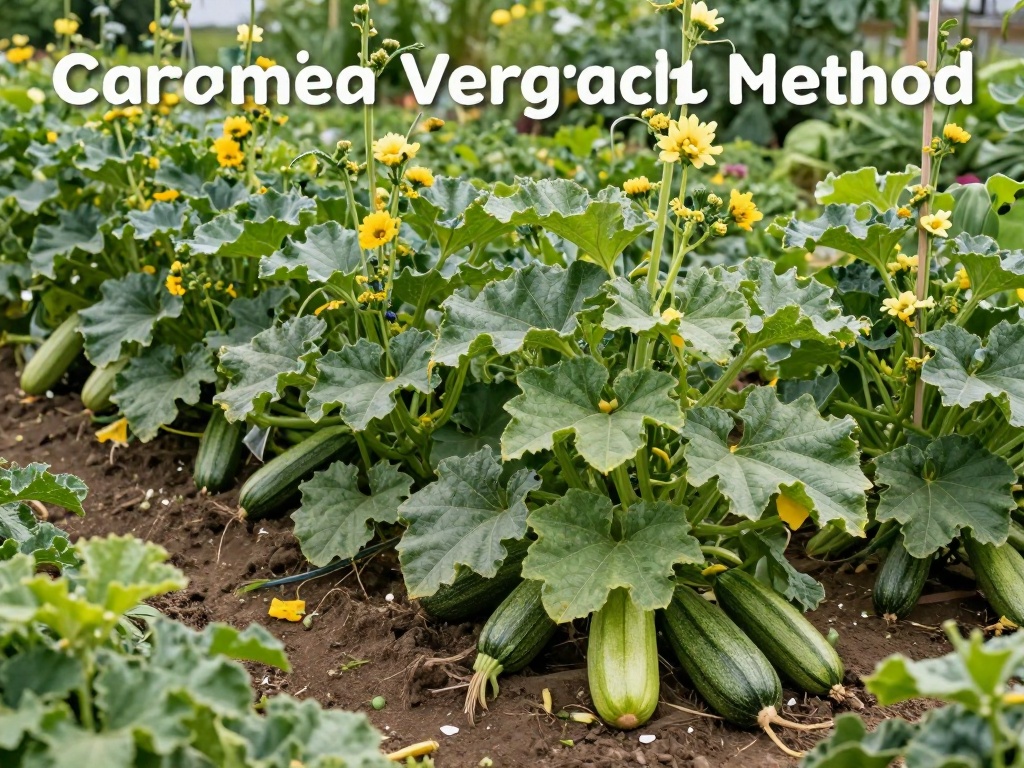
Zucchini Vertical Gardening: Organic Method for 2026
Vertical gardening has revolutionized how home growers cultivate summer squash, and the zucchini vertical gardening organic method offers an eco-friendly solution for maximizing harvest in limited spaces. Whether you have a small balcony, raised beds, or a modest backyard garden, growing zucchini vertically allows you to produce abundant crops while saving valuable ground space. This comprehensive guide reveals proven organic techniques that will help you achieve impressive yields without synthetic fertilizers or pesticides.
Why Choose Vertical Gardening for Zucchini
Traditional zucchini plants sprawl across 3-4 feet of garden space, making them impractical for urban gardeners and those working with containers. The organic vertical gardening method transforms these vigorous growers into space-efficient climbers that actually benefit from upward growth.
Space Efficiency Benefits
- Reduce ground footprint by 70% compared to traditional planting
- Ideal for containers, balconies, and small-space gardens
- Allows companion planting beneath the trellised vines
- Produces cleaner fruits without soil contact
Improved Plant Health
When you grow zucchini vertically, air circulation around the foliage dramatically improves. This natural airflow reduces fungal disease pressure, a common problem in dense zucchini patches. Additionally, fruits hang freely, making them easier to spot and harvest at peak freshness.
Choosing the Right Zucchini Varieties for Vertical Growth
Not all zucchini varieties climb equally well. Select cultivars specifically suited for vertical gardening in containers to ensure success with this organic method.
Best Climbing Zucchini Varieties
- Black Beauty – Classic variety with strong central leader ideal for trellising
- Costata Romanesco – Italian heirloom with sturdy stems and excellent flavor
- Raven – Compact variety perfect for containers and small spaces
- Dunja – Disease-resistant variety that performs exceptionally when vertical
Varieties to Avoid
Bush-type zucchini varieties and those with very large, heavy fruits are poor candidates for vertical gardening. Stick to compact, vining types that naturally produce smaller fruits under 8 inches for best results.
Building Your Vertical Support System
A sturdy support structure is the foundation of successful zucchini vertical gardening organic method. The trellis must support vines weighing 15-30 pounds when mature and resist wind stress.
Materials Needed
- Sturdy wooden posts or metal T-posts (6 feet minimum height)
- Heavy-gauge wire or nylon trellis netting with 6-inch openings
- Cable ties or garden twine for securing vines
- Soft plant ties to prevent stem damage
Step-by-Step Trellis Construction
Install posts at least 12 inches deep in concrete or compacted soil for stability. Stretch trellis netting horizontally between posts, pulling it taut to prevent sagging. Position the structure on the north side of your planting area to minimize shadowing on other crops.
The Organic Method: Soil Preparation and Planting
Success with organic zucchini vertical gardening begins with nutrient-rich, living soil. This method relies entirely on natural amendments to feed your plants throughout the growing season.
Creating Organic Soil Mix for Containers
Combine these ingredients in equal parts for a premium organic growing medium:
- Organic compost – provides slow-release nutrients and beneficial microorganisms
- Aged bark or coconut coir – ensures excellent drainage and aeration
- Worm castings – offers concentrated nutrition and soil conditioning
- Perlite – improves drainage and prevents compaction
Planting Technique for Maximum Yield
Plant zucchini starts after all frost danger passes and soil temperatures reach 60°F (16°C). Position one plant per 15-gallon container or space plants 24 inches apart when growing in raised beds. Bury the stem up to the first true leaves to encourage additional root development along the buried section.
Training Zucchini Vines Vertically
Proper training during early growth stages is essential for successful vertical gardening. The organic method for growing zucchini emphasizes gentle techniques that work with the plant's natural growth patterns.
Initial Training Steps
Begin guiding vines when they reach 12-18 inches in length. Loosely tie the main stem to the trellis using soft plant ties, positioning the vine to grow upward rather than horizontally. Allow the plant's natural tendrils to grasp the support structure as it matures.
Weekly Maintenance Protocol
- Check for new growth and redirect wandering vines back to the support
- Remove any side shoots competing with the main leader
- Secure loosely attached sections to prevent wind damage
- Harvest mature fruits promptly to encourage continued production
Organic Pest and Disease Management
The zucchini vertical gardening organic method prioritizes prevention over treatment when protecting plants from common threats. Vertical growth inherently reduces many disease problems, but proactive measures ensure healthy harvests.
Common Pests and Organic Solutions
Squash vine borers, cucumber beetles, and squash bugs frequently target zucchini plants. Combat these pests organically with neem oil sprays, floating row covers during early growth, and hand-picking visible insects. Introducing beneficial insects like ladybugs and lacewings provides natural biological control.
Disease Prevention Strategies
Proper spacing, vertical growth for air circulation, and watering at soil level rather than overhead dramatically reduce powdery mildew, bacterial wilt, and leaf spot. Apply compost tea monthly as a foliar spray to boost the plant's natural disease resistance.
Feeding Your Vertical Zucchini Organically
Heavy-producing zucchini plants require consistent nutrition when grown vertically. The organic method relies on slow-release amendments and regular supplemental feeding to sustain vigorous growth and fruiting.
Monthly Organic Fertilization Schedule
- Early growth: Fish emulsion (5-1-1) diluted at 2 tablespoons per gallon, applied every two weeks
- Flowering begins: Switch to kelp meal and bone meal blend for phosphorus and potassium
- Fruiting stage: Top-dress with compost and apply compost tea every 10 days
Signs of Nutrient Deficiency
Yellowing lower leaves indicate nitrogen deficiency – address immediately with fish emulsion application. Purple-tinged foliage suggests phosphorus shortage; add bone meal to restore balance. Pale leaves with green veins signal iron chlorosis, treatable with chelated iron applied as a soil drench.
Harvesting for Maximum Yield
Strategic harvesting is crucial when practicing the zucchini vertical gardening organic method. Regular harvest at optimal size encourages continued production throughout the season.
Harvest Timing Guidelines
Pick zucchini when fruits reach 6-8 inches in length – smaller than you might expect. Oversized fruits signal the plant to reduce production. Use sharp pruners or a knife, cutting cleanly at the stem rather than twisting. Harvest every 2-3 days during peak production to maintain steady yields.
Post-Harvest Handling
Store harvested zucchini at 45-50°F (7-10°C) with 95% humidity for up to two weeks. For longer preservation, consider freezing shredded zucchini or creating homemade zucchini relish. Fresh-from-the-garden squash has superior flavor compared to store-bought alternatives.
Troubleshooting Common Vertical Gardening Challenges
Why Are My Vines Falling Off the Trellis?
Vines detach when supports are too smooth or ties are too loose. Add additional anchor points along the stem and wrap stems through trellis netting openings for more secure attachment.
My Zucchini Has Flowers But No Fruit
This indicates poor pollination. Hand-pollinate by transferring pollen from male flowers (straight stems) to female flowers (tiny fruit at base) using a small paintbrush. Plant flowers nearby to attract pollinators.
Fruits Are Turning Yellow and Dropping
Underwatering causes fruit abortion. Zucchini requires consistent moisture – typically 1-2 inches of water weekly. Check soil moisture daily in containers and mulch to retain humidity.
Season Extension Tips for 2026
Extend your zucchini vertical gardening season using cold frames, row covers, or Wall-o-Water season extenders in early spring and fall. This organic method works beautifully with season extension techniques, allowing harvest 2-4 weeks beyond your normal growing zone calendar.
FAQ: Frequently Asked Questions
What is the best month to plant zucchini vertically?
Plant zucchini starts 2-3 weeks after your last expected frost when soil reaches 60°F. In most temperate zones, this falls between late April and mid-June. Starting too early in cold soil causes transplant stress and stunted growth.
How much space do I need for vertical zucchini gardening?
You need only 2-3 square feet of floor space per plant when growing vertically, plus access space for maintenance. A single plant produces 10-15 pounds of zucchini throughout the season, making vertical methods highly productive per square foot.
What is the cost comparison between vertical and traditional gardening?
Initial setup costs for vertical gardening run $50-150 for trellis materials and large containers, plus $20-40 for organic soil amendments. Traditional ground planting requires minimal investment but uses 4-6 times more space. Vertical gardening offers better return on space investment for urban gardeners.
How long until I can harvest my first zucchini?
Zucchini reaches maturity 45-65 days from transplant, depending on variety and growing conditions. When grown vertically with proper organic nutrition, you can expect first harvest approximately 50 days after planting in the organic method.
What are the most common beginner mistakes in vertical zucchini gardening?
Beginners often select bush varieties unsuitable for climbing, use weak support structures that collapse under plant weight, underwater containers during hot weather, and fail to train vines early in growth. Avoid these pitfalls by choosing vining varieties and building sturdy supports from the start.
Can I grow zucchini vertically in containers on a balcony?
Absolutely! Zucchini thrives in containers when using the vertical gardening organic method. Use 15-20 gallon containers with drainage holes, position in a location receiving 6-8 hours of direct sunlight, and install a trellis or obelisk for vine support. Container-grown zucchini requires more frequent watering but produces equally impressive harvests.
How much effort does organic vertical zucchini gardening require?
Weekly time commitment averages 2-3 hours for maintenance tasks including watering, training, harvesting, and fertilizing. This is comparable to traditional gardening but produces harvests from a fraction of the space. The organic method requires slightly more attention to prevent pest and disease issues naturally.
No comments